Adventure & Journey
Tales of exploration, travel, and journeys into the unknown.
All countries
Bahrain
Bangladesh
Belgium
Chile
Egypt
Russia
South Korea
Spain
Switzerland
United Kingdom
United States
1
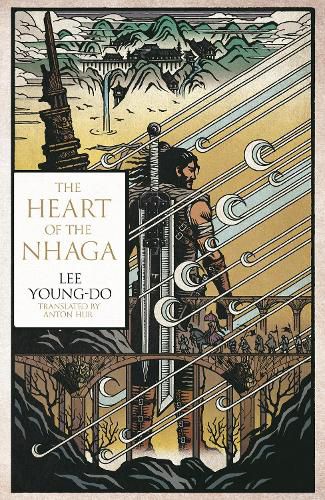
The Heart of the Nhaga
In The Heart of the Nhaga, the first volume of Lee Young-do’s celebrated epic fantasy series The Bird That Drinks Tears, four distinct peoples inhabit a world divided by the mysterious Line of Limit. To the north live humans, the Tokkebi, who wield fire as both a weapon and an illusion, and the Rekon, powerful birdlike warriors. To the south dwell the Nhaga, reptilian beings who surrender their hearts in exchange for immortality.
When a Nhaga is sent on a mission northward, three companions—one from each northern people—are tasked with ensuring his safe passage. Their journey quickly becomes more complicated than expected: the Tokkebi is a scholar rather than an adventurer, the formidable Rekon fears water, and the human hunts Nhaga for food. When their original charge is murdered and replaced by another Nhaga who still possesses his heart, the group faces an even more dangerous expedition.
As the unlikely companions struggle to survive, they must confront their prejudices and discover the true purpose of their mission. Combining imaginative world-building, political intrigue, humor, and philosophical questions about identity and mortality, Lee creates an epic fantasy that draws on Korean cultural influences while exploring universal themes of difference, cooperation, and belonging.
South Korea
2026
2
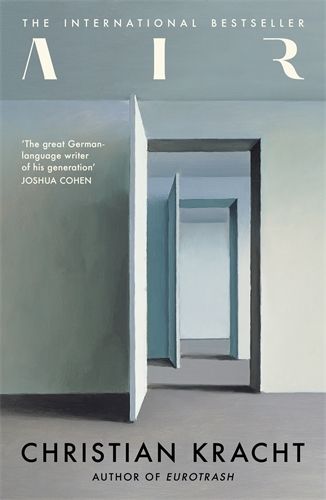
Air
In a remote Scottish town on the Orkney Islands, Paul, a Swiss interior designer, lives a quiet, carefully ordered life devoted to aesthetics and precision. His routine is disrupted when he receives an unusual commission from a prestigious design magazine: he must travel to Norway to paint a vast data centre in the perfect shade of white. But the journey takes an unexpected turn, and Paul mysteriously disappears from his familiar reality. Elsewhere, in a strange, myth-haunted world, a young girl named Ildr discovers an injured stranger whom she initially mistakes for an animal. As she helps him recover, the two embark on a dangerous journey through an unfamiliar landscape, pursued by the soldiers of a ruthless duke. Blurring the boundaries between fantasy, reality, and dreams, Christian Kracht’s enigmatic novel explores the fragility of modern civilisation and the possibility of escaping its constraints. With precise, atmospheric prose, Air invites readers into a world where time, identity, and existence itself become uncertain.
Switzerland
2026
3
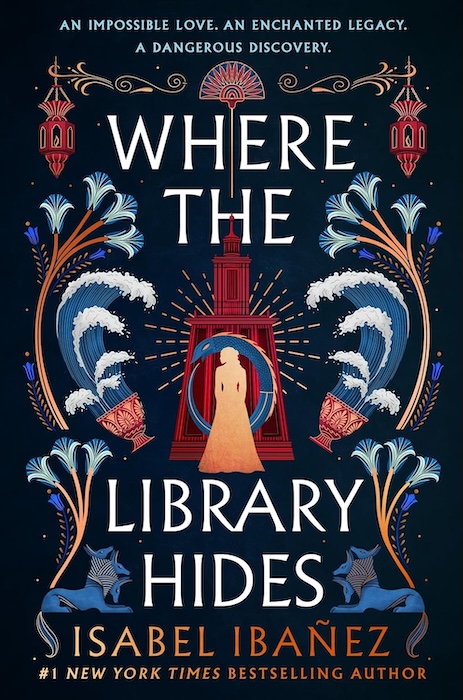
Where the Library Hides
In this sequel to What the River Knows, Inez Olivera continues to navigate the dangerous world she encountered in Egypt. Still reeling from betrayal and the murder of her cousin Elvira, Inez faces new threats involving her inheritance, her family’s secrets, and the mysterious forces surrounding her investigation. Her uncle presents her with an ultimatum that could determine her future: marriage to Whitford Hayes, a former British soldier whose true intentions remain uncertain. Although their relationship is marked by distrust and unresolved attraction, the two must confront the dangers surrounding them. Set against the atmosphere of nineteenth-century Egypt, the novel combines historical adventure, romance, and supernatural mystery. Inez must decide whom she can trust as she seeks answers and fights to retain control over her own destiny.
Egypt
2024
4
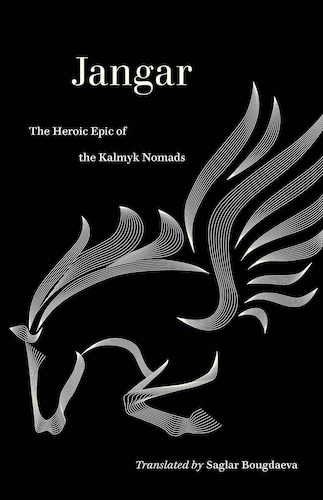
Jangar: The Heroic Epic of the Kalmyk Nomads
For centuries, the Kalmyk people of the Eurasian steppe have preserved Jangar, a magnificent heroic epic celebrating courage, loyalty, and the survival of their nomadic culture. At its centre is Jangar, the legendary ruler of Bumba, a mythical land of abundance and harmony where seventy kingdoms unite under his leadership. Surrounded by extraordinary warriors, Jangar defends his homeland against formidable enemies, monstrous giants, and rival rulers. His companions undertake daring quests, rescue captives, defeat powerful adversaries, and demonstrate remarkable feats of strength and bravery. Blending fantastical adventures with lyrical descriptions of horses, feasts, battles, and the steppe landscape, the epic reflects the ideals and aspirations of the Kalmyk people. Preserved through generations of oral performance by traditional storytellers, Jangar also bears witness to a culture that has endured conquest, displacement, and political repression. Saglar Bougdaeva’s English translation introduces international readers to this remarkable literary heritage, restoring a largely overlooked masterpiece of Eurasian oral literature to the world.
Russia
2023
5
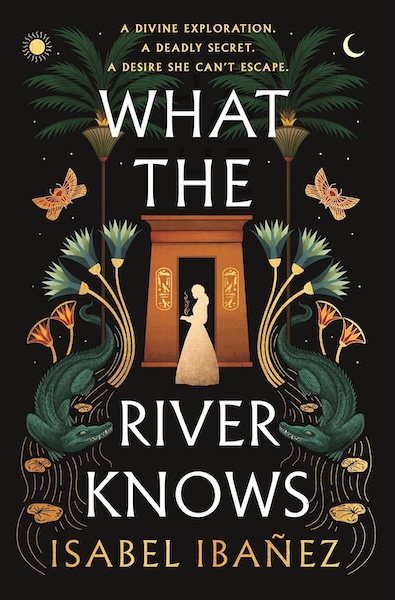
What the River Knows
Set in Egypt in 1884, What the River Knows follows nineteen-year-old Inez Olivera, a young woman from a wealthy Argentine family whose life changes after the mysterious deaths of her parents. Determined to discover what happened to them, Inez travels to Egypt, where she encounters political intrigue, dangerous secrets, and a world far removed from the privileged life she has known. Her investigation brings her into conflict with Whitford Hayes, an Englishman working for her uncle, whose guarded behaviour makes it difficult to determine whether he is an ally or an adversary. As Inez uncovers clues about her parents’ past, she becomes entangled in a mystery involving ancient Egyptian history and dangerous magic. Blending historical fantasy, romance, and suspense, the novel explores independence, trust, and the risks of pursuing the truth.
Egypt
2023
6
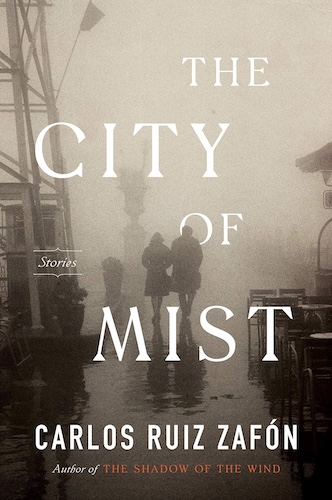
The City of Mist: Stories
In The City of Mist, Carlos Ruiz Zafón returns to the shadowy, enchanting Barcelona of his celebrated Cemetery of Forgotten Books series. This posthumous collection brings together eleven stories filled with mysterious characters, forgotten histories, supernatural encounters, and the irresistible magic of literature. Some stories expand the universe of Zafón’s bestselling novels, while others explore new corners of his richly imagined world.
A young boy discovers that writing can win the attention of the girl he loves. A labyrinth maker escapes plague-stricken Constantinople to build a library designed to withstand the destruction of time. Miguel de Cervantes encounters a mysterious stranger who offers him an extraordinary literary bargain, while the celebrated architect Antoni Gaudí embarks on a journey to New York that could determine the fate of one of his greatest creations.
Throughout the collection, Zafón blends Gothic mystery, historical imagination, dark humour, and a profound love of books. His stories transform cities into labyrinths of secrets and libraries into places where the past remains alive. Both a celebration of storytelling and a farewell to one of Spain’s most beloved modern novelists, The City of Mist invites readers to lose themselves once more in a world where every book conceals another mystery.
Spain
2020
7
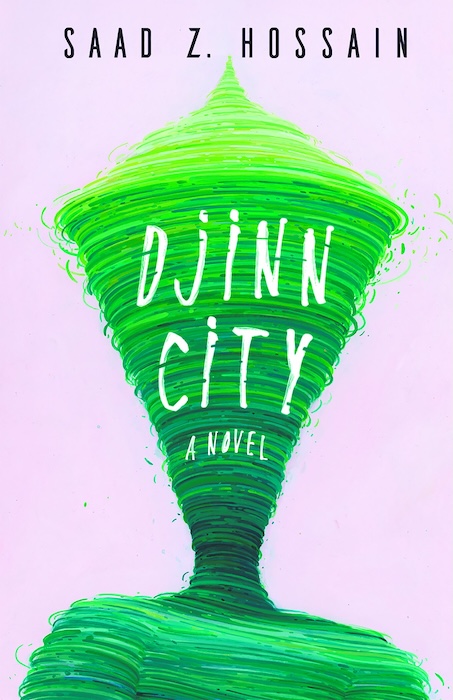
Djinn City
Djinn City is a darkly comic fantasy novel set in Dhaka, Bangladesh, where ancient supernatural forces exist alongside the chaos of modern urban life. The story follows ten-year-old Indelbed, a lonely boy living in a decaying mansion with his eccentric father, Dr. Kaikobad. When his father falls into a mysterious supernatural coma, Indelbed discovers that his family has a secret connection to the world of djinn—powerful, long-lived beings drawn from Islamic and Middle Eastern mythology.
With the help of his older cousin Rais, Indelbed uncovers the truth about his origins and learns that he has become the target of a dangerous hunt. His journey draws him into the complicated politics of the djinn world, where ancient rivalries, strange creatures, and powerful factions threaten both humans and supernatural beings.
Blending fantasy, science fiction, mythology, and sharp social satire, Hossain creates an imaginative adventure that explores family, power, and the consequences of ancient conflicts. The novel also offers a distinctive portrayal of Bangladesh, using its vibrant capital as the setting for a world where the extraordinary hides beneath the everyday.
Bangladesh
2017
8
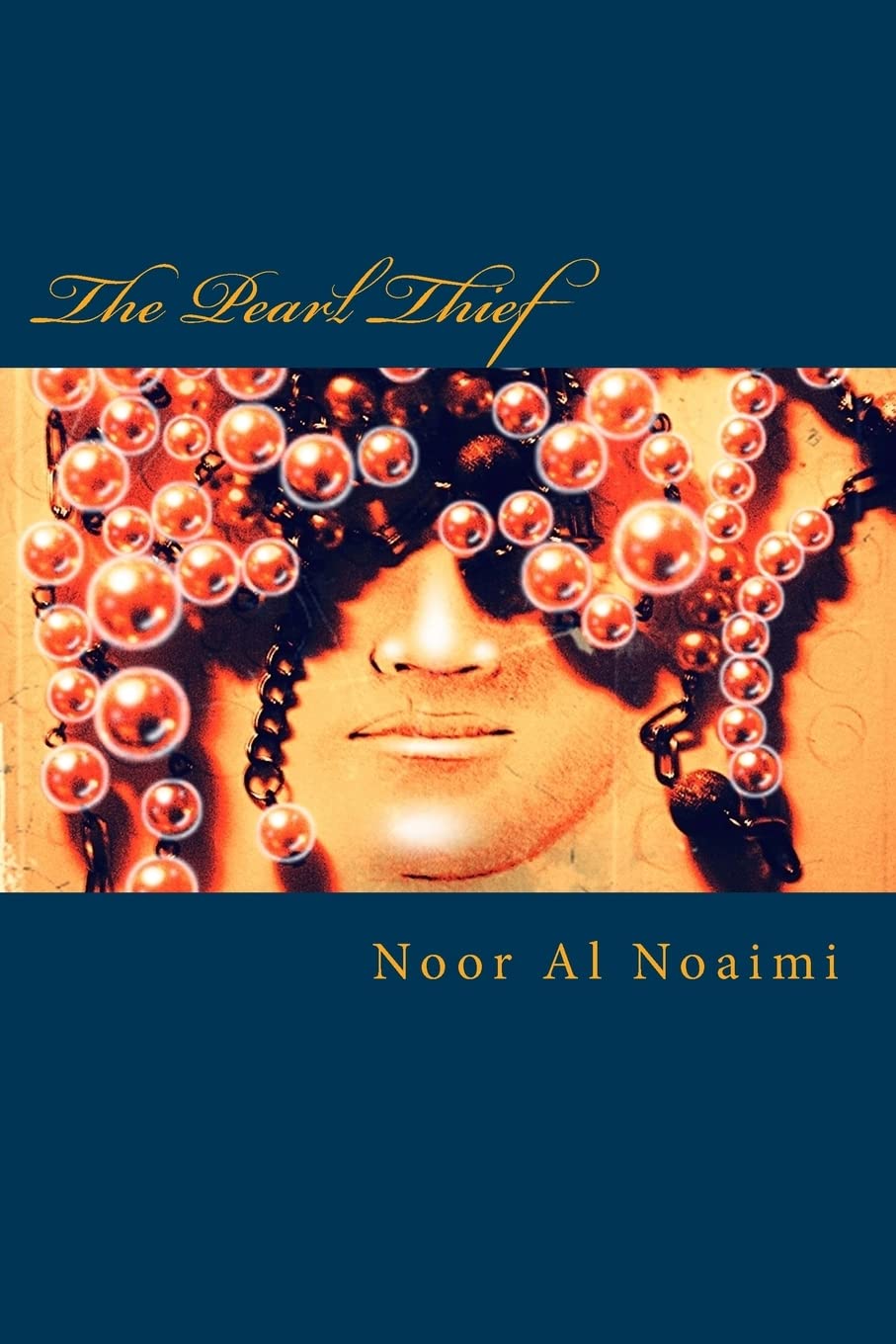
Pearl Thief
The Pearl Thief is a short story about Hassan, a poor Bahraini islander determined to improve his family’s circumstances. Struggling to care for his ageing parents, he considers an extraordinary undertaking: joining a pearl-diving expedition despite being unable to swim. The dangerous world of traditional pearl diving offers the possibility of escaping poverty, but it also demands courage and exposes participants to serious risks. Hassan must confront his fears and question whether determination alone can overcome the limitations imposed by his circumstances. Through his journey, Noor Al Noaimi evokes Bahrain’s historical relationship with the sea and the pearl trade, once central to the livelihoods of coastal communities. The story explores economic hardship, family responsibility, and the desire to change one’s destiny in a society where opportunity is often determined by birth and social position.
Bahrain
2015
9
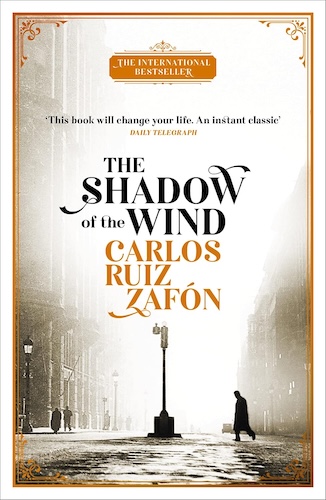
The Shadow of the Wind
Set in post-war Barcelona, The Shadow of the Wind begins when a young boy named Daniel Sempere discovers a forgotten novel by an obscure author, Julián Carax. Fascinated by the book, Daniel sets out to learn more about its creator, only to discover that someone has been systematically destroying every copy of Carax’s work. His investigation leads him into a web of hidden identities, tragic romances, family secrets, and the lingering wounds of Spain’s turbulent past. As Daniel grows older, the mystery becomes increasingly connected to his own life. Blending Gothic atmosphere, historical fiction, and suspense, Zafón celebrates the power of books while exploring how stories can preserve forgotten lives and reveal truths that others desperately want to conceal.
Spain
2001
10
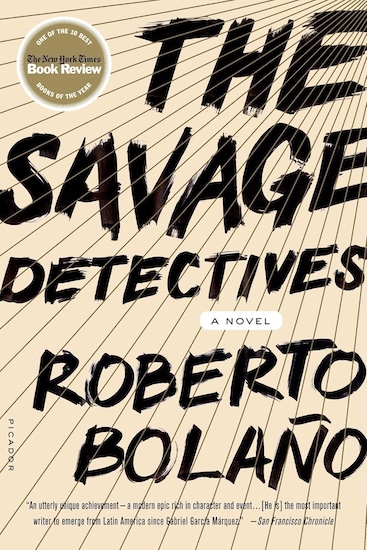
The Savage Detectives
The Savage Detectives follows two rebellious young poets, Arturo Belano and Ulises Lima, who become central figures in a loosely organised literary movement in Mexico City during the 1970s. The story begins through the diary of a teenage aspiring poet, García Madero, who becomes involved with their circle before joining them on a journey into the Mexican desert in search of a forgotten female poet. The novel then expands across decades and continents through the testimonies of people who encountered Belano and Lima, gradually assembling a fragmented portrait of their lives. Blending literary adventure, political history, and reflections on artistic ambition, Bolaño explores the restless search for meaning and the difficulty of sustaining youthful ideals. The novel celebrates literature’s rebellious spirit while revealing the loneliness and uncertainty that can accompany a life devoted to art.
Chile
1998
11
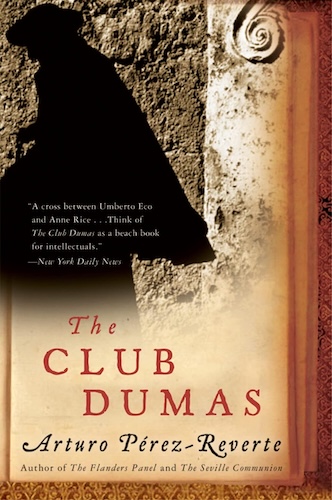
The Club Dumas
Lucas Corso is a cynical, resourceful book detective who makes his living tracking down rare editions for wealthy collectors. When he is hired to authenticate a manuscript believed to be a chapter from Alexandre Dumas’s The Three Musketeers, he finds himself drawn into a mystery involving a suspicious death, literary forgery, and a secret society of Dumas enthusiasts. But another assignment soon takes him into even darker territory: a wealthy collector wants him to verify a rare book entitled The Nine Doors of the Kingdom of Shadows, a mysterious volume said to contain instructions for summoning the Devil.
As Corso travels between Madrid, Toledo, and Paris, he encounters obsessive bibliophiles, enigmatic women, and individuals whose fascination with forbidden knowledge borders on madness. The two investigations begin to intertwine, blurring the boundaries between literary scholarship and the occult. With every clue, Corso becomes less certain about whom he can trust—or whether the dangers surrounding him are entirely human.
Combining intellectual mystery, Gothic suspense, and a playful exploration of literary history, Pérez-Reverte creates a thrilling tribute to the power of books and the obsessions they inspire. The Club Dumas asks whether rare books are merely objects to possess or gateways to worlds that might be better left unexplored.
Spain
1996
12
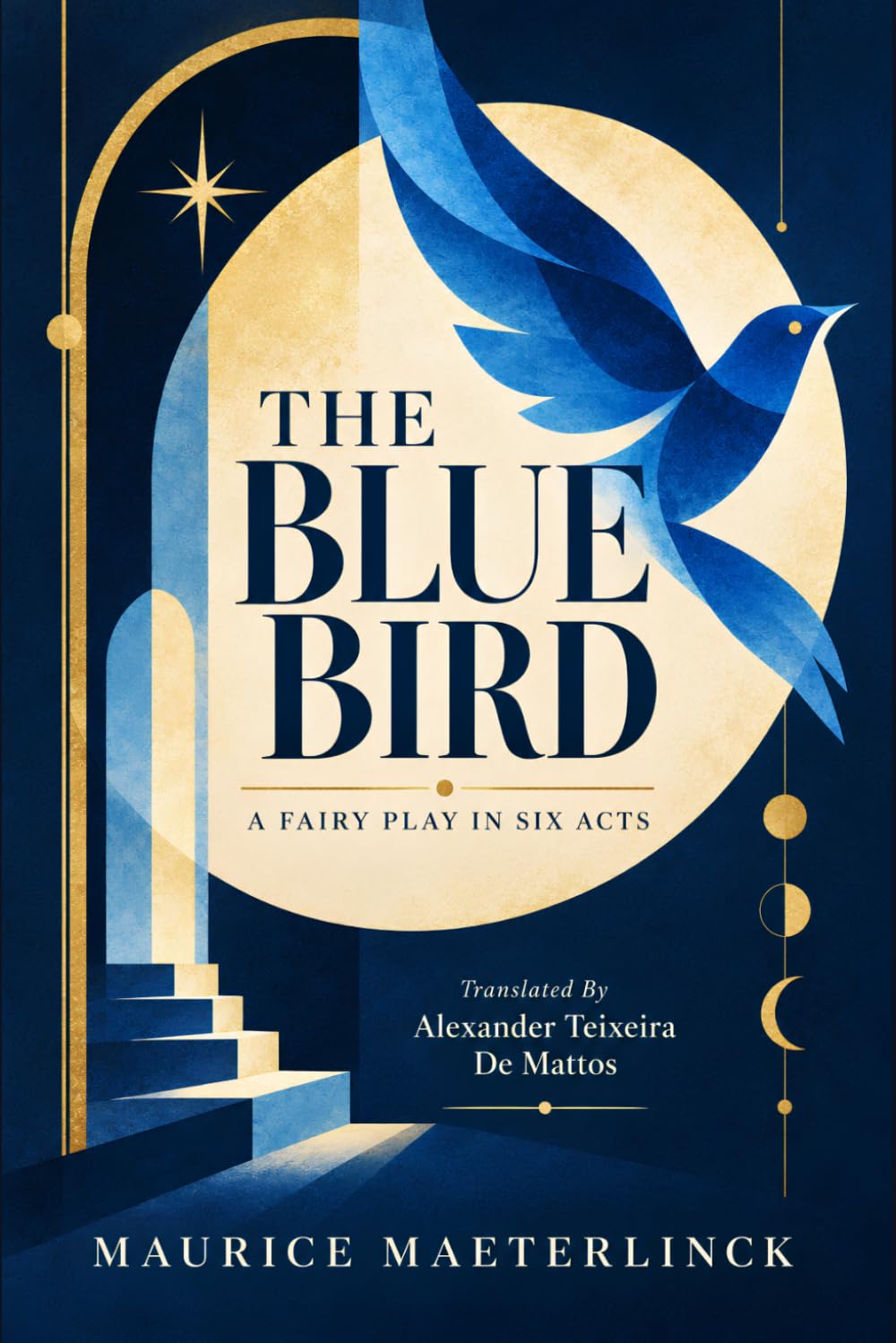
Blue Bird
The Blue Bird is a philosophical fairy play that follows two children, Tyltyl and Mytyl, who embark on a magical journey in search of the mysterious Blue Bird of Happiness. Guided by a fairy, they travel through enchanted kingdoms and extraordinary landscapes, accompanied by personified versions of everyday objects and animals. Along the way, they visit the Land of Memory, the Palace of Night, and the Kingdom of the Future, encountering spirits, dreams, and visions that challenge their understanding of the world.
As the children explore these fantastical places, they discover that happiness may be connected to things they have overlooked in their ordinary lives. Through its blend of fantasy, symbolism, and philosophical reflection, Maeterlinck’s play examines the nature of happiness, the power of imagination, and the relationship between life and death. Rather than presenting happiness as a distant treasure, the story suggests that its meaning often becomes clear only when people learn to appreciate what they already have.
Belgium
1908
About this theme
- Books
- 15
- Countries
- 11