Short Stories
All countries
Argentina
Armenia
Austria
Benin
Bhutan
Bosnia and Herzegovina
Bulgaria
Croatia
Denmark
Ethiopia
Finland
Hungary
Iceland
India
Ireland
Jamaica
Japan
Jordan
Kazakhstan
Kenya
Kuwait
Nigeria
Norway
Pakistan
Palestine
Romania
Rwanda
Singapore
Taiwan
Türkiye
Turkmenistan
Uganda
Ukraine
United Kingdom
United States
1
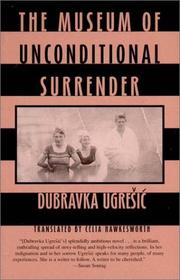
The Museum of Unconditional Surrender
The Museum of Unconditional Surrender explores exile, memory, and the fragmented experience of living after the breakup of Yugoslavia. Its unnamed narrator, a writer living in Berlin, moves through a world of photographs, objects, recollections, and encounters that evoke a lost homeland. Ordinary details—a family photograph, a recipe, a personal possession—become fragments through which she attempts to reconstruct a life disrupted by political upheaval and displacement. Rather than following a conventional plot, the novel unfolds as a series of reflections that mirror the instability of memory itself. Ugrešić examines how exile transforms a person’s relationship with language, history, and belonging, particularly when the country that once provided a sense of identity no longer exists in the same form. The novel portrays the difficulty of preserving a coherent self when personal memories are inseparable from a fractured collective past.
Croatia
1996
2
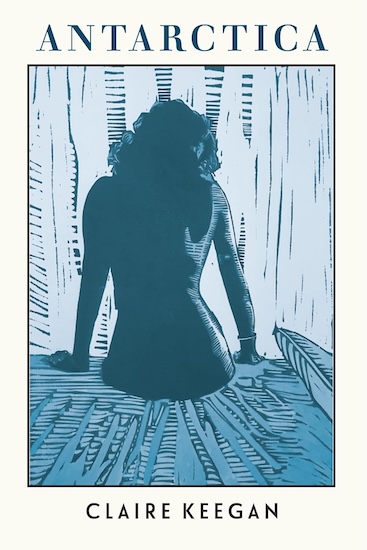
Antarctica
In her debut short-story collection, Claire Keegan examines the fragile boundaries between desire, loyalty, and betrayal. The opening story follows a married woman who travels away from home to discover what it might feel like to sleep with another man. Other stories introduce characters whose lives are unsettled by obsession, revenge, loneliness, and the sudden return of people from their past. A missing child, a long-awaited meeting between former lovers, and the uneasy dynamics within families reveal how quickly familiar worlds can become strange.
Moving between Ireland and the United States, these stories capture people at moments when their private desires collide with the expectations of others. Keegan writes with striking precision, balancing compassion with an unsparing eye for human weakness. Her characters are neither entirely innocent nor entirely cruel; instead, they inhabit the complicated territory between longing and consequence. Antarctica announced Keegan as a distinctive literary voice, exploring the unsettling truth that even ordinary lives can conceal extraordinary emotional danger.
Ireland
1999
3

I Don't Care
First published in 2005 as C’est égal, I Don’t Care is a collection of short stories by Hungarian-born writer Ágota Kristóf, known for her stark prose and unsettling portrayals of human existence. The stories range from surreal parables to brief, brutally realistic glimpses into ordinary lives marked by loneliness, cruelty, and quiet desperation. Characters struggle with family relationships, alienation, death, and the impossibility of finding a place where they truly belong. Some stories unfold like disturbing fairy tales, while others capture the bleak absurdity of everyday encounters. Beneath their apparent simplicity, Kristóf’s narratives reveal the fragility of human connection and the emotional consequences of displacement. Written with extraordinary economy, the collection leaves much unsaid, allowing silences and omissions to become as meaningful as the words themselves. I Don’t Care offers a haunting portrait of people caught between the desire to escape their circumstances and the inability to find refuge elsewhere. Exile, both physical and emotional, runs throughout the collection, reflecting the author’s own experience of leaving her homeland and building a life in another language.
Hungary
2005
4
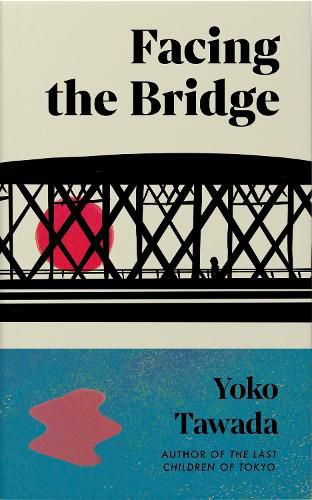
Facing the Bridge
In Facing the Bridge, Yoko Tawada brings together three surreal, interconnected tales that challenge conventional ideas of identity, language, and belonging. Moving between Japan, Germany, Vietnam, and the Canary Islands, these stories follow characters whose lives are shaped by cultural displacement, unexpected encounters, and the strange instability of the world around them.
In one tale, Amo, an African boy kidnapped and brought to Europe, and Tamao, a Japanese exchange student in Germany, inhabit different historical periods yet find themselves pursued by the same mysterious shadow. Another follows Kazuko, a young Japanese woman whose journey to Vietnam begins with a mysterious postcard and develops into an unsettling exploration of identity. In the third, an unnamed translator retreats to the Canary Islands, where her attempt to interpret a text becomes entangled with banana groves, literary references, and strange encounters.
With dreamlike logic, playful language, and unexpected transformations, Tawada blurs the boundaries between cultures, histories, and realities. The collection explores what happens when familiar categories of nationality, language, and selfhood begin to dissolve. Rather than presenting identity as something fixed, these stories suggest that it is continually reshaped through encounters with other people, places, and languages.
Japan
2007
5
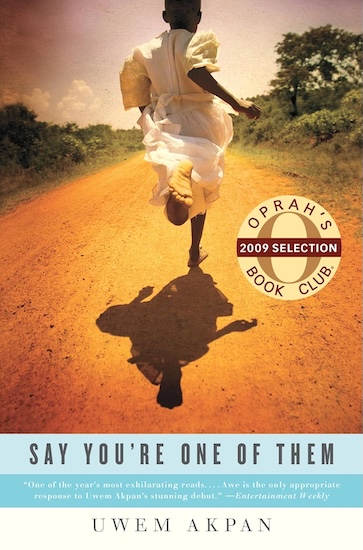
Say You're One of Them
Say You’re One of Them is a collection of five interconnected-in-spirit stories set in different African countries, exploring the lives of children caught in circumstances far beyond their control. Through the eyes of young narrators, Uwem Akpan portrays the devastating effects of poverty, religious conflict, human trafficking, and political violence on families and communities.
Written with emotional intensity and compassion, the collection challenges readers to look beyond headlines and statistics to recognise the individual lives behind Africa’s social and political crises. Rather than reducing its characters to victims, Akpan gives them distinctive voices, relationships, and hopes, creating a powerful portrait of childhood under extreme circumstances.
Benin
Ethiopia
Kenya
Nigeria
Rwanda
2009
6
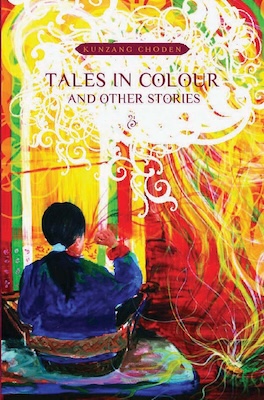
Tales in Colour and Other Stories
Tales in Colour and Other Stories is a collection of short stories exploring the lives, aspirations, and struggles of women in contemporary Bhutan. Set primarily in rural communities, the stories portray women navigating marriage, motherhood, family obligations, social expectations, and the gradual transformation of traditional ways of life.
With wit, subtle irony, and compassion, Kunzang Choden examines the tensions between tradition and modernity as urbanisation introduces new possibilities and changes how people understand themselves and their communities. In one story, a young woman discovers the confidence to make decisions independently of her mother; in another, a rural woman is drawn towards the glamour and opportunities associated with city life.
The collection gives voice to women whose experiences are often overlooked, revealing the complexity beneath seemingly ordinary lives. Through intimate portraits of everyday relationships and personal choices, Choden offers a nuanced perspective on Bhutanese society, particularly the changing roles and expectations of women.
Bhutan
2009
7
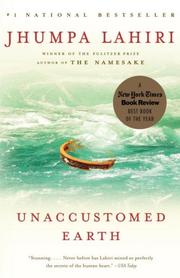
Unaccustomed Earth
Unaccustomed Earth is a collection of eight stories examining the experiences of Bengali families living in the United States and the complex relationships between generations. The first section focuses on individuals negotiating marriage, parenthood, grief, and cultural expectations as they attempt to build lives far from their ancestral homeland. The final three stories follow Hema and Kaushik, two Bengali Americans whose lives intersect during childhood and again in adulthood, revealing how family decisions and personal losses shape their futures. Lahiri explores the tensions between parental expectations and individual freedom, particularly as younger generations grow up with different ideas about identity, love, and belonging. Through subtle portrayals of everyday life, the collection reveals how family bonds can offer both security and constraint, and how people carry the influence of their upbringing long after they believe they have moved beyond it.
India
2009
8
Four Minutes
Four Minutes explores the lives of people who exist on the margins of society in post-communist Bulgaria, focusing on loneliness, trauma, and the struggle to be seen and understood. At its centre is Leah, a woman who grew up in an orphanage marked by neglect and abuse. Now in her thirties, she continues to grapple with the wounds of her childhood while trying to build a meaningful life. When she volunteers at an orphanage, she forms a bond with Dara, a nine-year-old girl who has stopped speaking following her father’s murder. Leah hopes to adopt her, but prejudice and bureaucracy stand in her way.
Interwoven with Leah’s story are nine shorter portraits of other marginalised people, including Roma women and children, refugees, and survivors of abuse. Each section is designed to be read in approximately four minutes, reflecting the idea that a brief moment of genuine attention can foster empathy. Through these interconnected stories, Nataliya Deleva examines abandonment, exclusion, and the human need for connection, asking what it takes to truly see another person.
Bulgaria
2017
9
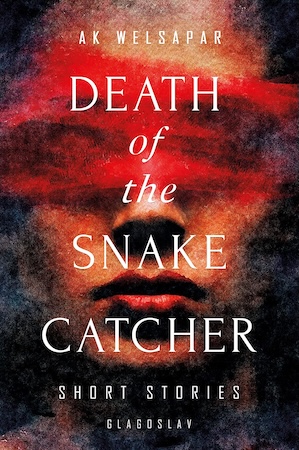
Death of the Snake Catcher
Set against the stark beauty of Central Asia, Death of the Snake Catcher is a collection of short stories by Turkmen writer Ak Welsapar, blending magical realism, folklore, political commentary, and intimate portraits of human life. The title story follows an elderly snake catcher who confronts a giant cobra in the heart of the desert. Their encounter becomes a symbolic dialogue about humanity’s relationship with the natural world, exploring the uneasy balance between fear, power, vulnerability, and survival. Elsewhere in the collection, Welsapar depicts lovers separated by political divisions, young people confronting injustice, and ordinary individuals navigating a world shaped by repression and uncertainty. His stories move between the mythical and the everyday, revealing the emotional richness of Turkmen culture while exposing the pressures faced by people living under authoritarian rule. Drawing on vivid landscapes and expressive storytelling, Welsapar portrays characters who endure hardship with remarkable resilience and optimism. The collection offers an unusual literary window into a country whose culture and experiences remain relatively unfamiliar to many international readers.
Turkmenistan
2018
10
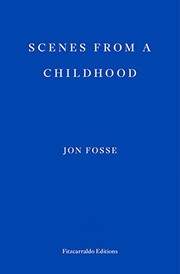
Scenes from a Childhood
Scenes from a Childhood brings together a series of short prose pieces by Norwegian writer Jon Fosse, offering glimpses into the memories, experiences, and inner life of a boy growing up in rural Norway. Through seemingly ordinary moments—family encounters, childhood fears, religious experiences, and observations of the surrounding landscape—Fosse reveals how early experiences shape a person’s understanding of the world.
Written in his characteristic minimalist style, the collection relies on repetition, silence, and subtle shifts in perspective rather than conventional storytelling. Memories appear fragmented and sometimes dreamlike, reflecting the uncertain nature of recollection and the persistence of childhood emotions into adulthood. Beneath the quiet surface, the stories explore family relationships, loneliness, spirituality, and the tension between belonging and isolation. Fosse transforms small, everyday events into moments of profound significance, suggesting that the foundations of identity are often formed through experiences that seem insignificant at the time but remain with us long after childhood has passed.
Norway
2018
11
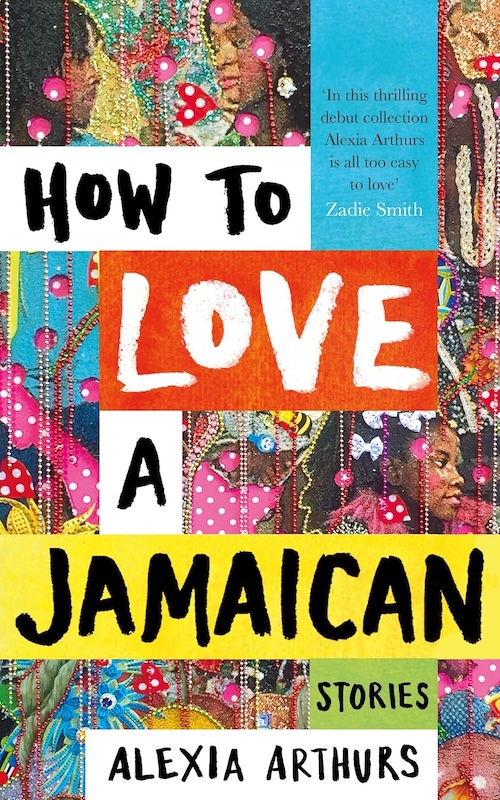
How to Love a Jamaican
How to Love a Jamaican is a collection of short stories exploring love, family, migration, and the complexities of Jamaican identity. Moving between Jamaica and the Jamaican diaspora in the United States, Alexia Arthurs portrays characters navigating the tensions between cultural heritage and the desire for a different life. Her stories follow young people confronting sexuality and social expectations, immigrants struggling to belong in unfamiliar places, and families negotiating the emotional distance created by migration. Through intimate relationships and everyday encounters, Arthurs examines how race, class, religion, and national identity shape the ways people understand themselves and one another. Blending humor, tenderness, and emotional honesty, the collection offers a nuanced portrait of Jamaican life across borders, revealing the complicated meanings of home, belonging, and love.
Jamaica
2018
12
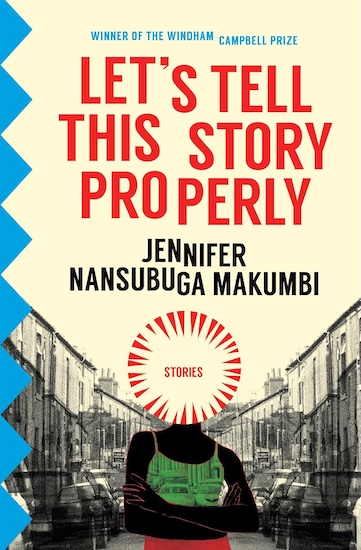
Let's Tell This Story Properly
In Let’s Tell This Story Properly, Jennifer Nansubuga Makumbi explores the experiences of Ugandans living in Britain, examining how migration reshapes identity, family relationships, and the meaning of home. Across a collection of interconnected stories, her characters navigate the challenges of building lives in a country where they may be highly visible as workers and neighbours yet remain socially marginalised. From airport security staff to healthcare workers and families divided between continents, the stories reveal the everyday realities of belonging to more than one place.
The title story follows Nnam, a Ugandan woman living in Manchester, who returns to Uganda with her husband’s body for his funeral rites. There, she discovers that the life she thought she understood concealed painful secrets. Other stories explore the difficult adjustment of immigrants, generational tensions within diaspora families, and the ways cultural expectations persist across distance. Characters often find themselves caught between the home they left and the new home they are trying to make, never feeling entirely at ease in either.
With emotional depth, sharp observation, and occasional dark humour, Makumbi portrays migration as more than a geographical journey. It is also a process of renegotiating family loyalties, cultural identity, and personal history. The collection asks how far people must travel to find belonging—and what happens when the meaning of home changes while they are away.
Uganda
United Kingdom
2019