Political Writing
1
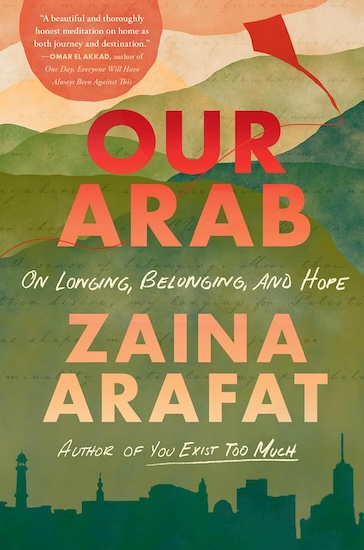
Our Arab
What does it mean to belong to a homeland you may never fully know? In this moving collection of essays, Palestinian-American writer Zaina Arafat explores the complexities of diaspora, inherited memory, and the longing for home. Moving between Nablus, Amman, the Appalachian Mountains, and Manhattan, she weaves together her family’s history, her experiences of identity and motherhood, and the pain of watching Palestine from afar. With tenderness, anger, and sharp insight, Arafat examines what it means to preserve a culture across generations while confronting displacement, erasure, and the shifting meaning of belonging. Our Arab is both an intimate family portrait and a powerful meditation on what it means to be Palestinian today.
Palestine
United States
2026
2
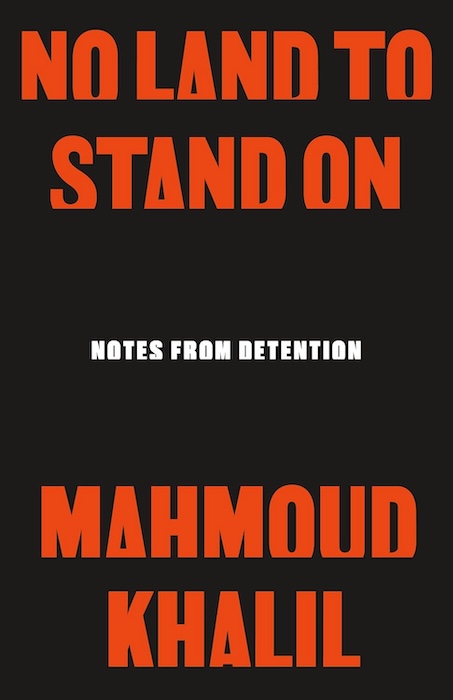
No Land to Stand On: Notes from Detention
In this powerful memoir, Palestinian activist Mahmoud Khalil recounts his detention by U.S. Immigration and Customs Enforcement (ICE) in March 2025 and the fight against his threatened deportation. A Columbia University graduate student and legal permanent resident, Khalil became a prominent voice in student protests against the war in Gaza. His arrest separated him from his pregnant wife and home in New York, transporting him to a detention facility in Louisiana, where he faced uncertainty about his future and the possibility of being forcibly removed from the country.
Drawing on the diary he kept during his imprisonment, Khalil describes the psychological toll of detention, the precarious lives of fellow detainees, and the unexpected solidarity that develops among people deprived of their freedom. He also traces his family’s history of displacement—from Palestine to a refugee camp in Syria—and his own journey through Lebanon to the United States. Combining personal testimony with political reflection, this memoir examines exile, belonging, and the consequences of speaking out against injustice. It asks what freedom and security truly mean when a person’s right to remain at home can be challenged for exercising their right to protest.
Palestine
United States
2026
3
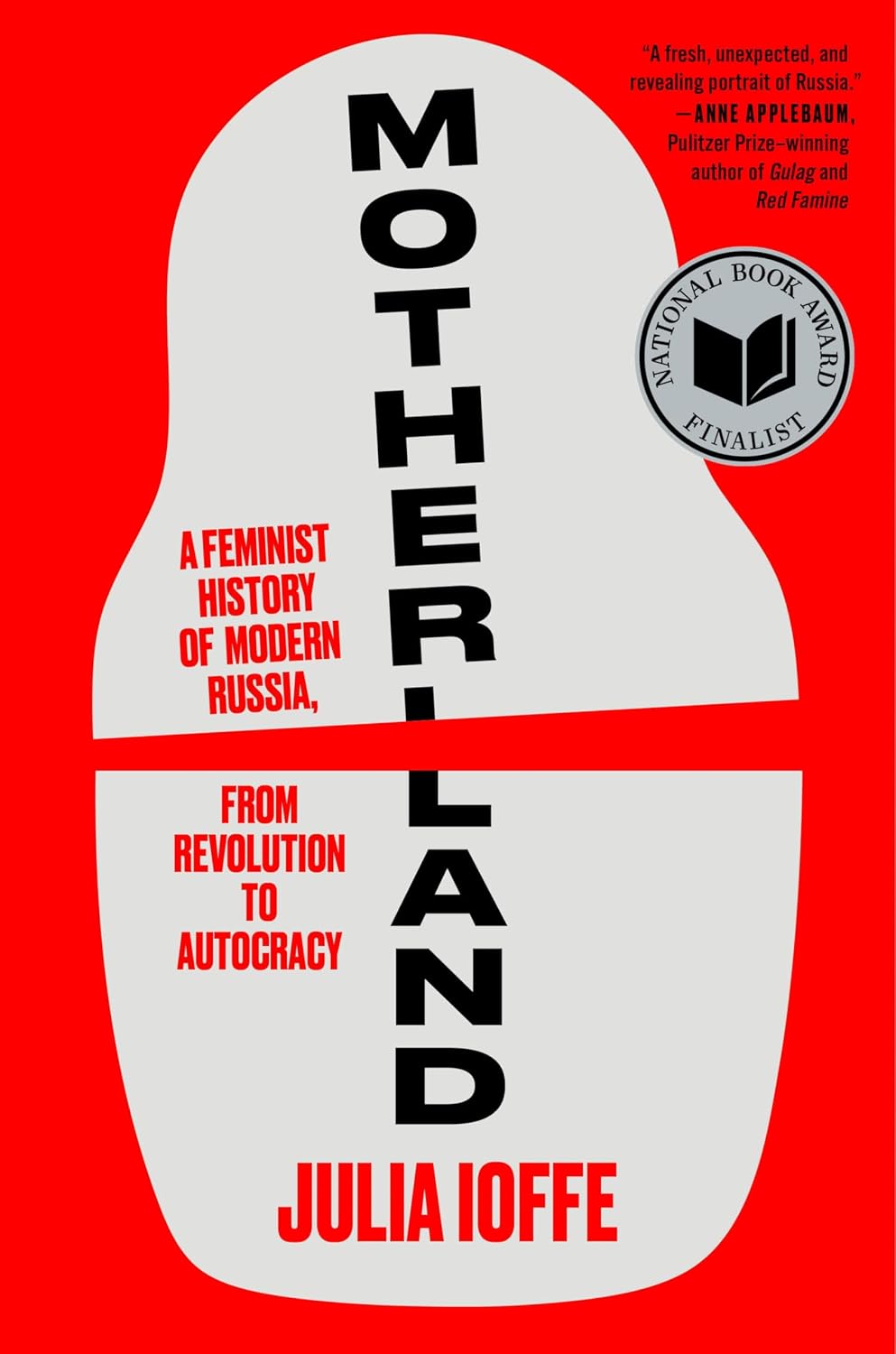
Motherland
How did Russia move from presenting itself as a pioneer of women’s emancipation to embracing conservative values and authoritarian rule? In Motherland, journalist Julia Ioffe explores modern Russian history through the lives of the women who experienced, shaped, and survived its transformations.
Combining historical research, personal memoir, and investigative journalism, Ioffe traces a century of upheaval, from the revolutionary promises of early Soviet feminism to the hardships of the Second World War and the contradictions of contemporary Russian society. She brings together the stories of her own Jewish-Russian family, feminist revolutionaries, women who fought on the front lines, single mothers who rebuilt their lives after the war, and modern activists challenging political repression.
Rather than telling Russia’s story solely through its male rulers, Ioffe places women’s experiences at the centre of the national narrative. She examines how political ideals shaped women’s opportunities, how successive generations carried the burdens of social change, and how the failure of emancipatory promises contributed to the rise of modern authoritarianism.
A finalist for the 2025 National Book Award for Nonfiction, Motherland offers a compelling exploration of feminism, power, historical memory, and the complicated relationship between personal lives and national identity.
Russia
2025
4
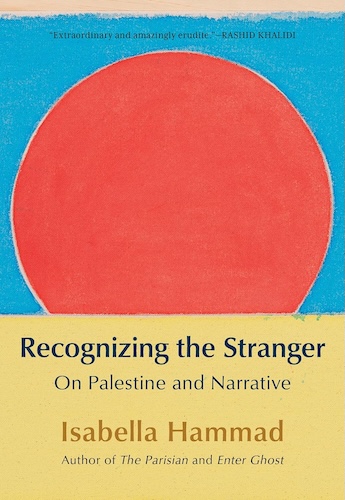
Recognizing the Stranger: On Palestine and Narrative
Who gets to tell a people’s story—and what happens when the world refuses to listen? In this powerful essay, Isabella Hammad examines how narratives shape our understanding of Palestine, political violence, and the struggle for freedom. Drawing on the work of Palestinian intellectual Edward Said, she explores how literature can challenge dominant perspectives, complicate simplistic political narratives, and make space for experiences that are too often overlooked. The book brings together Hammad’s 2023 Edward W. Said Memorial Lecture at Columbia University and a subsequent afterword written in early 2024, reflecting on the war in Gaza and the urgent struggle over how it is represented. A thoughtful meditation on storytelling, power, and moral responsibility, it asks readers to reconsider not only the stories they hear, but also the voices they may have learned not to recognize.
Palestine
2024
5
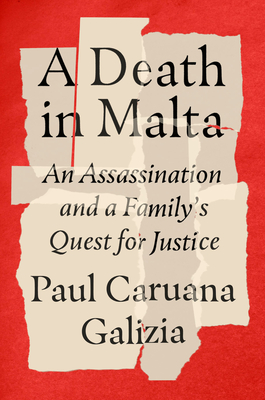
A Death in Malta: An Assassination and a Family's Quest for Justice
In this powerful memoir and work of investigative journalism, Paul Caruana Galizia recounts the assassination of his mother, Daphne Caruana Galizia, a Maltese investigative journalist known for exposing corruption and misconduct among the country’s powerful figures. On 16 October 2017, Daphne was killed by a car bomb near her home, following years of intimidation linked to her work.
Her death transformed her family’s lives. Paul and his brothers, together with their father, embarked on a determined search for the truth, seeking to uncover who was responsible for the murder and who had benefited from silencing their mother. Their pursuit of justice reveals the complex relationships between political power, financial interests, and corruption in Malta.
Combining personal grief with investigative reporting, the book is both a tribute to a courageous journalist and an examination of the challenges facing democracy and press freedom. It explores the cost of speaking truth to power and the determination required to hold powerful institutions accountable.
Malta
2023
6
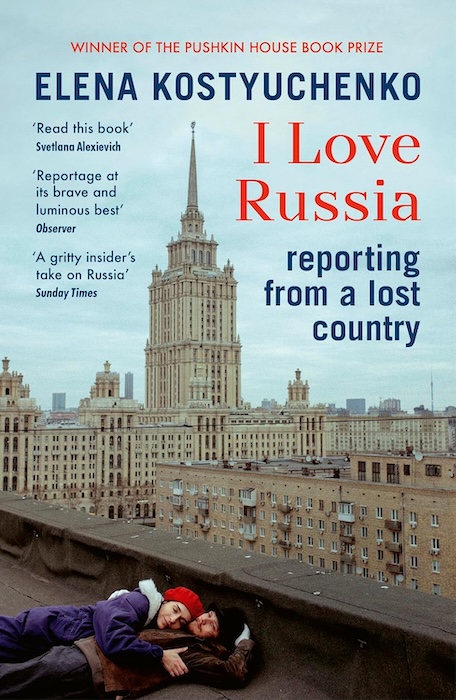
I Love Russia
I Love Russia brings together investigative reporting and personal essays to portray a country through the lives of people often excluded from its official narrative. Journalist Elena Kostyuchenko writes about sex workers, LGBTQ+ people, residents of neglected institutions, and communities affected by violence and political repression. Her reporting also follows the consequences of Russia’s invasion of Ukraine, examining the human realities behind state propaganda and military aggression. Rather than presenting Russia as a single, uniform society, Kostyuchenko reveals its contradictions through the experiences of individuals whose stories challenge dominant political narratives. The book explores the complicated relationship between love for one’s country and the responsibility to criticise its government, presenting journalism as an act of witnessing, resistance, and moral commitment.
Russia
2023
7
What Have You Left Behind?
What Have You Left Behind? documents the experiences of ordinary Yemenis whose lives have been devastated by the country’s civil war. Writer and journalist Bushra al-Maqtari travelled across Yemen to collect testimonies from civilians affected by violence, displacement, and the destruction of their communities. Rather than focusing on political leaders or military strategy, the book gives space to individuals who have lost family members, homes, livelihoods, and any sense of security. Their accounts reveal the intimate consequences of a conflict often reduced to statistics and geopolitical analysis. By bringing together voices from different parts of the war’s divided landscape, al-Maqtari exposes the human suffering behind competing political narratives. The book explores grief, survival, and the struggle to preserve dignity amid devastation, serving as a powerful record of civilian experiences and a challenge to the international indifference that allows such suffering to continue.
Yemen
2023
8
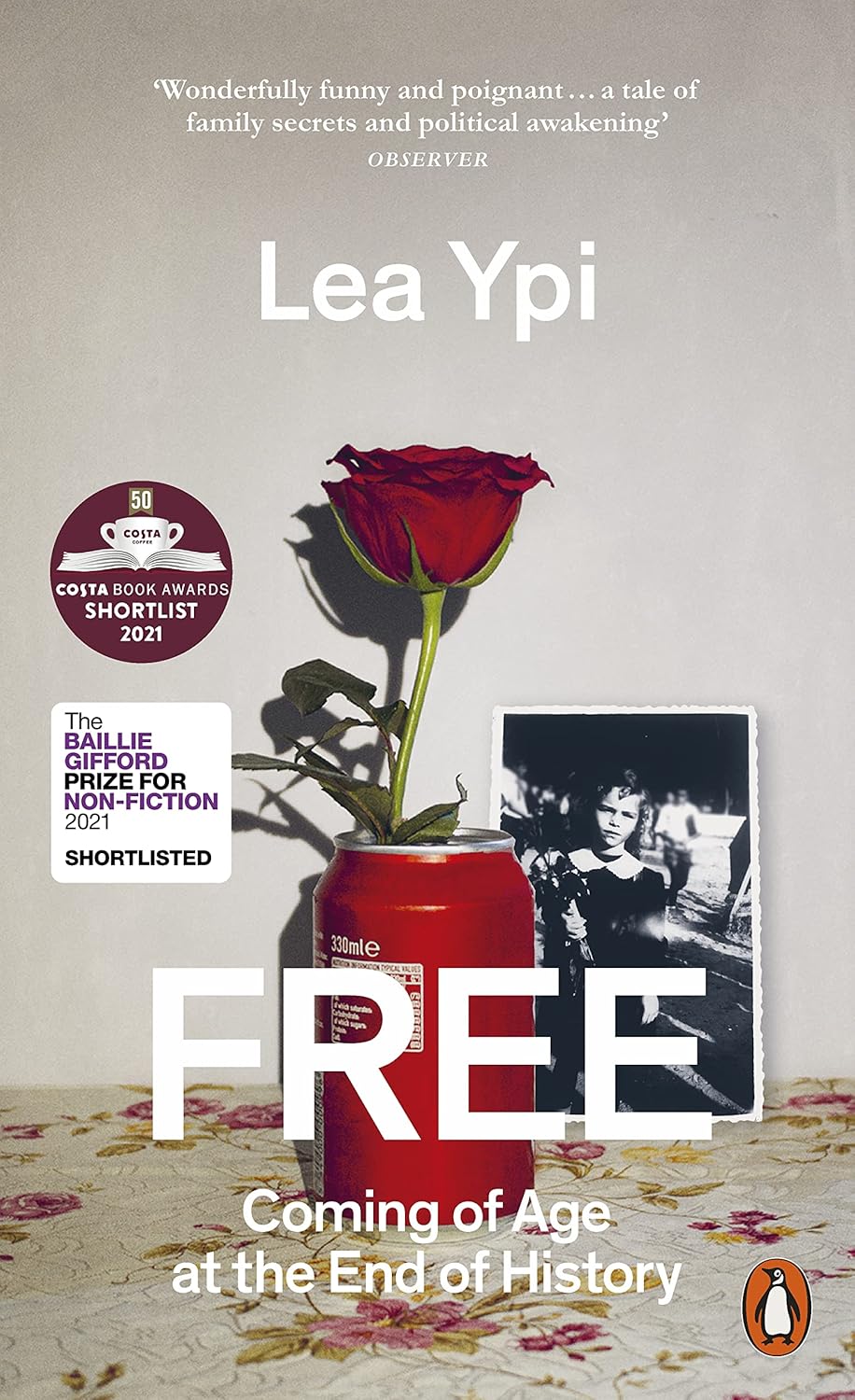
Free
Free is Lea Ypi’s memoir of growing up in Albania during the final years of communist rule and the turbulent transition that followed. As a child, Ypi believes that her country represents a just and orderly society, interpreting its rules through the limited understanding of childhood. When the communist regime collapses, she begins to discover that the official stories she learned at school concealed a far more complicated reality. Her family history also challenges her assumptions about freedom, revealing how political ideologies and historical circumstances shaped the lives of previous generations. Moving between childhood memories and adult reflection, Ypi examines the meaning of liberty, the relationship between individual choices and political systems, and the difficulty of understanding the past without simplifying it. The memoir offers a nuanced exploration of how people reconstruct their identities when the foundations of their beliefs suddenly disappear.
Albania
2023
9
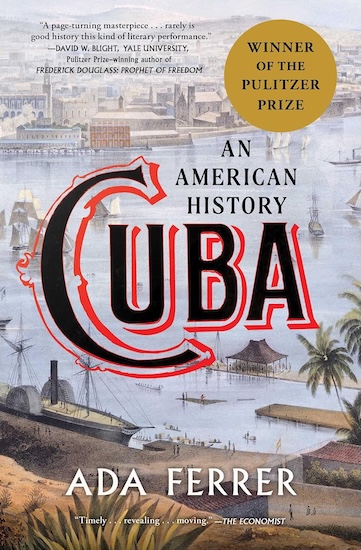
Cuba: An American History
Cuba’s history is inseparable from that of the United States, yet the island’s story is often told through the ambitions of its powerful neighbour. Spanning more than five centuries, Ada Ferrer’s Pulitzer Prize-winning history traces Cuba from Indigenous societies and Spanish colonisation through slavery, independence struggles, revolution, and the Cold War. Bringing together the lives of enslaved people, revolutionaries, ordinary citizens, and political leaders, Ferrer reveals how Cuba shaped American politics just as American intervention transformed Cuba. Richly researched and deeply human, this sweeping account challenges familiar narratives of empire and nationhood, illuminating the complex relationship between two countries whose histories remain profoundly intertwined.
Cuba
2022
10
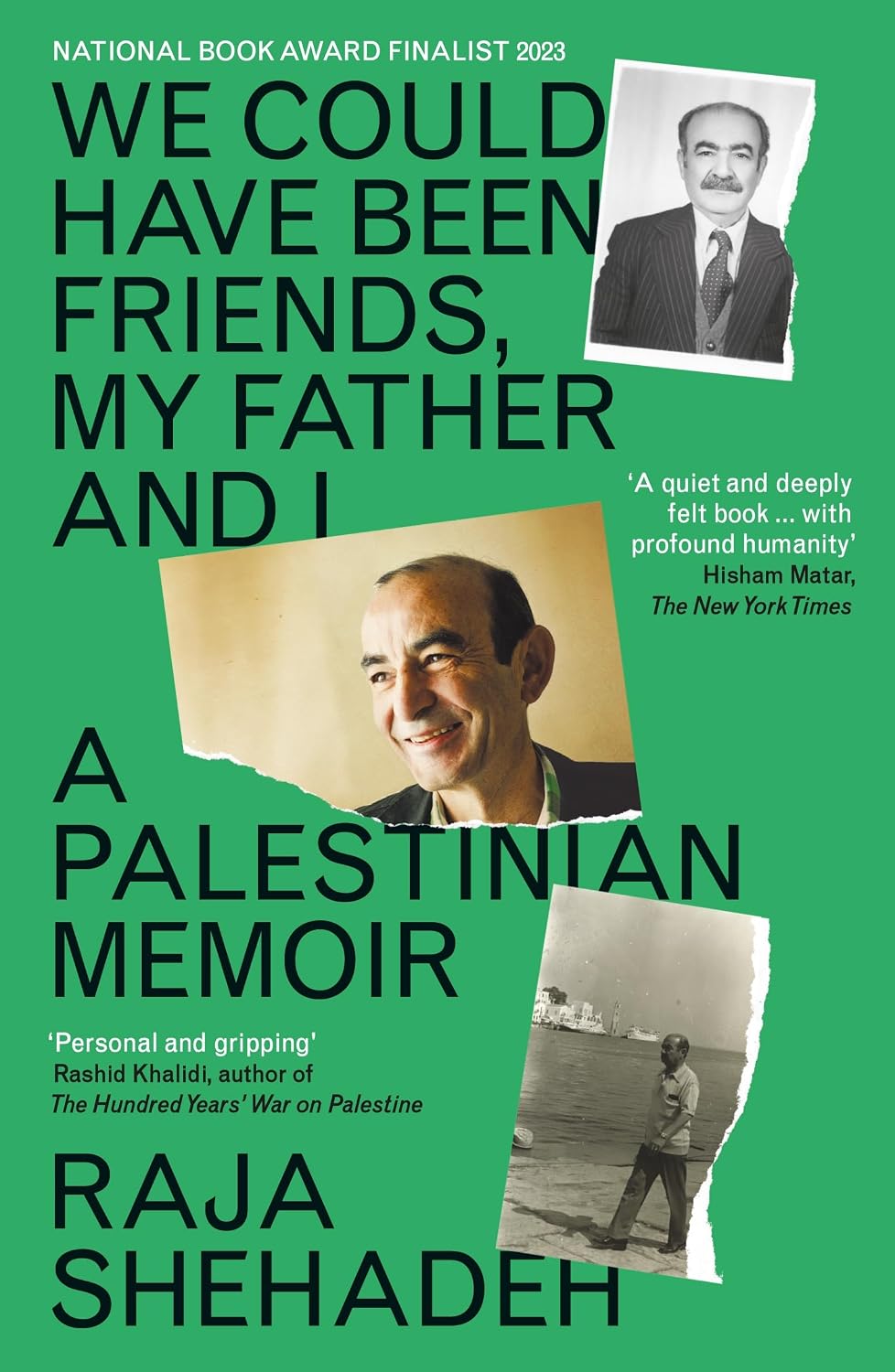
We Could Have Been Friends, My Father and I
In We Could Have Been Friends, My Father and I, Palestinian writer and human rights lawyer Raja Shehadeh reflects on his complex relationship with his father, Aziz Shehadeh, a prominent lawyer and advocate for Palestinian rights. Through personal memories, family history, and historical research, Raja reconstructs his father’s life and examines the political convictions that shaped their relationship. Aziz believed in pursuing justice through legal means and sought peaceful solutions to the Palestinian struggle, while his son developed his own understanding of resistance, identity, and belonging. Their differences often created emotional distance, leaving unspoken feelings and misunderstandings between them. Against the backdrop of British rule, the creation of Israel, and the continuing transformation of Palestinian society, Shehadeh explores how political conflict enters even the most intimate family relationships. The memoir is both a tribute to his father and an attempt to understand him more fully, asking whether shared experiences and renewed understanding can bridge the distance between generations. It offers a deeply personal meditation on family, history, reconciliation, and the possibility of connection despite profound differences.
Palestine
2022
11
Lost Children Archive
Lost Children Archive follows a family of four on a road trip from New York to the American Southwest. The parents, both documentarians, are working on separate projects: the father is recording the sounds of disappearing Apache communities, while the mother is researching the stories of migrant children who have crossed the US–Mexico border alone. As they travel through the vast American landscape, their professional interests begin to shape the family’s conversations and expose growing tensions in their marriage.
Through the perspectives of the mother and, later, her young son, the novel explores the distance between adults and children, the limits of storytelling, and the moral responsibility of witnessing other people’s suffering. The family’s journey becomes intertwined with the experiences of two migrant children whose fate remains uncertain. Blending documentary fragments, photographs, maps, and literary references, Valeria Luiselli examines migration, displacement, and the ways families preserve or lose their histories. The novel asks how we can listen to stories of suffering without reducing them to distant headlines.
Mexico
2020
12
The Ungrateful Refugee
In The Ungrateful Refugee, Iranian-born writer Dina Nayeri combines her own story of displacement with the experiences of refugees and asylum seekers navigating unfamiliar countries and complicated immigration systems. At the age of eight, Nayeri fled Iran with her mother and brother after her mother converted to Christianity and faced persecution. The family spent time in a refugee camp in Italy before eventually receiving asylum in the United States.
Drawing on these experiences, Nayeri examines the emotional and psychological costs of leaving one’s homeland, rebuilding a life, and trying to belong in a new society. She also shares the stories of other displaced people, revealing the difficult choices they face when seeking protection and the pressure to prove that their suffering is genuine.
At the heart of the book is a challenge to the expectation that refugees must demonstrate constant gratitude to the countries that accept them. Nayeri questions the idea of the “good refugee” who assimilates without complaint, arguing that displaced people should not have to erase their identities or experiences to deserve safety and dignity.
Iran
2019