Philosophy
1

Medusa's Laugh
What if women could reclaim their freedom simply by telling their own stories? First published in 1975, Hélène Cixous’s Medusa’s Laugh is a landmark of feminist thought that challenges the patriarchal traditions shaping literature, language, and society. Drawing on the myth of Medusa, a woman transformed into a monster by the stories told about her, Cixous invites women to reject the identities imposed on them and rediscover their own voices. She introduces the concept of écriture féminine—a form of writing that breaks away from conventional, male-dominated structures and embraces the complexity of women’s bodies, desires, and experiences. Passionate, poetic, and deliberately provocative, this essay is both a literary manifesto and a call to action: women must write themselves into history rather than allow others to define them. Its central message remains powerful: self-expression can be an act of liberation.
France
2026
2
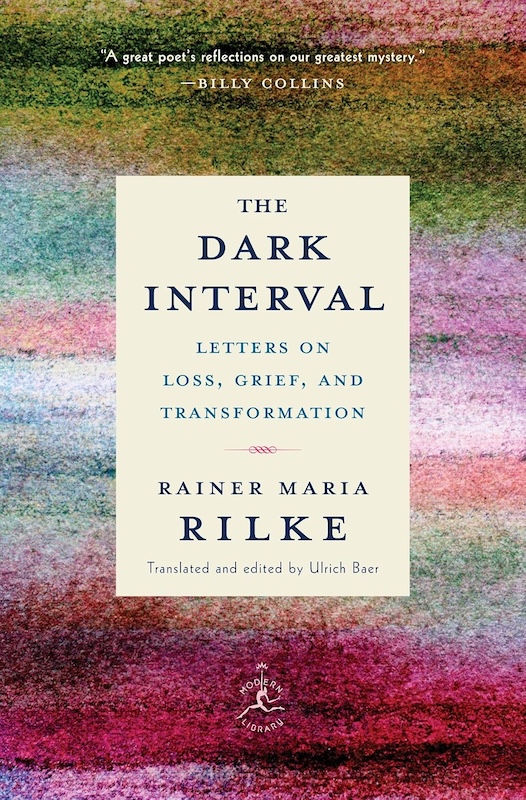
The Dark Interval
Gleaned from Rainer Maria Rilke's voluminous, never-before-translated letters to bereaved friends and acquaintances, The Dark Interval is a profound vision of the mourning process and a meditation on death's place in our lives. Following the format of Letters to a Young Poet, this book arranges Rilke's letters into an uninterrupted sequence, showcasing the full range of the great author's thoughts on death and dying, as well as his sensitive and moving expressions of consolation and condolence. Presented with care and authority by master translator Ulrich Baer, The Dark Interval is a literary treasure, an indispensable resource for anyone searching for solace, comfort, and meaning in a time of grief.
Austria
2018
3
The Festival of Insignificance
The Festival of Insignificance is a playful, philosophical novel in which Milan Kundera explores the absurdity of human existence through the conversations and encounters of four friends in Paris. Alain, Ramón, Charles, and Caliban navigate everyday life while reflecting on vanity, ageing, politics, and the seemingly trivial details that shape human relationships. Their discussions range from the meaning of the human navel to Stalin’s peculiar anecdotes, blending absurd humour with reflections on history, mortality, and the performance of identity. Rather than following a conventional plot, the novel unfolds as a series of interconnected episodes that question humanity’s tendency to assign excessive importance to personal grievances, ambitions, and public events. Kundera suggests that recognising the insignificance underlying much of human life can become a source of freedom, allowing people to approach the world with greater lightness and less resentment. Through irony and philosophical wit, the novel offers a meditation on the fragile boundary between the meaningful and the trivial, inviting readers to reconsider what truly deserves their attention.
Czech Republic
2014
4
The Passion According to G.H.
In The Passion According to G.H., a wealthy sculptor in Rio de Janeiro experiences a profound existential crisis after entering her former maid’s room and encountering a cockroach. What begins as an ordinary domestic moment transforms into a disturbing confrontation with her identity, humanity, and understanding of existence. Through an intense stream of consciousness, Clarice Lispector explores the boundaries between self and other, human and animal, and the sacred and the material. As G.H.’s familiar sense of self begins to dissolve, she confronts the unsettling possibility that true understanding requires abandoning the illusions that define human identity. The novel is a challenging philosophical exploration of consciousness, transformation, and the search for meaning beyond conventional beliefs.
Brazil
2012
5
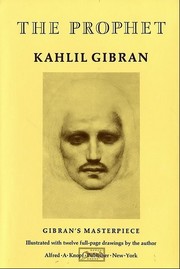
The Prophet
The Prophet is a book of 26 poetic essays written in English in 1923 by the Lebanese-American artist, philosopher and writer Khalil Gibran. In the book, the prophet Almustafa who has lived in the foreign city of Orphalese for 12 years is about to board a ship which will carry him home. He is stopped by a group of people, with whom he discusses many issues of life and the human condition. The book is divided into chapters dealing with love, marriage, children, giving, eating and drinking, work, joy and sorrow, houses, clothes, buying and selling, crime and punishment, laws, freedom, reason and passion, pain, self-knowledge, teaching, friendship, talking, time, good and evil, prayer, pleasure, beauty, religion, and death.
Lebanon
2007
6
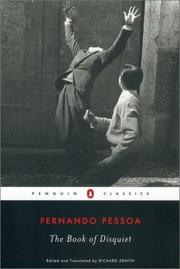
The Book of Disquiet
The Book of Disquiet is a fragmentary, deeply introspective work attributed to Bernardo Soares, an assistant bookkeeper living a quiet, unremarkable life in Lisbon. Through a series of diary-like reflections, philosophical meditations, and poetic observations, Soares examines his inner world, revealing a profound sense of alienation from society and an ongoing struggle to understand his own existence. Ordinary experiences, from walking through Lisbon’s streets to sitting at his desk, become starting points for reflections on dreams, identity, time, and the distance between the self and the world.
Rather than following a conventional narrative, Fernando Pessoa’s work unfolds as an intimate record of consciousness, capturing the contradictions and uncertainties of being human. The narrator finds both refuge and imprisonment in his imagination, often preferring the richness of dreams to the demands of reality. Blurring the boundaries between autobiography, fiction, and philosophy, The Book of Disquiet is a haunting meditation on loneliness, the fragmented nature of identity, and the quiet beauty of an uneventful life.
Note: Although Pessoa began writing the fragments decades earlier, the book was first published posthumously in Portuguese in 1982.
Portugal
1982
7
The Fall
In a dim Amsterdam bar, Jean-Baptiste Clamence, a former Parisian lawyer, begins an extraordinary confession to a stranger. Once admired for his charm, generosity, and defence of the innocent, he enjoyed a life built on the conviction that he was a good man. But one night, while crossing a Parisian bridge, he hears a woman fall into the river—and does nothing to save her. The memory follows him, gradually dismantling his carefully constructed image of himself.
Now living in Amsterdam, Clamence calls himself a judge-penitent: a man who confesses his own sins while exposing the hypocrisy of others. Through his unsettling monologue, Camus examines guilt, moral responsibility, vanity, and humanity’s need to feel innocent. As Clamence reveals more about himself, readers are drawn into an uncomfortable question: are we truly capable of judging others without confronting our own failures?
Darkly ironic and psychologically penetrating, The Fall is a philosophical exploration of the distance between who we believe ourselves to be and who we really are. Camus transforms one man’s confession into a searching indictment of modern society, challenging readers to examine their own motives, silences, and moral compromises.
France
1956
8
The Plague
The Plague takes place in the Algerian city of Oran, where an outbreak of bubonic plague gradually isolates the population from the outside world. Dr Bernard Rieux and other residents struggle to respond to the epidemic as deaths increase and everyday life becomes dominated by fear, separation, and uncertainty. As the city is placed under quarantine, its inhabitants react in different ways: some retreat into denial, others seek personal comfort, and many discover unexpected courage through acts of solidarity. Camus uses the epidemic to examine the human response to suffering and the moral responsibilities people have towards one another. Written in the aftermath of the Second World War, the novel is also widely read as an allegory of fascism and resistance. It explores collective responsibility, resilience, and the importance of fighting injustice even when victory remains uncertain.
France
1947
9
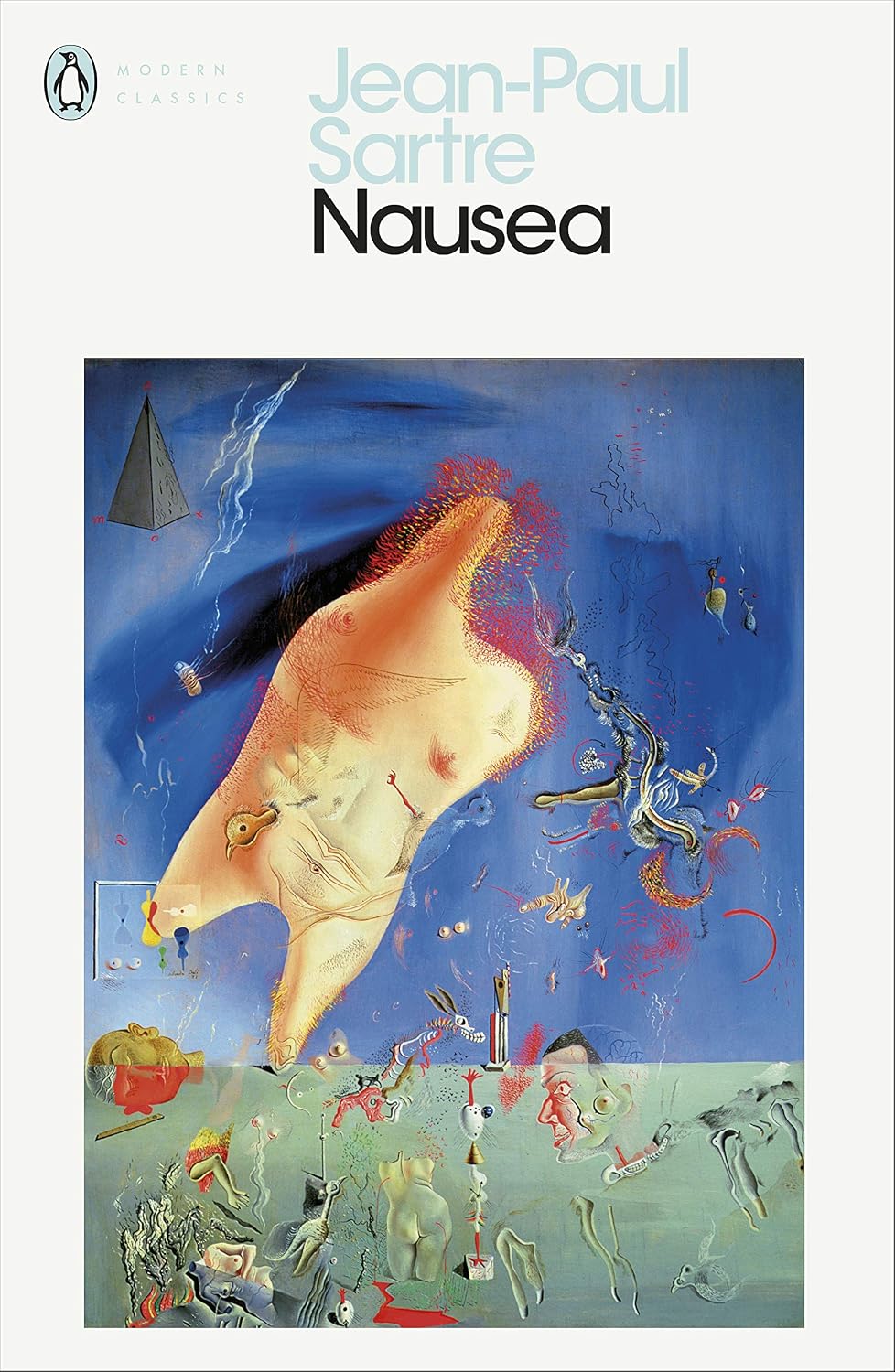
Nausea
A fascinating existentialist novel, written in the form of a journal, about a historian who moves to a small port in northern France to research a biography he is intending to write. Whilst there his senses become dulled and he becomes increasingly disgusted by his own existence, finding no solace with friends or a woman he begins an affair with.
France
1938
10
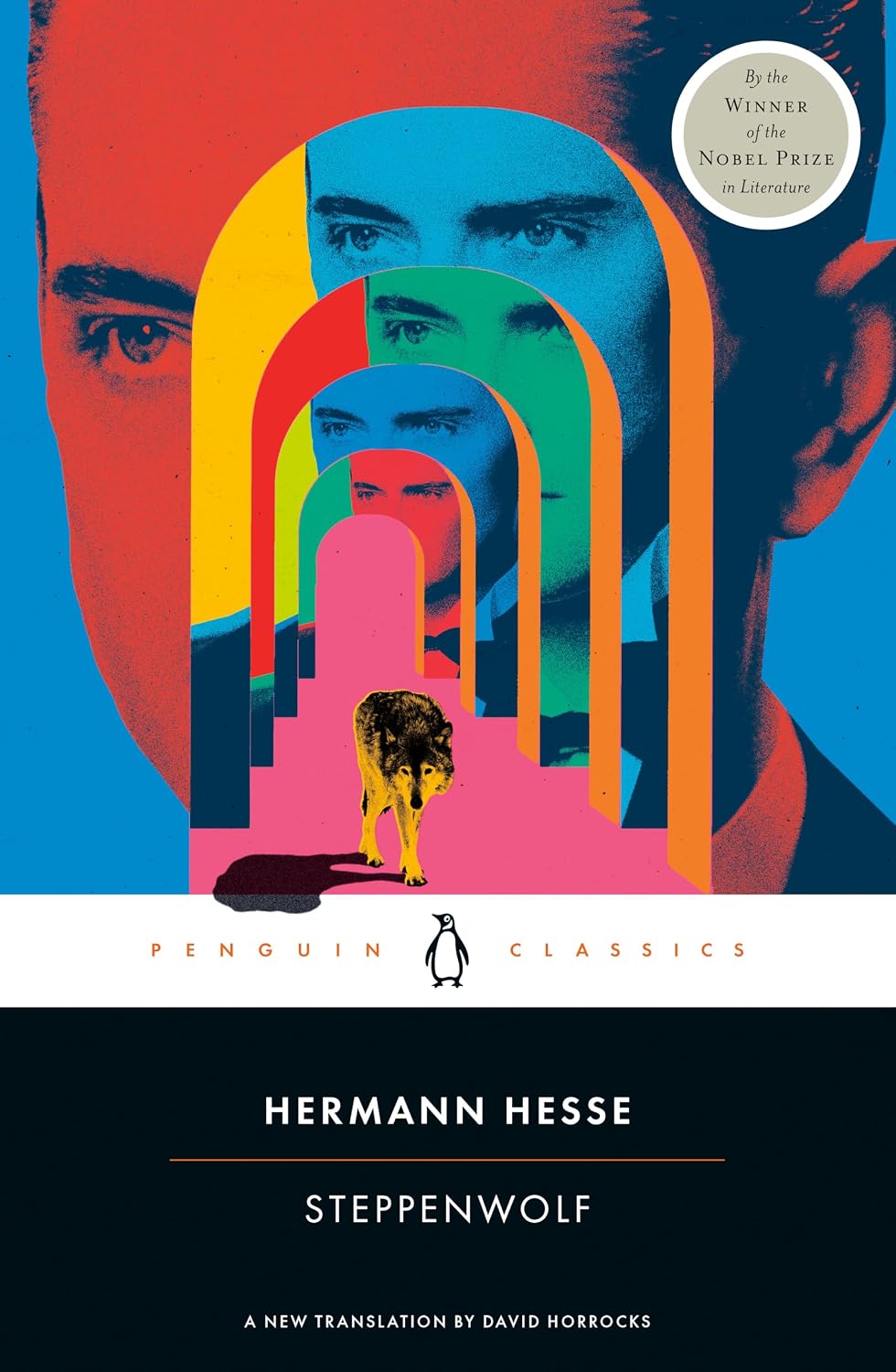
Steppenwolf
Steppenwolf follows Harry Haller, a middle-aged intellectual who feels profoundly alienated from bourgeois society and believes himself divided between two opposing natures: the civilised human being and the solitary wolf. Disillusioned with conventional life, Harry becomes increasingly withdrawn and struggles with thoughts of despair. His encounter with Hermine, a lively and unconventional woman, introduces him to new experiences, including music, dancing, and forms of pleasure he has long rejected. Through these encounters, he begins to question his rigid understanding of identity and the assumption that human beings can be divided into simple opposing parts. Hesse blends psychological exploration with surreal and philosophical episodes to examine loneliness, social conformity, and the possibility of personal transformation. The novel asks whether people can learn to embrace the contradictions within themselves rather than remain imprisoned by a fixed image of who they are.
Germany
1927
11
The Castle
The Castle follows a man known as K., who arrives in a remote village claiming to have been hired as a land surveyor by the authorities of a mysterious castle. However, the villagers question his appointment, and K. soon discovers that gaining access to the institution is far more difficult than he imagined. He attempts to establish his legitimacy through conversations with officials, messengers, and residents, but every encounter produces new obstacles and contradictory explanations. The castle remains physically visible yet effectively unreachable, representing an authority that governs people’s lives without making itself accountable. Kafka explores bureaucracy, exclusion, and the human desire for recognition and belonging. The unfinished novel portrays a world where rules seem endlessly complex and acceptance is perpetually deferred, capturing the frustration of individuals attempting to find meaning within systems that resist understanding.
Czech Republic
1926
12
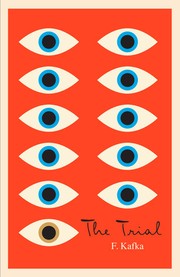
The Trial
The Trial follows Josef K., a bank employee who is unexpectedly arrested one morning without being told what crime he has committed. Although he is allowed to continue his daily life, he becomes increasingly consumed by a mysterious legal process governed by inaccessible authorities and incomprehensible rules. As he attempts to defend himself, he encounters officials, lawyers, and other individuals who offer little clarity about the accusations against him. His efforts to understand the system only deepen his sense of helplessness. Published after Kafka’s death, the novel presents a disturbing vision of a world in which individuals are trapped within institutions they cannot comprehend or challenge. Kafka explores guilt, bureaucracy, power, and alienation, revealing how uncertainty itself can become a form of oppression. Josef K.’s struggle captures the anxiety of confronting an authority that demands obedience while refusing to explain its actions.
Czech Republic
1925