Mythology
1
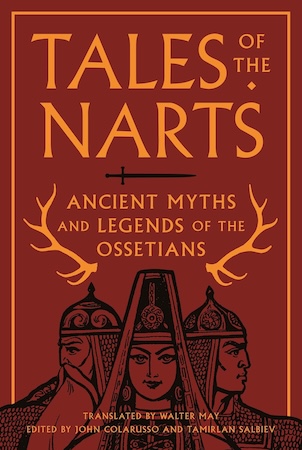
Tales of the Narts: Ancient Myths and Legends of the Ossetians
The Nart sagas are among the great mythological traditions of the Caucasus, preserving the stories, beliefs, and cultural memory of the Ossetian people. In Tales of the Narts, scholars John Colarusso and Tamirlan Salbiev bring together a rich collection of legends featuring the Narts, a mythical race of formidable warriors whose world is filled with heroic feats, supernatural encounters, fierce rivalries, and complicated family relationships.
These stories introduce memorable heroes and heroines, powerful adversaries, giants, monsters, and ancient gods. Although the Narts are celebrated for their courage and strength, they are also capable of jealousy, cruelty, and destructive ambition. Their adventures explore honor, fate, loyalty, conflict, and the consequences of human choices. Rooted in centuries of oral storytelling, the collection offers a window into the cultural heritage of the North Caucasus while revealing intriguing parallels with Greek, Norse, and other ancient mythologies. It is an important introduction to a distinctive literary tradition that has shaped the region’s collective imagination.
Russia
2016
2
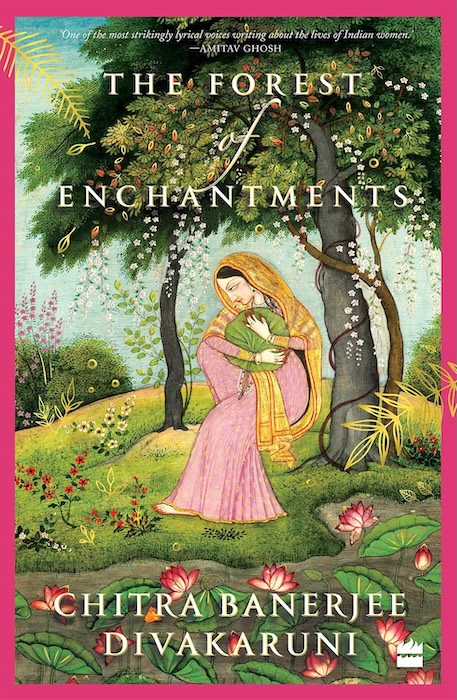
Forest of Enchantments
The Forest of Enchantments reimagines the ancient Indian epic Ramayana through the perspective of Sita, the heroine whose experiences have often been overshadowed by those of the male characters. From her early life and marriage to Prince Rama to their exile in the forest, Sita’s story unfolds as a journey marked by love, sacrifice, and difficult choices. After she is abducted by the demon king Ravana and eventually reunited with Rama, she faces further trials that challenge her dignity and independence. Divakaruni also brings attention to other women in the epic, including Kaikeyi, Surpanakha, and Mandodari, exploring the complicated motivations behind their actions. By giving these women their own voices, the novel questions traditional ideas about duty, honour, and obedience. It offers a feminist interpretation of a foundational Indian epic, examining women’s autonomy and their struggle to define themselves within a world governed by patriarchal expectations.
India
2019
3
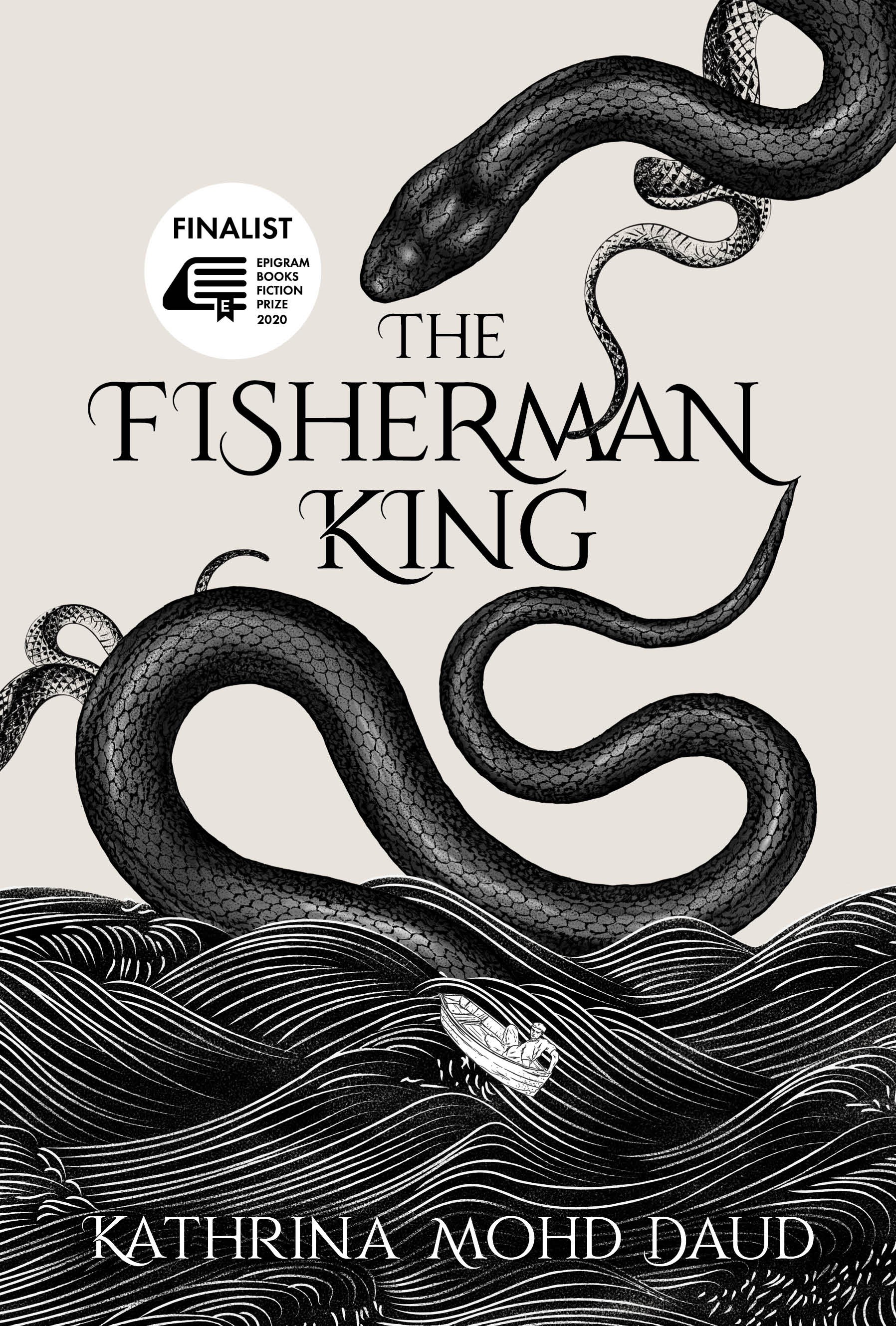
The Fisherman King
Set in Brunei, The Fisherman King blends folklore, fantasy, and national history into a story about ancestry, destiny, and the search for identity. Lisan, a fisherman raised in a traditional water village, has always believed he is descended from Brunei’s royal family. After leaving his wife, Bhatia, and disappearing for eight years, he returns, claiming that he can finally prove his royal lineage.
As Lisan’s mysterious past begins to unravel, the narrative shifts between his present-day quest and events from six centuries earlier, when a forbidden relationship between two royal children set in motion a chain of events threatening both a king and a god. The two storylines gradually converge, revealing connections between personal ambition, historical memory, and the fate of the kingdom.
Drawing on Bruneian folklore and maritime traditions, Daud creates an atmospheric tale of magic, sacrifice, and buried secrets. Beneath its fantastical elements, the novel explores the desire to understand one’s origins and the consequences of pursuing an inheritance that may come at a profound personal cost.
Brunei
2020