Mystery
All countries
Afghanistan
Argentina
Canada
China
Croatia
Egypt
Fiji
France
Germany
Ghana
Greece
India
Iraq
Italy
Jamaica
Japan
Libya
Luxembourg
Nigeria
Pakistan
Poland
Romania
Russia
South Korea
Spain
Sudan
Türkiye
Ukraine
United Kingdom
United States
1
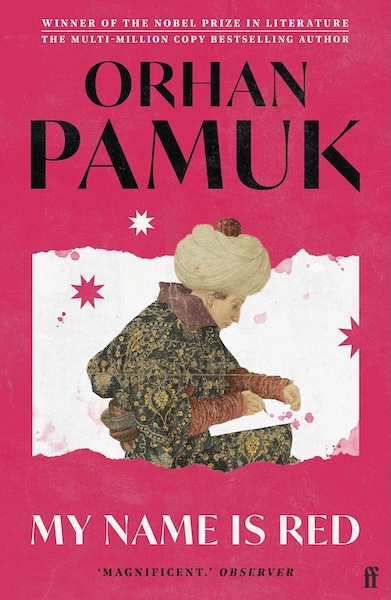
My Name Is Red
Set in sixteenth-century Istanbul during the Ottoman Empire, My Name Is Red follows a group of miniature painters commissioned to create an illustrated book for the sultan. Their work becomes controversial because it incorporates European artistic techniques that challenge traditional Islamic approaches to representation. When one of the artists is murdered, the investigation exposes rivalries, jealousy, and competing ideas about art, religion, and cultural identity. The story unfolds through multiple narrators, including artists, objects, and even a corpse, creating a complex picture of a society caught between established traditions and new influences. Pamuk explores the relationship between artistic expression and political authority, asking whether adopting foreign ideas represents progress or the loss of cultural heritage. The novel combines a murder mystery with a philosophical examination of how people understand themselves through art and tradition.
Türkiye
2002
2
Elena Knows
Elena Knows follows Elena, an elderly woman living with Parkinson’s disease, who refuses to accept the official conclusion that her daughter Rita’s death was a suicide. Determined to discover the truth, Elena undertakes a difficult journey across Buenos Aires, relying on a promise made by a woman from her past. As her physical limitations make each step increasingly challenging, her investigation becomes a confrontation with painful memories and unresolved questions about motherhood, responsibility, and personal freedom. Piñeiro combines the structure of a crime novel with an intimate examination of women’s lives in a society shaped by religious expectations and social judgement. The story challenges assumptions about disability and autonomy while revealing how family relationships can be shaped by obligation, resentment, and love.
Argentina
2007
3
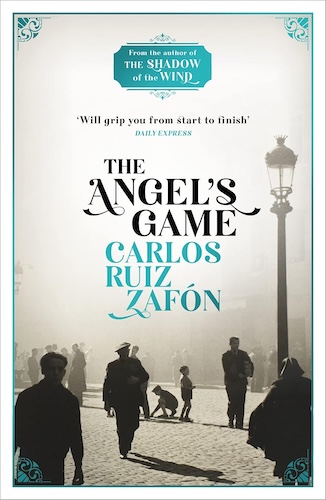
The Angel’s Game
In the dark, atmospheric streets of 1920s Barcelona, David Martín makes his living writing sensational crime stories under a pseudonym. Haunted by a troubled childhood and an impossible love, he finds refuge in literature and in a decaying mansion whose sinister history gradually begins to consume him. When a mysterious French publisher named Andreas Corelli offers him an extraordinary sum of money to write a book unlike any other, David accepts, believing the commission could transform his life.
But as he begins his work, unsettling connections emerge between the book he is writing, the secrets hidden within his mansion, and the strange events unfolding around him. What initially appears to be a dream opportunity becomes an increasingly dangerous mystery, blurring the boundaries between fiction and reality, faith and deception, and creation and destruction.
Returning to the shadowy literary universe of the Cemetery of Forgotten Books, Zafón crafts a Gothic thriller filled with secret passages, forbidden knowledge, obsessive love, and supernatural menace. Beneath its intricate mysteries lies a meditation on the power of storytelling and the price of artistic ambition. The Angel’s Game asks whether a writer can truly control the stories he creates—or whether some stories have the power to control their creators.
Spain
2008
4
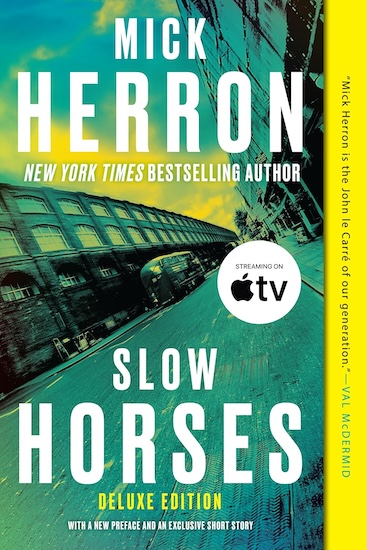
Slow Horses
At the edge of London’s intelligence world lies Slough House, a drab office where MI5 sends agents who have made career-ending mistakes. Known as the “slow horses,” these disgraced spies spend their days drowning in paperwork, enduring humiliating assignments, and dreaming of returning to serious intelligence work. Their miserable existence is overseen by Jackson Lamb, a brilliant but abrasive veteran whose apparent laziness conceals a formidable understanding of the spying business.
River Cartwright, a promising young agent whose career collapses after a disastrous training exercise, finds himself among them. When a young man is kidnapped and his captors threaten to broadcast his execution online, the slow horses see an opportunity to prove their worth. But as they investigate, they begin to suspect that the kidnapping may be part of a much larger game—and that powerful people within the intelligence establishment have their own reasons for wanting the truth to remain hidden.
Combining tense espionage with dark humour and political satire, Slow Horses offers a refreshingly unglamorous portrait of intelligence work. Mick Herron explores ambition, professional failure, and institutional corruption, revealing how the people dismissed as useless can sometimes see what the powerful refuse to acknowledge.
United Kingdom
2010
5
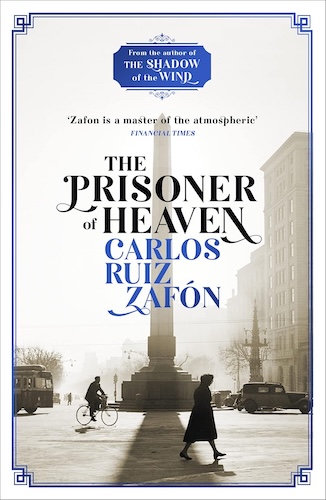
Prisoner Of Heaven
Barcelona, 1957. At the Sempere & Sons bookshop, Daniel Sempere seems to have finally found happiness. Married to Bea and the father of a young son, he shares his days with his devoted friend Fermín Romero de Torres, who is preparing for his own wedding. But their peaceful life is disrupted when a mysterious stranger enters the shop and purchases a rare, beautifully illustrated edition of The Count of Monte Cristo. Before leaving, he writes a disturbing dedication addressed to Fermín, hinting at a secret buried deep in the past.
Daniel soon discovers that his friend’s history is far darker than he imagined. The mystery leads back to the brutal years of Francisco Franco’s dictatorship, revealing a story of imprisonment, betrayal, revenge, and survival. As buried memories resurface, Daniel and Fermín must confront the consequences of secrets that could endanger everything they hold dear.
The third novel in Zafón’s Cemetery of Forgotten Books series, The Prisoner of Heaven brings together characters and mysteries from The Shadow of the Wind and The Angel’s Game. Blending Gothic suspense, historical fiction, and the enduring magic of books, the novel explores how the past refuses to remain buried—and how friendship and loyalty can survive even the darkest chapters of history.
Spain
2011
6
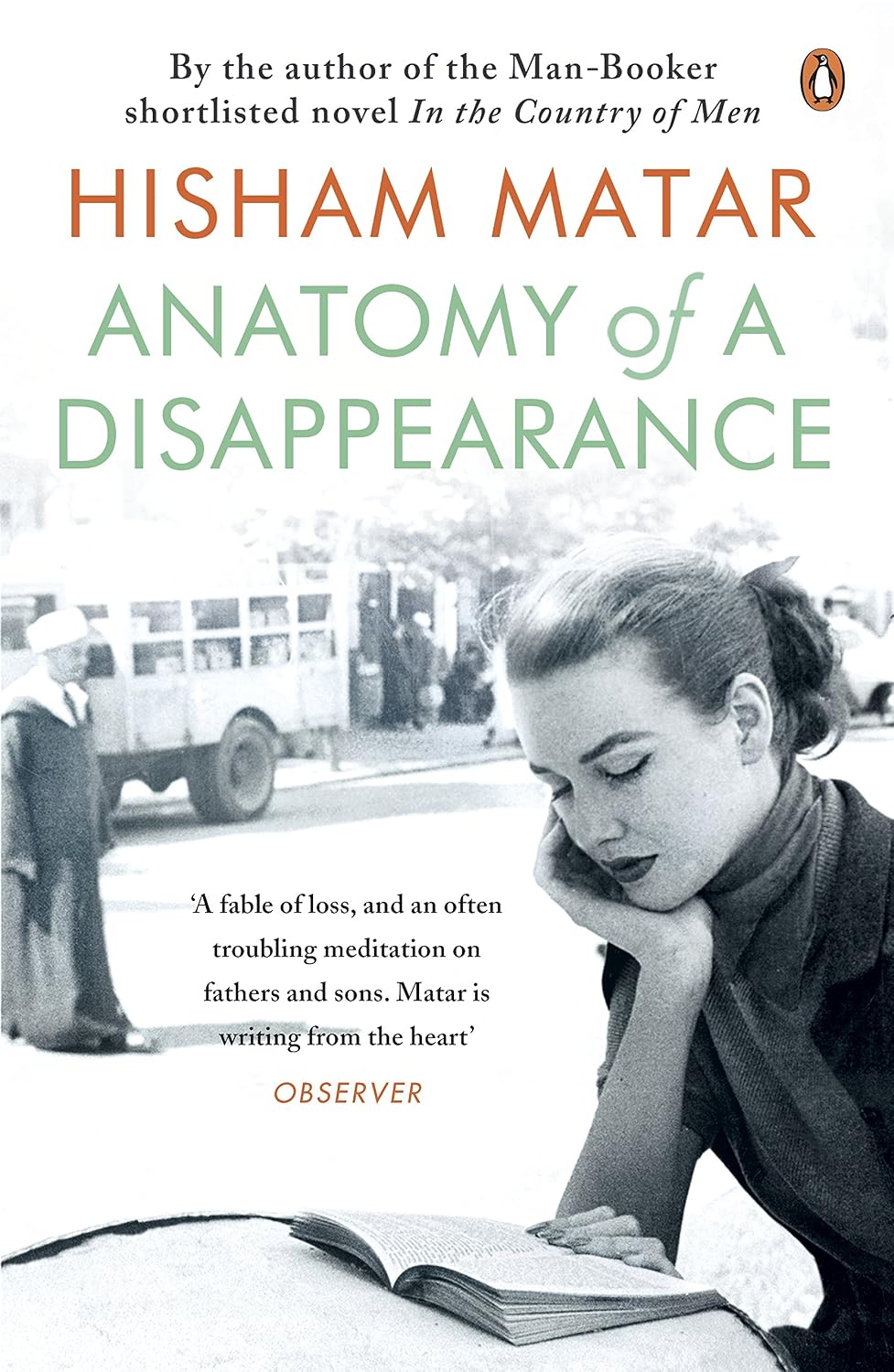
Anatomy of a Disappearance
Anatomy of a Disappearance follows Nuri el-Alfi, a young boy whose life is shaped by the mysterious disappearance of his father, Kamal, a wealthy Libyan exile and political dissident. After his mother’s death, Nuri becomes increasingly attached to Mona, his father’s second wife, whom he first encounters as a teenager while travelling with his father in England. When Kamal vanishes without explanation, Nuri is left struggling to understand the man he loved but never fully knew. As he grows older, he searches for clues about his father’s fate, confronting the silences, secrets, and uncertainties that surround his family’s past. Set against the backdrop of political repression and exile, the novel explores the fragile bonds between fathers and sons, the complexities of memory, and the ways absence can shape a person’s identity. Through restrained, lyrical prose, Hisham Matar examines how grief and longing transform our understanding of those we love, revealing how the search for a missing person can also become a search for oneself.
Libya
2011
7
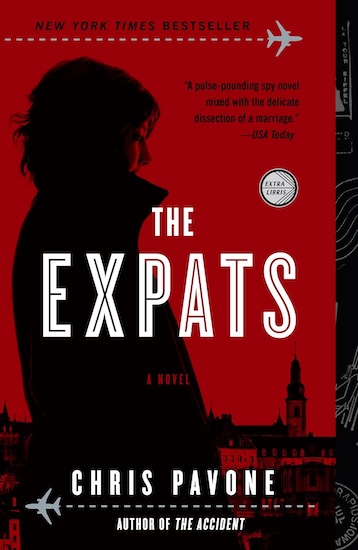
The Expats
Kate Moore appears to have built a comfortable new life in Luxembourg. After her husband accepts a lucrative job abroad, she leaves Washington, D.C., behind and settles into the routines of expatriate life: school drop-offs, coffee mornings, and weekend trips around Europe. But Kate is hiding a dangerous secret about her past, and the ordinary life she has constructed is becoming increasingly difficult to maintain.
When Kate begins to suspect that another American couple in Luxembourg are not who they claim to be, her suspicions grow. Her husband is also behaving strangely, and his work for an undisclosed banking client raises questions she cannot ignore. As she investigates the people around her, Kate discovers that the lives of the expatriates in her seemingly peaceful community are far more complicated than they appear.
Moving between the polished world of international professionals and the shadowy realm of espionage, Pavone builds a suspenseful story of deception, double-crossing, and hidden identities. The novel explores how people reinvent themselves when they move abroad, whether it is possible to escape one’s past, and how secrets can undermine even the closest relationships. The Expats won both the Edgar Award and the Anthony Award for Best First Novel in 2013.
Luxembourg
United States
2013
8
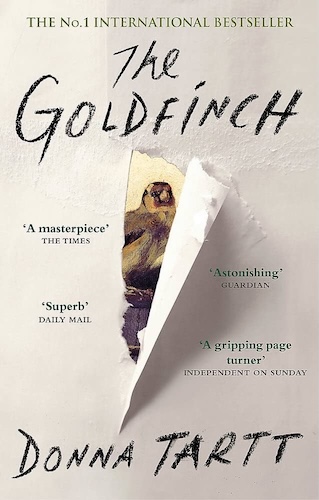
The Goldfinch
After a devastating accident kills his mother, thirteen-year-old Theo Decker finds himself clinging to a small, captivating painting that connects him to her. As he grows older, the artwork draws him into a world of wealth, deception, and the criminal art trade. Winner of the 2014 Pulitzer Prize for Fiction, this sweeping novel explores grief, obsession, and the mysterious ways beauty can shape a life.
United States
2013
9
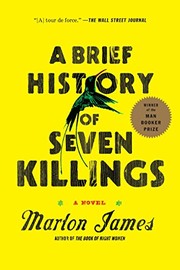
A Brief History of Seven Killings
Set primarily in Jamaica during the 1970s and extending into the 1990s, A Brief History of Seven Killings explores the political violence, gang warfare, and social upheaval surrounding the attempted assassination of reggae legend Bob Marley in 1976. Told through the perspectives of an expansive cast of characters, including gang members, journalists, politicians, and CIA operatives, the novel examines the complex relationships between crime, political power, and international interference. As the narrative moves from Kingston to the United States, it traces the long-term consequences of violence on individuals and communities. Through shifting voices, Jamaican patois, and an unflinching portrayal of historical events, Marlon James explores inequality, corruption, identity, and the lasting scars of political conflict. The novel offers a multifaceted portrait of Jamaica’s turbulent history and the human cost of violence.
Jamaica
2015
10
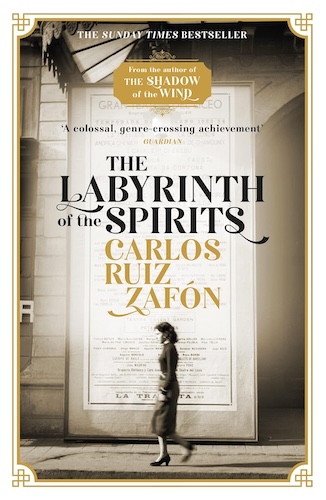
The Labyrinth of the Spirits
In post-war Barcelona, where the shadows of Francisco Franco’s dictatorship linger over everyday life, a young investigator named Alicia Gris is drawn into a dangerous mystery involving one of Spain’s most powerful political figures. Working for a secretive government agency, Alicia is tasked with locating a missing minister, but what begins as a straightforward investigation soon reveals a far-reaching conspiracy involving political corruption, kidnapping, and murder.
As Alicia follows the trail of clues, her investigation brings her into contact with the Sempere family, whose lives have been intertwined with the mysteries of the Cemetery of Forgotten Books for decades. Daniel Sempere, still haunted by questions surrounding his mother’s death, finds himself drawn into a final confrontation with the secrets that have shaped his family. Together, Alicia and Daniel uncover a disturbing history of violence, betrayal, and buried truths.
The fourth and final novel in Zafón’s Cemetery of Forgotten Books series, The Labyrinth of the Spirits brings together characters and mysteries from the previous books in an intricate literary puzzle. Combining Gothic atmosphere, historical fiction, suspense, and a profound love of books, Zafón creates a sweeping portrait of a city haunted by its past. At its heart, the novel explores how literature preserves memory, how authoritarian power attempts to control truth, and how courage and friendship can help people emerge from the darkest chapters of history.
Spain
2016
11
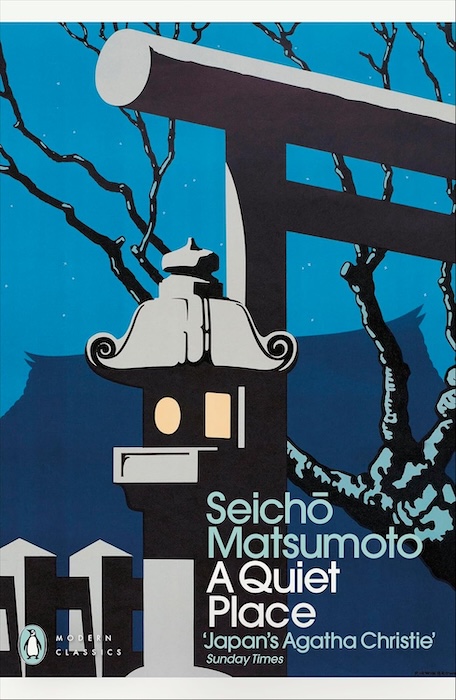
A Quiet Place
A Quiet Place follows Tsuneo Asai, a reserved government official whose life is disrupted when he learns that his wife, Eiko, has died suddenly while he is away on a business trip. Although she had a heart condition, the circumstances of her death trouble him: she collapsed in a small shop in a Tokyo neighbourhood she seemingly had no reason to visit.
Determined to understand what happened, Asai investigates the area and discovers clues suggesting that his seemingly quiet and devoted wife may have been hiding a secret life. His search gradually draws him into a world of clandestine relationships, suspicion, and uncomfortable revelations. As he uncovers details about Eiko’s movements, his grief gives way to jealousy and doubt, threatening the orderly existence he has carefully maintained.
Through this psychological mystery, Matsumoto examines the hidden tensions beneath respectable appearances, the constraints of marriage, and the effects of ambition and social expectations in postwar Japanese society. The novel reveals how little people may truly know about those closest to them.
Japan
2016
12
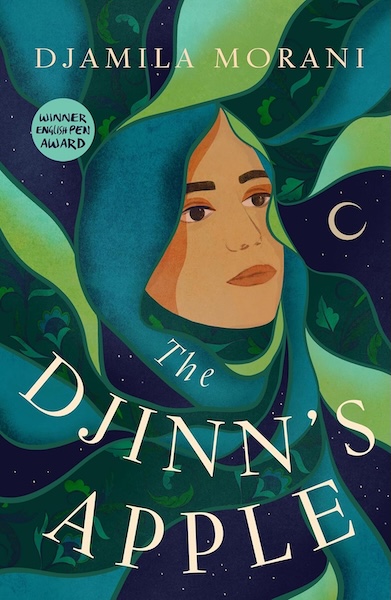
The Djinn's Apple
In the golden age of Baghdad, a young girl must transform her grief into the strength to uncover a deadly secret.
Twelve-year-old Nardeen Baramika dreams of becoming a doctor, an extraordinary ambition for a girl living in the Abbasid Caliphate. But when armed men storm her family home, she escapes while the rest of her family are murdered. Suddenly alone, Nardeen discovers that their deaths may be connected to a mysterious manuscript—and a powerful man determined to keep its secrets hidden.
Taken under the protection of a respected medical scholar, Nardeen begins studying medicine while secretly pursuing justice for her family. As she navigates a world of political intrigue, dangerous alliances, and shifting loyalties, she must decide whom she can trust and how far she is willing to go for revenge.
Blending historical mystery with the atmosphere of medieval Baghdad, The Djinn’s Apple follows a determined young heroine who refuses to let tragedy dictate her future. It explores knowledge, ambition, and the courage required to challenge the expectations imposed on women. Originally written in Arabic, the novel was translated into English by Sawad Hussain.
Iraq
2017