Horror
All countries
Argentina
Brazil
Canada
Ecuador
India
Iran
Iraq
Japan
Mexico
Netherlands
Nigeria
Pakistan
South Korea
Spain
Türkiye
United Kingdom
United States
1
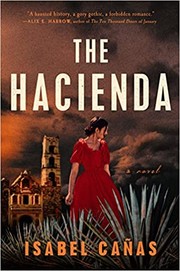
The Hacienda
Set in Mexico in the aftermath of the War of Independence, The Hacienda follows Beatriz, a young woman whose father was executed and whose family home was destroyed during political upheaval. When wealthy landowner Don Rodolfo Solórzano proposes marriage, she accepts, hoping to secure a safe home and a fresh start. However, after moving to his remote estate, Hacienda San Isidro, Beatriz begins experiencing terrifying visions and unexplained disturbances. As she investigates the property’s dark history, she seeks help from Padre Andrés, a young priest hiding secrets of his own. Blending Gothic horror, historical fiction, and forbidden romance, Isabel Cañas explores women’s vulnerability within patriarchal society, the lingering effects of colonialism, and the struggle for independence in a world shaped by power and superstition.
Mexico
2022
2
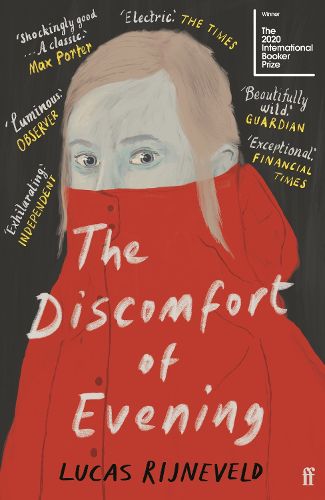
The Discomfort of Evening
Ten-year-old Jas lives with her deeply religious family on a dairy farm in the rural Netherlands. Her world is shaped by strict religious beliefs, the rhythms of farm life and the unspoken rules governing her family. When her older brother Matthies dies in an accident, Jas struggles to understand the loss and begins to believe that her childhood prayer may somehow have caused his death. As grief settles over the household, her parents withdraw into their own suffering, leaving Jas and her siblings increasingly isolated. Unable to express her fear and confusion directly, Jas retreats into a disturbing inner world filled with strange fantasies, bodily anxieties and dark imaginings. Through the child’s unsettling perspective, Rijneveld portrays a family gradually disintegrating under the weight of unprocessed grief and religious guilt. The novel’s vivid, often shocking imagery captures the vulnerability of childhood and the desperate search for meaning when familiar structures of belief and family life begin to collapse. Winner of the 2020 International Booker Prize, the novel is a haunting exploration of loss, repression and the limits of understanding.
Netherlands
2020
3
In the Dream House
In In the Dream House, Carmen Maria Machado explores an abusive same-sex relationship through a blend of memoir, cultural criticism, and experimental storytelling. She examines the complexities of love, trauma, and memory while challenging the silence surrounding abuse in LGBTQ+ relationships.
United States
2020
4
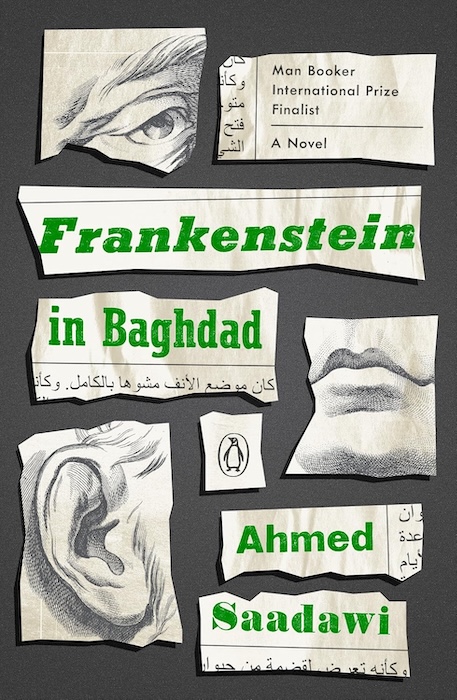
Frankenstein in Baghdad
Set in Baghdad after the 2003 invasion of Iraq, Frankenstein in Baghdad follows Hadi, an eccentric junk dealer who collects body parts left behind by bombings and other acts of violence. Hoping to ensure that the dead receive proper recognition, he stitches the remains together into a single body. When the assembled corpse mysteriously disappears, a series of gruesome murders begins, and rumours spread about a creature that cannot be killed. As the authorities and local residents attempt to understand the violence, the creature becomes a disturbing symbol of a society overwhelmed by revenge and injustice. Blending horror, dark humour, and political satire, Saadawi explores the human cost of war and the difficulty of assigning responsibility when violence produces an endless cycle of retaliation. The novel asks whether a society fractured by conflict can distinguish justice from revenge.
Iraq
2018
5
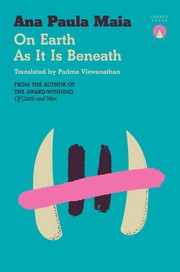
On Earth As It Is Beneath
On Earth as It Is Beneath takes place in a remote Brazilian penal colony that has been abandoned by the authorities, leaving prisoners and guards trapped in a brutal and isolated environment. As the prison deteriorates, the people within it become increasingly subject to violence, cruelty, and arbitrary power. The boundaries between those responsible for maintaining order and those imprisoned begin to blur, exposing the moral corruption of a system that has effectively abandoned its own rules. Maia writes in stark, uncompromising prose, creating an atmosphere of dread in which the surrounding landscape intensifies the characters’ sense of confinement. The novel examines punishment, institutional neglect, and the dehumanising effects of unchecked authority. It asks what happens when a society removes people from view and then abandons responsibility for their lives.
Brazil
2017
6
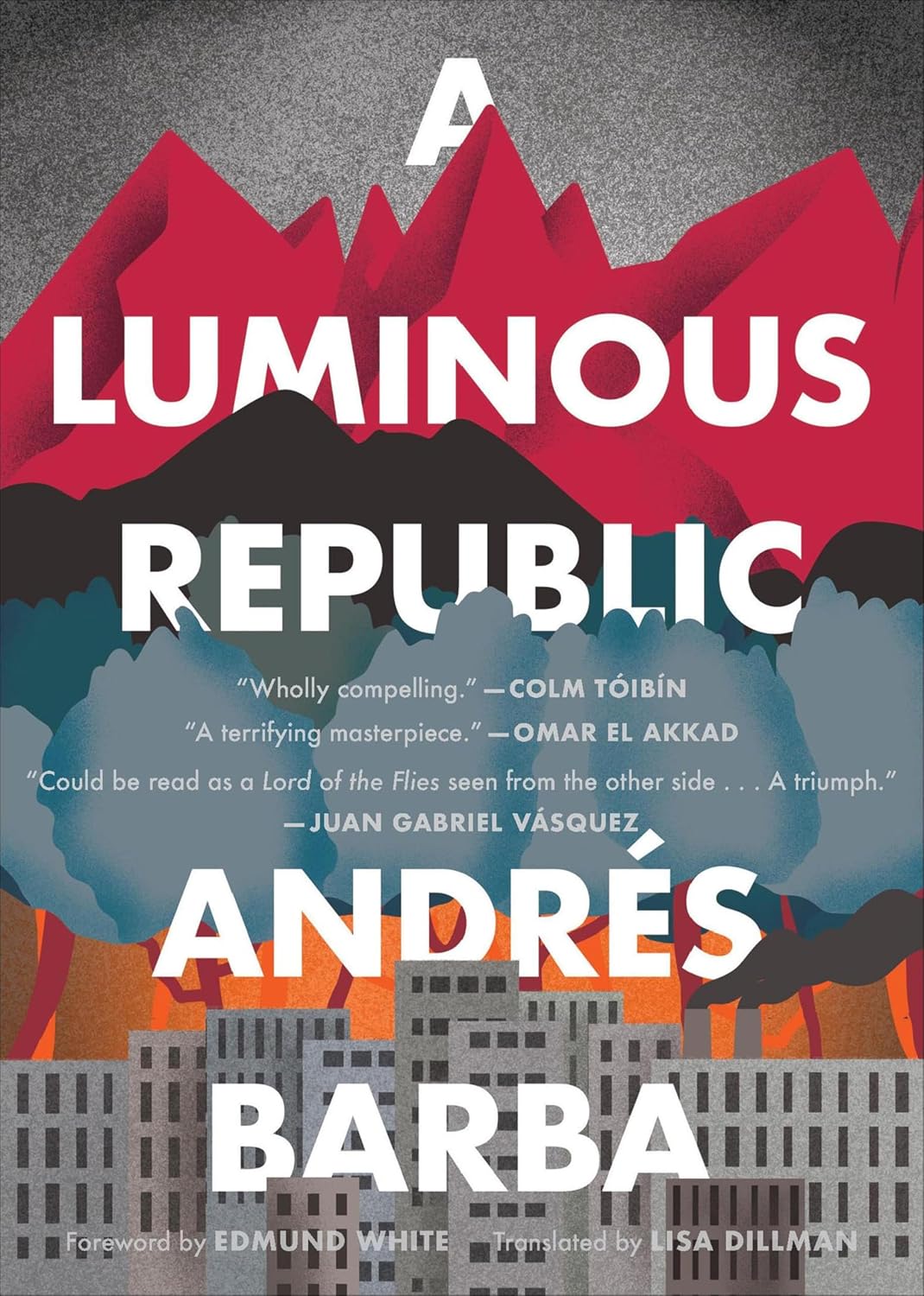
A Luminous Republic
In A Luminous Republic, a narrator looks back on a disturbing episode from his time working in the subtropical town of San Cristóbal. A mysterious group of children appears in the town, living on its margins and communicating in an unfamiliar language. When some of them begin committing acts of violence, the community struggles to understand their behaviour and decide how to respond. What initially seems like a social mystery gradually becomes a troubling examination of the boundaries between civilisation and savagery, childhood and adulthood, and order and chaos. Barba challenges the idealised image of childhood innocence, asking how societies define outsiders and how fear shapes collective behaviour. The novel reads like a modern fable about the fragility of social norms and the limits of human understanding.
Spain
2017
7
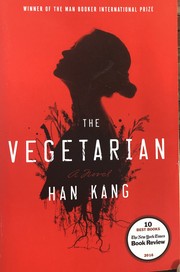
The Vegetarian
The Vegetarian tells the story of Yeong-hye, an ordinary South Korean woman whose decision to stop eating meat after experiencing disturbing dreams sets off a chain of increasingly unsettling events. Her husband initially sees her refusal as an inconvenience, while her family responds with anger and attempts to force her back into conformity. As Yeong-hye withdraws from conventional expectations, her behaviour becomes increasingly radical, challenging the roles imposed on her as a wife, daughter, and woman. Told through the perspectives of her husband, brother-in-law, and sister, the novel gradually reveals the psychological and emotional pressures beneath her transformation. Han Kang explores bodily autonomy, violence, desire, and the struggle to resist a society that demands obedience. The novel raises unsettling questions about whether rejecting social conventions can become an act of liberation, even when that resistance carries devastating consequences.
South Korea
2007
8
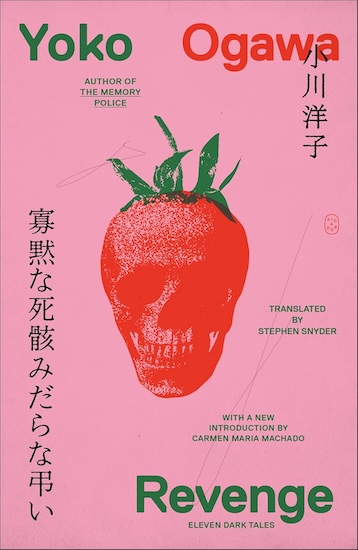
Revenge
A grieving mother visits a bakery to buy a strawberry cake for her son’s birthday. There is just one detail that makes the request impossible to forget: her son has been dead for years. From this quietly unsettling encounter, Yōko Ogawa begins weaving a world where ordinary lives conceal extraordinary darkness, and seemingly unrelated strangers are connected by secrets neither they nor the reader fully understand.
In Revenge: Eleven Dark Tales, a woman discovers a disturbing truth about her landlady, a surgeon becomes entangled in a web of jealousy and obsession, and a lonely craftsman finds himself drawn toward violence. Other characters drift through the stories like shadows, reappearing in unexpected places and revealing new layers to events that once seemed insignificant. A forgotten object, a peculiar conversation, or an unfamiliar face can become the thread connecting one nightmare to another.
Ogawa transforms everyday settings into something quietly menacing. Her prose is restrained and almost delicate, making the grotesque moments all the more disturbing. Rather than relying on sudden shocks, she builds dread through small details and unsettling coincidences, leaving the reader to piece together the hidden connections.
Beautifully eerie and psychologically intricate, Revenge explores grief, obsession, cruelty, and the darkness that can exist beneath the surface of ordinary life.
Japan
1998
9
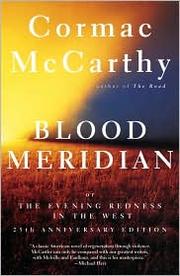
Blood Meridian
Set in the American Southwest and northern Mexico during the 1840s, Blood Meridian follows a nameless teenager known as the Kid as he joins a violent band of scalp hunters operating along the frontier. The group, led by the ruthless Captain Glanton and accompanied by the enigmatic Judge Holden, travels through landscapes marked by poverty, conflict, and brutality. Their journey exposes the violence underpinning territorial expansion and the mythology of the American West. McCarthy’s stark, biblical prose transforms the frontier into a world where cruelty seems almost elemental and human life is treated as expendable. The novel challenges romantic ideas of conquest and civilisation, exploring violence as both a historical force and a disturbing aspect of human existence.
United States
1985
10
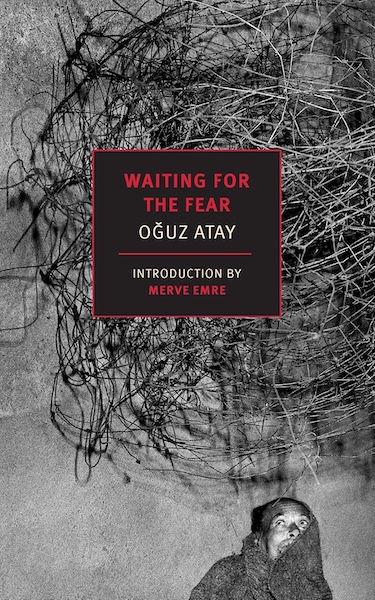
Waiting for the Fear
What happens when an ordinary letter makes you question everything you thought you knew? In the title story of Waiting for the Fear, an isolated man receives a mysterious message written in a language he cannot understand. As he struggles to decipher its meaning, suspicion gradually takes over his life, transforming his home into a place of dread and his everyday existence into an increasingly surreal nightmare.
Across eight stories, Oğuz Atay introduces a cast of outsiders, misfits, and troubled souls struggling to connect with a society that seems determined to misunderstand them. A woman confronts unsettling memories after discovering her former lover’s body; lonely storytellers sell invented tales to passengers at a remote railway station; other characters find themselves trapped between their private fantasies and an indifferent world.
Blending dark humour, psychological unease, absurdity, and experimental storytelling, Waiting for the Fear explores the fragile boundary between reality and imagination. Atay’s characters are haunted not only by external threats but also by their own thoughts, revealing the loneliness of people who can no longer trust the world—or themselves.
Türkiye
1975
11
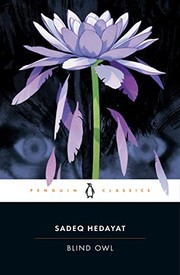
Blind Owl
The Blind Owl is a landmark of modern Persian literature, exploring obsession, alienation, and the fragile boundary between reality and imagination. The novella follows an unnamed narrator, a reclusive artist who paints pen cases and becomes consumed by the image of a mysterious, beautiful woman. After an unsettling encounter with her, he recounts a series of disturbing events in a fragmented, dreamlike narrative that gradually dissolves into hallucination, violence, and psychological torment.
Divided into two interconnected sections, the story moves between seemingly different realities, repeating images and experiences in ways that make it difficult to distinguish memory from fantasy. The narrator’s isolation deepens as he becomes trapped in cycles of obsession and despair, addressing his thoughts to a shadow resembling an owl.
Through surreal imagery and an unreliable narrator, Hedayat explores loneliness, mortality, and the disintegration of identity. Dark and unsettling, the novella remains a powerful examination of the human mind and the impossibility of escaping one’s inner world.
Iran
1937