History
All countries
Algeria
Belarus
Cambodia
China
Cuba
Cyprus
Egypt
France
India
Iran
Ireland
Malta
Pakistan
Palestine
Russia
Taiwan
Turkmenistan
United Kingdom
United States
Yemen
1
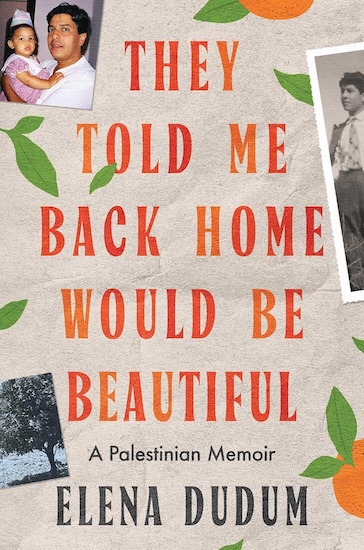
They Told Me Back Home Would Be Beautiful
Raised in a Palestinian Christian family in San Francisco, Elena Dudum grows up surrounded by her father’s stories of a homeland her grandparents were forced to leave. For years, she resists this inheritance, trying to fit into American life and escape the weight of a history she struggles to claim. But a visit to Palestine brings the realities of occupation, displacement, and her family’s past into sharp focus. Weaving together family memories, archival discoveries, and political reflection, this intimate memoir traces one woman’s journey from estrangement to belonging—and her determination to reclaim a heritage that cannot be erased.
Palestine
United States
2027
2
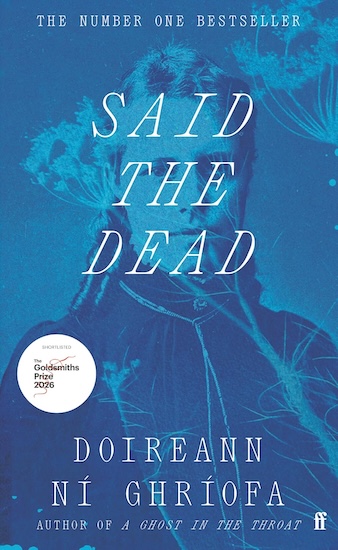
Said the Dead
In Cork, Ireland, a derelict Victorian psychiatric hospital is being transformed into modern apartments. For one woman, known as the Reader, the abandoned building becomes the beginning of an extraordinary investigation into the lives of the women who once lived behind its walls. Through archival records and the casebooks of Dr Lucia Strangman, one of Ireland’s earliest female asylum doctors, she discovers the stories of women whose suffering was recorded, interpreted, and too often misunderstood by the medical establishment. As the Reader becomes increasingly immersed in their histories, the boundaries between past and present, personal experience and historical memory begin to blur. Blending biography, memoir, historical research, and elements of the ghost story, Said the Dead gives imaginative life to forgotten women while examining grief, mental illness, motherhood, and the ethics of recovering voices that history has silenced.
Ireland
2026
3
Herlands: Lessons From Societies Where Women Make the Rules
What would the world look like if women made the rules? BBC correspondent Megha Mohan travels across continents to discover communities where women create their own systems of power, belonging, and survival. From South Korea’s controversial feminist online movements to women’s communal living spaces in Europe and the Rain Queens of South Africa, she uncovers stories that challenge conventional ideas about leadership, family, and social order. Inspired by her own great-grandmother’s matrilineal community in South India, Mohan combines historical research with firsthand reporting to explore how women have built alternative ways of living, often outside patriarchal structures. Herlands is an illuminating investigation into women’s solidarity, collective power, and the possibilities of reimagining society.
United Kingdom
2026
4
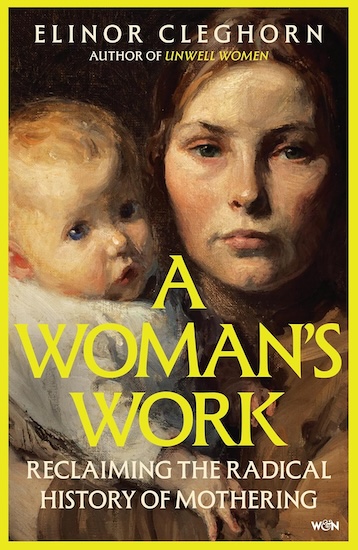
A Woman’s Work: Reclaiming the Radical History of Mothering
Motherhood has shaped human history, yet the women who have raised children, challenged injustice, and fought for reproductive freedom have often been written out of it. From ancient childbirth rituals to the struggles of unmarried mothers in seventeenth-century England, Elinor Cleghorn traces the lives of women who resisted society’s attempts to control their bodies and define their roles. Through the stories of midwives, writers, activists, and community leaders, she reveals how mothering has always been an act of labour, resistance, and transformation. Reclaiming motherhood as more than a biological function or private responsibility, this compelling history challenges the patriarchal systems that have devalued women’s work and asks what it would mean to finally recognize and support the people who care for others.
United Kingdom
2026
5
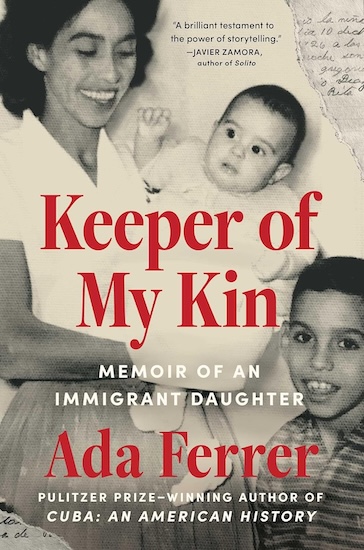
Keeper of My Kin: Memoir of an Immigrant Daughter
In 1963, Ada Ferrer’s mother fled Cuba with her infant daughter, leaving behind her nine-year-old son, Poly. What began as a desperate family decision became a separation that shaped generations. Decades later, Ferrer draws on letters, family memories, and historical archives to reconstruct the lives of those who left and those who stayed. Tracing her family’s story through the Cuban Revolution, migration, and the legacy of slavery, she explores how political upheaval enters the most intimate corners of family life. Both a personal reckoning and a powerful work of history, this moving memoir examines the enduring bonds of kinship, the meaning of home, and the stories we inherit.
Cuba
2026
6
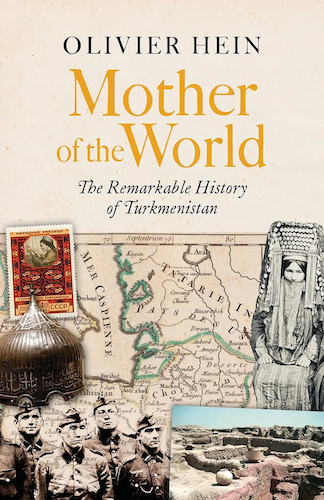
Mother of the World
Often overlooked in accounts of world history, Turkmenistan occupies a remarkable position at the crossroads of civilisations, empires, and religions. In Mother of the World, Olivier Hein brings this fascinating Central Asian country into focus, revealing how its desert landscapes and ancient cities have shaped events far beyond its borders. From the archaeological mysteries of early civilisations to the flourishing Silk Road metropolis of Merv, once among the world’s greatest centres of learning, Hein traces the region’s transformation through centuries of conquest, cultural exchange, and political upheaval. He explores the rise of the Turkmen people, the devastating Mongol invasions, the expansion of the Russian Empire, and the country’s incorporation into the Soviet Union before its emergence as an independent state in 1991. Drawing on historical research and his own experience as a diplomat stationed in Turkmenistan, Hein challenges the perception of the country as an isolated and marginal place. The result is an engaging portrait of a nation whose extraordinary past reveals the interconnectedness of human civilisation.
Turkmenistan
2026
7
Until the Last Gun Is Silent
Until the Last Gun Is Silent examines the role of Black Americans in the Vietnam War and the movement to bring the conflict to an end. Historian Matthew F. Delmont traces the experiences of Black servicemen, veterans, activists, and peace protesters who confronted both the violence of war abroad and racial injustice at home. Their stories reveal the contradictions of fighting for democracy overseas while experiencing discrimination within the United States. The book also explores how Black communities challenged official narratives about military service, patriotism, and the purpose of the war. By connecting battlefield experiences with political activism and the struggle for civil rights, Delmont presents a broader account of the forces that helped end American involvement in Vietnam and reshape debates about citizenship, equality, and national responsibility.
United States
2026
8
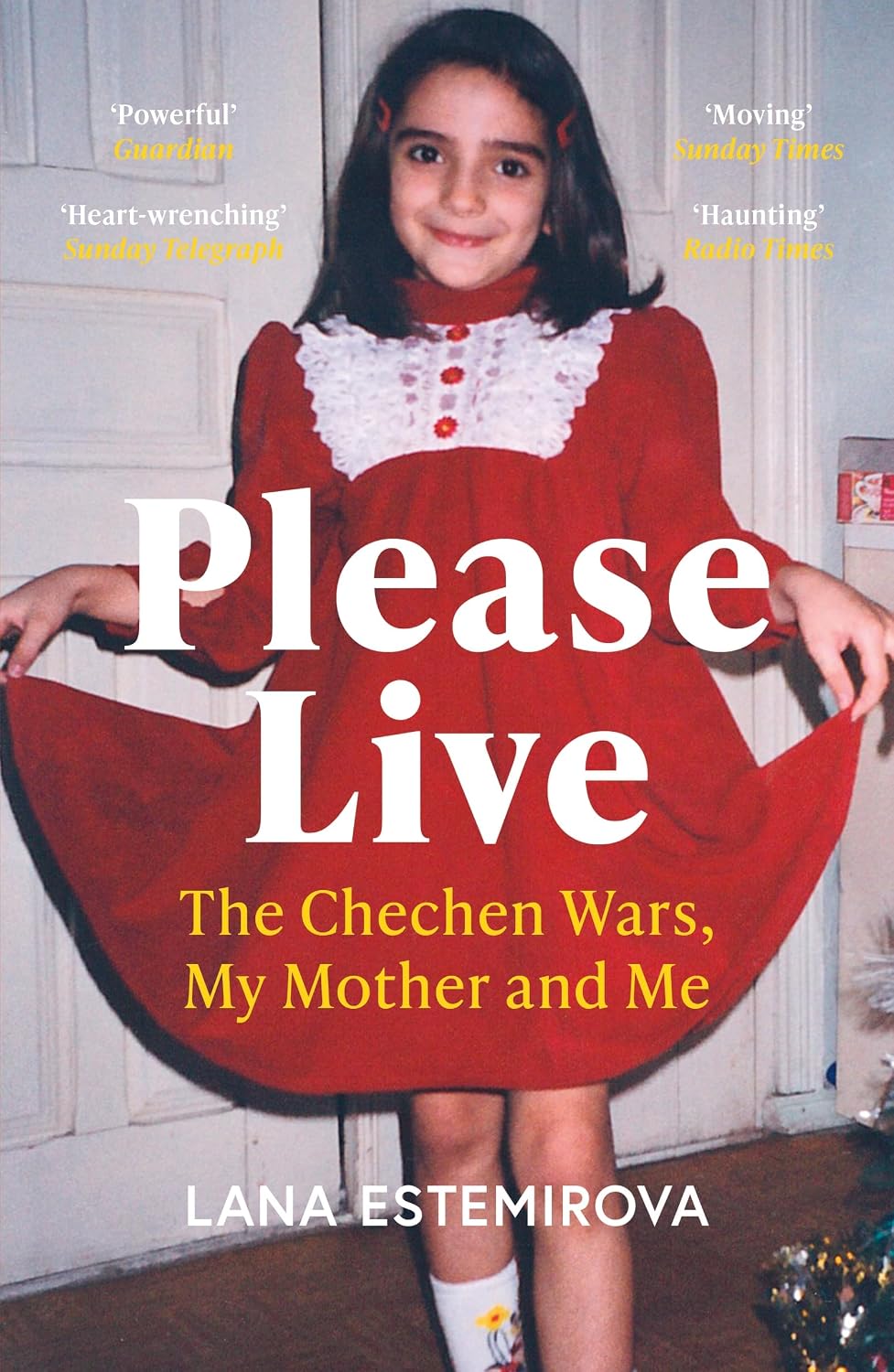
Please Live
In this memoir, Lana Estemirova reflects on growing up in Chechnya during the wars between Russia and Chechnya, and on the profound influence of her mother, human rights activist Natalia Estemirova. Through personal memories, family history, and the realities of life under violence and repression, she recounts how conflict shaped her childhood and her understanding of courage, justice, and survival. In 2009, Natalia was abducted and murdered after years of documenting human rights abuses. Her death became a defining rupture in Lana’s life, leaving behind grief as well as a responsibility to preserve her mother’s legacy. Please Live is both an intimate coming-of-age story and a testimony to the human cost of war, political violence, and the struggle to speak the truth.
Russia
2026
9
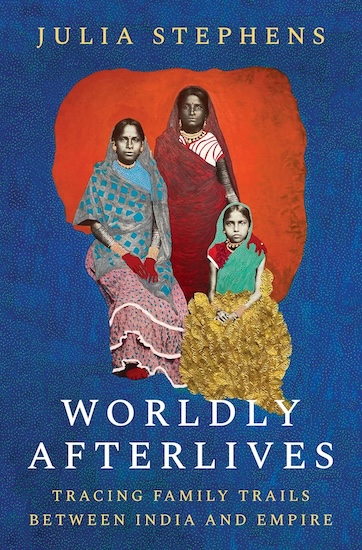
Worldly Afterlives: Tracing Family Trails Between India and Empire
What remains of an empire long after its subjects have scattered across the world? In this illuminating work of historical research, Julia Stephens traces the lives of Indian migrants who travelled across the British Empire, uncovering the intimate stories hidden in colonial records, family photographs, heirlooms, and forgotten archives. From the Indian Ocean to Malaya, Zanzibar, South Africa, and beyond, she follows generations of families whose experiences challenge conventional narratives of migration and belonging. Combining archival discoveries with interviews and contemporary family histories, Stephens reveals how colonialism continues to shape identity, memory, and the ways descendants understand their past. A compelling exploration of the human stories behind empire, Worldly Afterlives reimagines history through the lives of those too often left out of its official records.
India
United Kingdom
2025
10
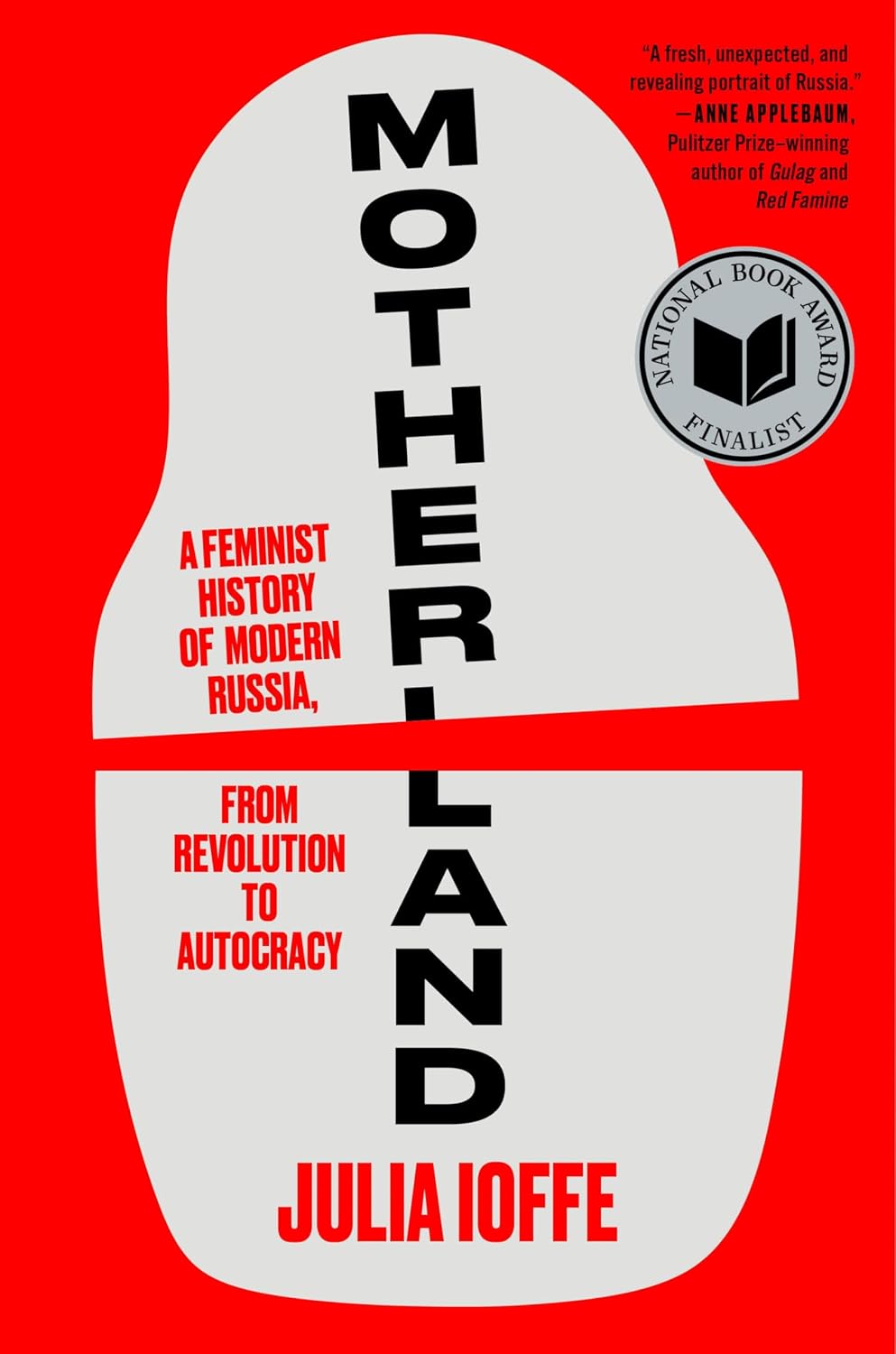
Motherland
How did Russia move from presenting itself as a pioneer of women’s emancipation to embracing conservative values and authoritarian rule? In Motherland, journalist Julia Ioffe explores modern Russian history through the lives of the women who experienced, shaped, and survived its transformations.
Combining historical research, personal memoir, and investigative journalism, Ioffe traces a century of upheaval, from the revolutionary promises of early Soviet feminism to the hardships of the Second World War and the contradictions of contemporary Russian society. She brings together the stories of her own Jewish-Russian family, feminist revolutionaries, women who fought on the front lines, single mothers who rebuilt their lives after the war, and modern activists challenging political repression.
Rather than telling Russia’s story solely through its male rulers, Ioffe places women’s experiences at the centre of the national narrative. She examines how political ideals shaped women’s opportunities, how successive generations carried the burdens of social change, and how the failure of emancipatory promises contributed to the rise of modern authoritarianism.
A finalist for the 2025 National Book Award for Nonfiction, Motherland offers a compelling exploration of feminism, power, historical memory, and the complicated relationship between personal lives and national identity.
Russia
2025
11
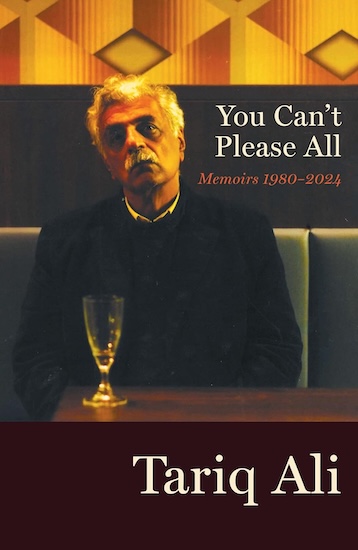
You Can’t Please All
In You Can’t Please All, Tariq Ali reflects on more than four decades of political activism, intellectual debate, and cultural life, continuing the story begun in his earlier memoir, Street Fighting Years. Moving between continents and pivotal historical moments, Ali recounts witnessing the collapse of the Soviet Union, meeting political figures such as Hugo Chávez, and campaigning against the wars in Iraq and Afghanistan as a prominent critic of Western foreign policy.
Combining personal recollections, political commentary, anecdotes, and reflections on literature, theatre, and film, the memoir also offers intimate portraits of influential writers, activists, and friends, including Edward Said and Benazir Bhutto. Ali explores the relationship between personal convictions and public life, tracing the changing fortunes of the political left from the aftermath of the revolutionary movements of the 1960s to the conflicts and ideological struggles of the twenty-first century. The book also looks back at his family’s experiences in the early years of Pakistan, connecting his personal history with the broader political forces that shaped his life.
Pakistan
United Kingdom
2024
12
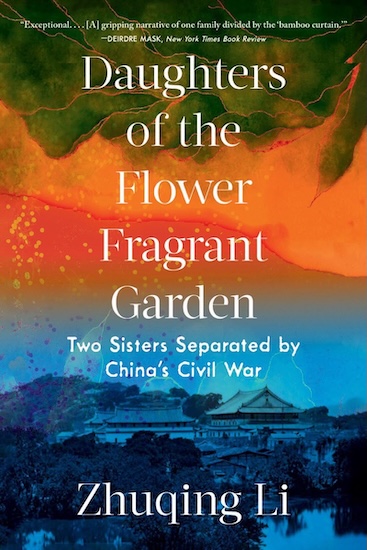
Daughters of the Flower Fragrant Garden
Born into a prominent family in southern China, sisters Jun and Hong grow up inseparable in the 1930s, surrounded by the traditions and privileges of a world on the brink of transformation. But when the Chinese Civil War ends in 1949, fate divides them between two rival political systems. Jun settles in Taiwan, marries a Nationalist general, and builds a successful business, while Hong remains on the mainland, where her family’s political background makes her vulnerable to suspicion and persecution. Despite decades of separation and silence, both women forge remarkable lives under vastly different circumstances. Drawing on family memories and historical research, Zhuqing Li tells a deeply personal story of sisterhood, resilience, and the ways political upheaval reshapes families and identities.
China
Taiwan
2023