Dystopia
1
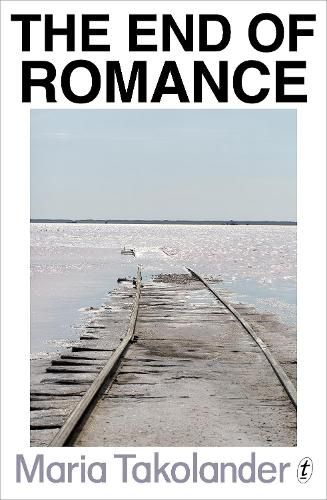
The End of Romance
Set in a dystopian future devastated by environmental collapse, The End of Romance follows a mother and her son as they struggle to survive in a world where nature has become hostile and human society is crumbling. Thorn-bearing plants dominate the landscape, toxic fogs make life increasingly dangerous, and communities face relentless hardship. While some people attempt to survive independently, others remain trapped within increasingly authoritarian systems.
The woman’s son attends a military school, like all boys his age. When he reaches sixteen, he will be sent to a distant planet known as the Promised Land to fight in a colonising war presented as humanity’s only hope for survival. Determined to protect her child, his mother begins questioning the world she has accepted. Her encounter with a mysterious young man who has somehow escaped conscription offers a possible route to sanctuary.
Combining dystopian fiction with unsettling social commentary, Takolander explores motherhood, sacrifice, environmental destruction, and the myths societies create to justify violence. The novel asks what it means to remain human when survival demands extraordinary moral compromises.
Australia
2026
2
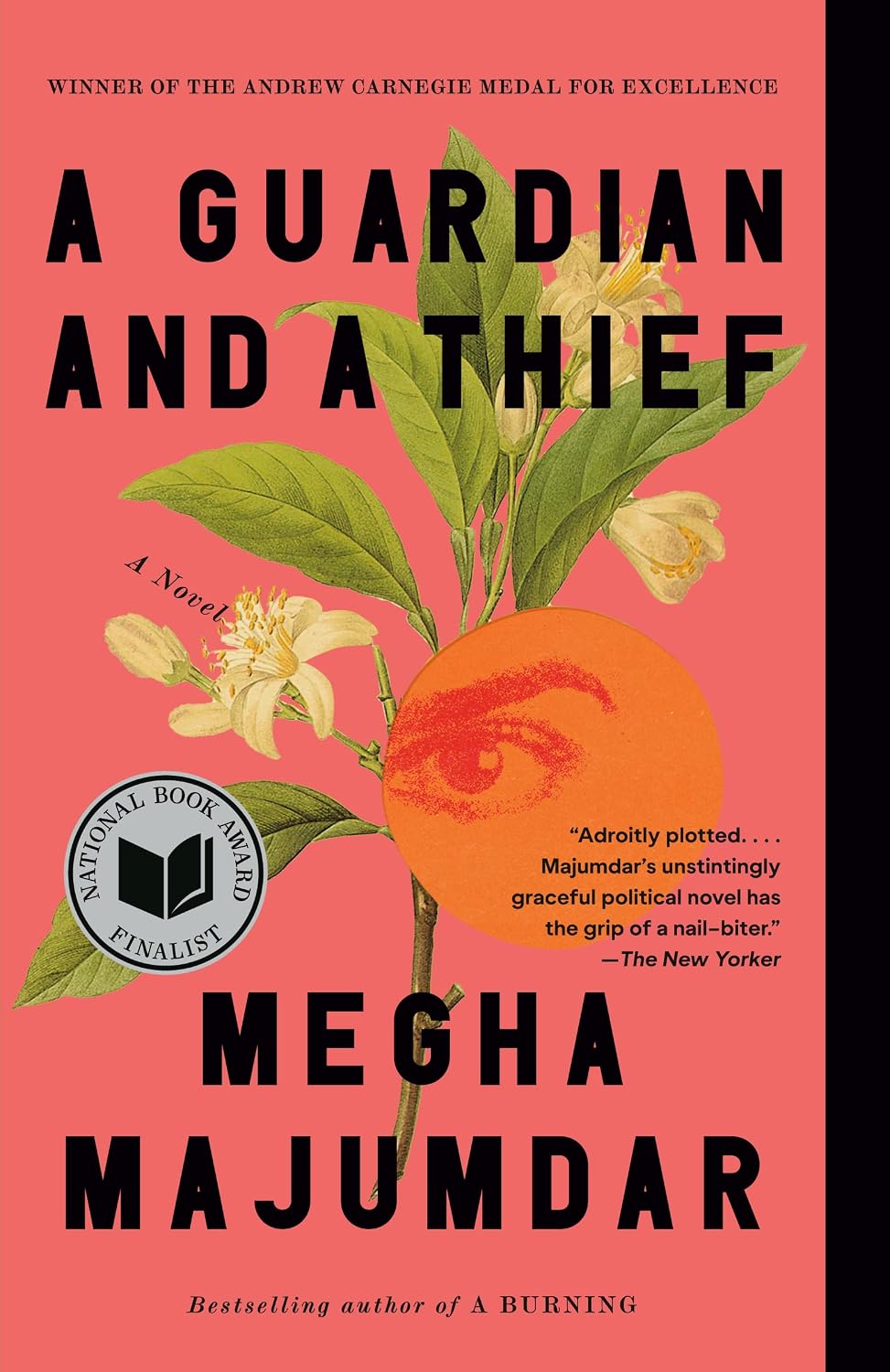
Guardian and a Thief
Set in a near-future Kolkata devastated by extreme heat and environmental crisis, A Guardian and a Thief follows two families whose lives become entangled through desperation and difficult moral choices. Ma, a mother determined to secure a future for her young daughter and elderly father, is preparing to leave India for the United States. Her plans are threatened when a young thief steals the documents her family needs to emigrate. The thief, meanwhile, is struggling to feed his own child in a city where poverty and climate catastrophe have made survival increasingly difficult. As their stories unfold over a single week, Majumdar explores the boundaries between right and wrong when people are pushed to desperate extremes. The novel examines inequality, parenthood, migration, and the moral compromises people make when protecting their families becomes a matter of survival.
India
2025
3
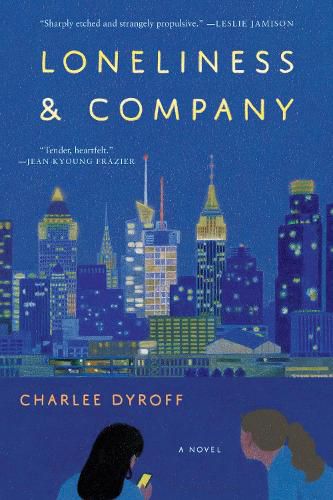
Loneliness & Company
In a near-future America where loneliness has supposedly been eliminated from society’s vocabulary, Lee expects her academic success to secure her a prestigious job at a leading technology corporation. Instead, she finds herself in a struggling, half-abandoned New York City, working for an obscure company with an unusual mission: training an artificial intelligence named Vicky to understand friendship. Initially, Lee approaches the task as a research problem, studying human interactions and observing the lively social life of her roommate, Veronika. But when she discovers that her employer is part of a secret government project designed to combat a mysterious resurgence of loneliness, her ambition takes over. Determined to produce results, Lee begins pursuing increasingly risky experiences to teach the algorithm what genuine human connection looks like. As her research becomes entangled with her own emotional life, she must confront the limits of technology and her understanding of intimacy. With wit and unsettling imagination, Dyroff explores isolation, ambition and the human need to belong in an increasingly technology-driven world.
United States
2024
4
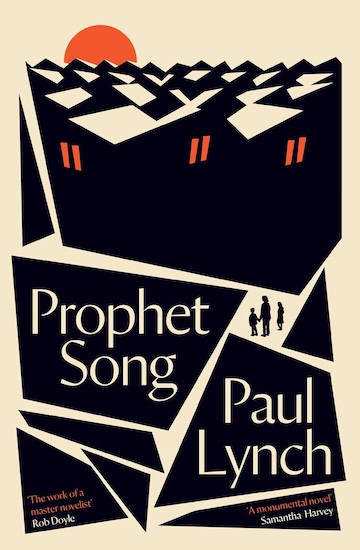
Prophet Song
Prophet Song follows Eilish Stack, a mother of four living in Dublin as Ireland descends into authoritarianism. When a newly empowered secret police force begins targeting political opponents, Eilish’s husband, a trade unionist, disappears into state custody. As restrictions tighten and violence spreads, Eilish struggles to protect her children while navigating a society where ordinary institutions can no longer guarantee safety or justice. Her efforts to maintain a semblance of normal life become increasingly desperate as neighbours disappear, public services collapse, and the possibility of escape grows more complicated. Lynch presents the crisis through Eilish’s increasingly claustrophobic perspective, capturing the emotional exhaustion of a parent forced to make impossible choices. The novel explores authoritarianism, displacement, and the cost of resisting political oppression, showing how democracy can erode gradually until private life becomes inseparable from the struggle for survival.
Ireland
2024
5
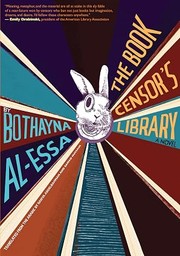
Book Censor's Library
The Book Censor’s Library presents a dystopian world in which literature is treated as a threat and citizens are expected to follow an officially approved version of reality. The protagonist works as a book censor, examining manuscripts and identifying ideas that might undermine the established order. His work initially appears to be a straightforward responsibility, but his encounters with the books he must judge gradually complicate his understanding of truth, authority, and individual thought. As he becomes increasingly aware of the power of stories, he begins questioning the system he serves and the assumptions that have shaped his life. Al-Essa uses satire and speculative fiction to explore censorship, propaganda, and the relationship between literature and political power. The novel celebrates the freedom to read, imagine, and question, suggesting that controlling stories is also a way of controlling how people understand themselves and the world around them.
Kuwait
2021
6
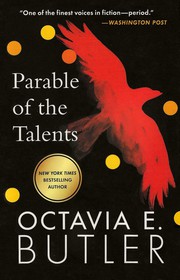
Parable of the Talents
Set in a dystopian America in the early twenty-first century, Parable of the Talents continues the story of Lauren Olamina, founder of the Earthseed movement, which teaches that humanity’s destiny is to shape change and eventually travel beyond Earth. As Lauren works to build a community based on cooperation, equality, and spiritual transformation, a Christian fundamentalist government rises to power, bringing persecution and violence. The novel is narrated partly through the perspective of Lauren’s estranged daughter, who struggles to understand her mother’s beliefs and legacy. Through their intertwined stories, Octavia E. Butler examines religious extremism, authoritarianism, racial injustice, and the struggle to preserve freedom in a society shaped by fear. The novel offers a powerful reflection on the dangers of political fanaticism and the resilience required to imagine a different future.
United States
1998
7
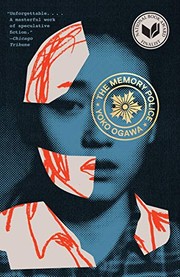
The Memory Police
The Memory Police takes place on an unnamed island where objects, memories, and aspects of everyday life mysteriously disappear. When something vanishes, the inhabitants gradually lose the ability to remember it, and the Memory Police ensure that no one preserves what has been erased. Flowers, birds, photographs, and other familiar things disappear from existence, leaving the island’s residents increasingly disconnected from their past.
The novel follows an unnamed young novelist whose editor, R, retains memories of the things that have vanished. When she learns that the Memory Police may discover his secret, she risks her own safety to hide him in a concealed room beneath her house. As disappearances continue, the world around them becomes smaller, and the struggle to preserve memory turns into an act of resistance.
Through its quiet, unsettling atmosphere, Ogawa explores censorship, surveillance, identity, and the fragility of human memory. The novel asks what remains of a person when the experiences, objects, and words that shape their understanding of the world are systematically taken away.
Japan
1994
8
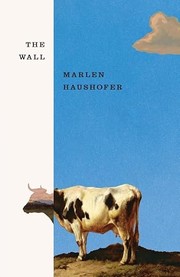
The Wall
The Wall follows an unnamed woman who becomes inexplicably isolated in the Austrian countryside after an invisible, impenetrable wall suddenly separates her from the rest of the world. On the other side, all human life appears to have vanished. Trapped in a remote mountain valley with only a dog, a cow, and a few other animals for company, she must learn to survive without any hope of rescue.
As the seasons pass, the woman develops routines to secure food, gather firewood, and care for her animals. Her solitary existence forces her to confront the essentials of life while reflecting on her former identity, human relationships, and the society she has left behind. The natural world becomes both her refuge and her greatest challenge, offering moments of beauty alongside hunger, exhaustion, and danger.
Through its restrained, diary-like narration, Haushofer explores isolation, survival, freedom, and humanity’s relationship with nature. The novel also questions the assumptions of modern civilization, revealing how solitude can transform a person’s understanding of herself and the world.
Austria
1963
9
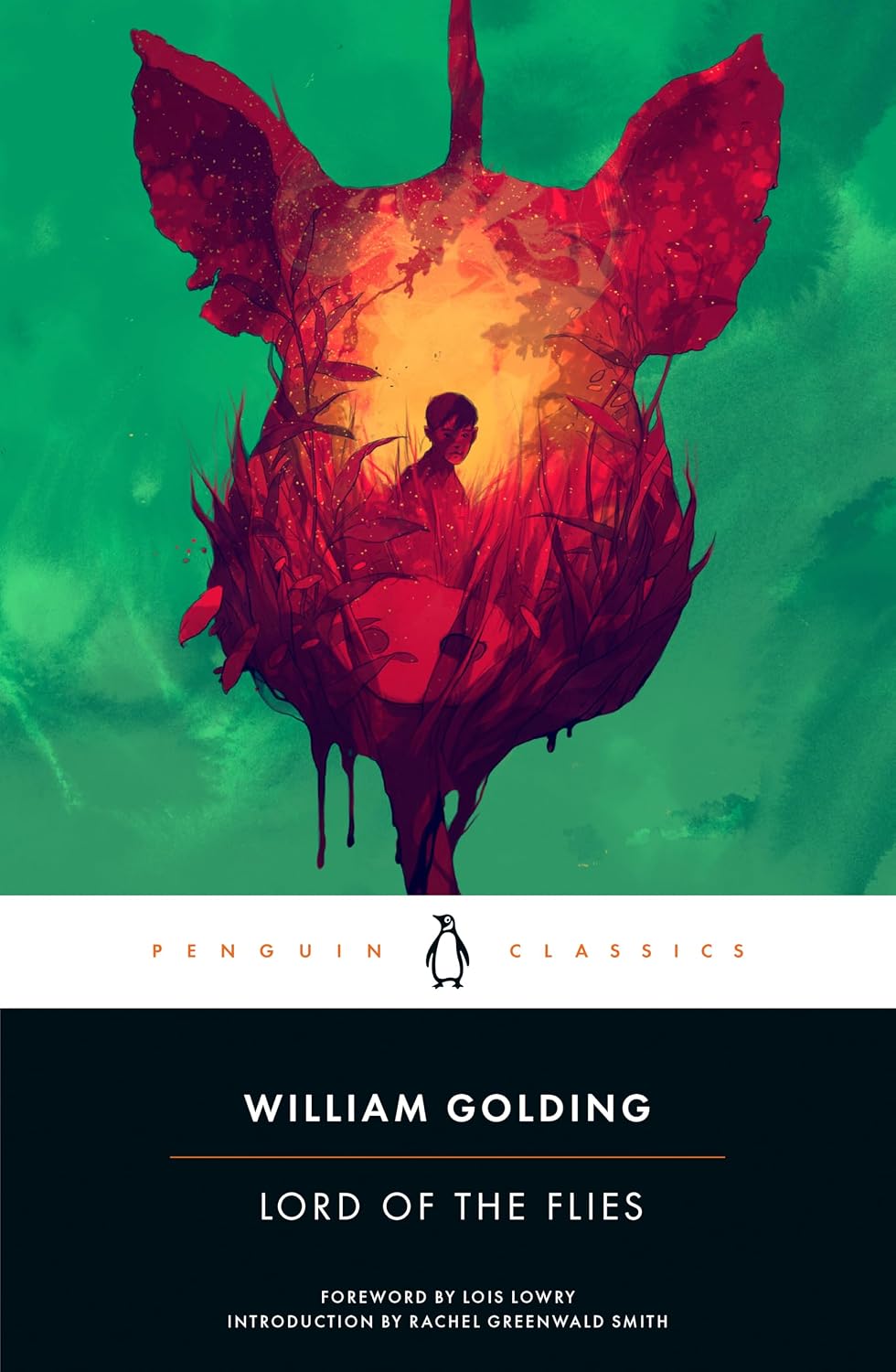
Lord of the Flies
Lord of the Flies follows a group of British schoolboys stranded on an uninhabited tropical island after a plane crash. Without adults to supervise them, the boys attempt to establish rules, distribute responsibilities, and organise their survival. Ralph advocates cooperation and order, while Jack becomes increasingly obsessed with hunting and personal power. As fear spreads and the boys become preoccupied with a mysterious beast they believe inhabits the island, their fragile society begins to collapse into violence. Golding uses their experience to examine the relationship between civilisation and human aggression, questioning whether social rules restrain darker impulses or merely conceal them. The novel explores leadership, fear, conformity, and the vulnerability of collective order, suggesting that the desire for power can destroy cooperation even among people who initially share the same goals.
United Kingdom
1954
10
1984
Nineteen Eighty-Four follows Winston Smith, a low-ranking employee in a totalitarian state where the ruling Party controls information, language, and private life. Living under the constant surveillance of Big Brother, Winston secretly questions the official version of history and begins keeping a forbidden diary. His relationship with Julia offers a brief experience of intimacy and rebellion, but their defiance attracts the attention of the authorities. As Winston is subjected to psychological manipulation and brutal interrogation, the Party attempts not only to control his actions but also to reshape his understanding of reality. Orwell explores propaganda, censorship, surveillance, and the destruction of individual autonomy. The novel warns that political power becomes especially dangerous when it can dictate what people are permitted to remember, believe, and say.
United Kingdom
1949
11
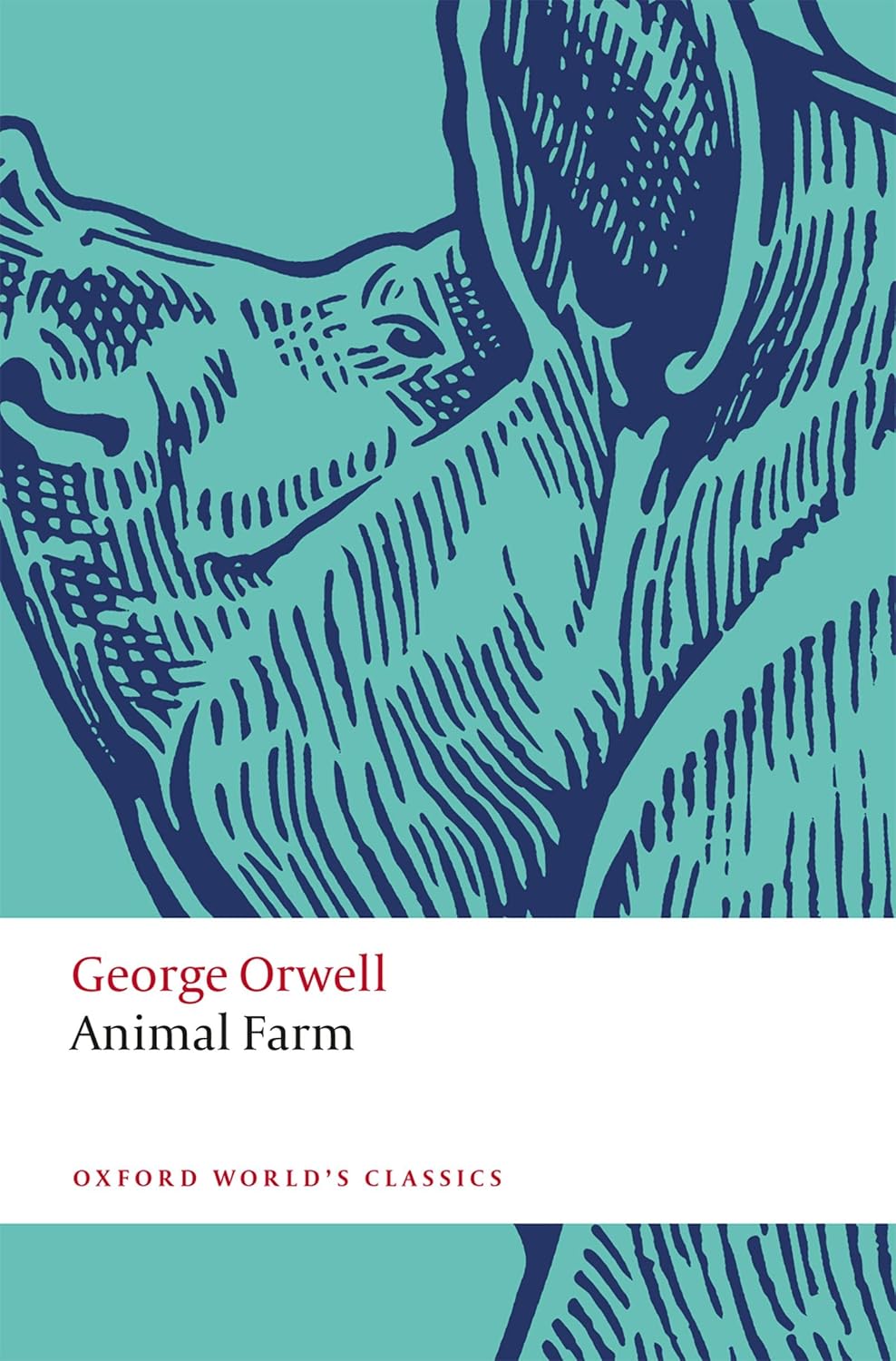
Animal Farm
Animal Farm is a political allegory about a group of farm animals who rebel against their human owner, hoping to establish a society based on equality and shared labour. Initially inspired by the promise of freedom, the animals create their own system of government under the leadership of the pigs. However, Napoleon gradually consolidates power, using propaganda, intimidation, and manipulated rules to suppress opposition. As the pigs adopt the privileges once enjoyed by humans, the original ideals of the revolution are abandoned. Through the animals’ experiences, Orwell examines how political movements can be corrupted by authoritarian ambition and how language can be used to justify inequality. The novella critiques the betrayal of revolutionary ideals, demonstrating how societies seeking liberation can reproduce the very systems of oppression they originally opposed.
United Kingdom
1945