Contemporary Fiction
All countries
Argentina
Armenia
Bahamas
Bosnia and Herzegovina
Botswana
Brunei
Bulgaria
Cameroon
China
Dominican Republic
Egypt
France
Germany
Ghana
India
Iran
Iraq
Italy
Jamaica
Japan
Libya
Mexico
Nigeria
Pakistan
Palestine
Panama
Philippines
Russia
Saudi Arabia
South Korea
Spain
Sweden
Switzerland
Syria
Taiwan
Türkiye
United Arab Emirates
United Kingdom
United States
1
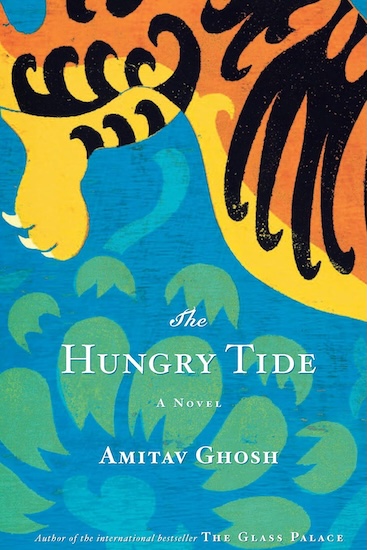
The Hungry Tide
Set in the Sundarbans, a vast archipelago of mangrove forests and tidal rivers on the eastern coast of India, The Hungry Tide brings together three people from different worlds. Piya Roy, an American marine biologist of Indian descent, arrives to study the endangered Irrawaddy dolphins. She meets Fokir, a local fisherman whose intimate knowledge of the waterways makes him an invaluable guide, and Kanai Dutt, a translator and businessman visiting his aunt on the islands. As their lives become intertwined, they encounter the region’s dangerous wildlife, political tensions, and precarious relationship between humans and nature. Through this richly layered story, Amitav Ghosh explores environmental conservation, cultural differences, displacement, and the struggle of vulnerable communities to survive in an unforgiving landscape. The novel examines the complex relationship between people and the natural world, questioning whether scientific knowledge, local traditions, and human ambition can coexist.
India
2004
2
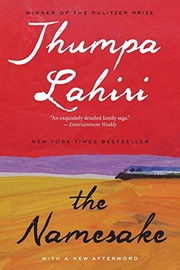
The Namesake
The Namesake follows the Ganguli family as they move from Calcutta to the United States in search of a new life. Their son, Gogol, grows up caught between his Bengali heritage and the American culture in which he was raised. Named after the Russian writer Nikolai Gogol for personal reasons connected to his father’s past, he comes to resent the unusual name that distinguishes him from his peers. As he grows older, Gogol struggles with romantic relationships, family expectations, and the challenge of defining himself independently of his parents’ experiences. Following the family’s journey across several decades, Lahiri explores migration, cultural adaptation, and the complicated relationship between parents and children. The novel examines how names, memories, and inherited traditions shape identity, revealing that belonging is rarely a simple choice between two cultures.
India
2019
3
Heart Lamp
Heart Lamp is a collection of twelve short stories portraying the lives of women and girls in Muslim communities in southern India. Through intimate family dramas, everyday conflicts, and moments of dark humor, Banu Mushtaq explores the effects of patriarchy, religious authority, caste discrimination, and social expectations on women’s lives. Her characters include mothers struggling to protect their children, girls confronting restrictive traditions, and women navigating relationships shaped by unequal power. Written with wit, compassion, and sharp social observation, the stories reveal both the injustices embedded in family and community life and the resilience of those who challenge them. Originally written in Kannada over more than three decades, the collection offers a nuanced portrait of contemporary Indian society. It won the 2025 International Booker Prize in Deepa Bhasthi’s English translation.
India
2025