Classics
All countries
Antigua and Barbuda
Argentina
Armenia
Australia
Austria
Azerbaijan
Bangladesh
Barbados
Belgium
Bosnia and Herzegovina
Brazil
Chile
China
Colombia
Czech Republic
Denmark
Dominica
Dominican Republic
Egypt
Finland
France
Germany
Greece
Hungary
Iceland
India
Indonesia
Iran
Ireland
Italy
Japan
Kenya
Kyrgyzstan
Lebanon
Lithuania
Mexico
Netherlands
Norway
Pakistan
Palestine
Peru
Portugal
Romania
Russia
Saudi Arabia
Spain
Sudan
Sweden
Switzerland
Taiwan
Türkiye
Ukraine
United Kingdom
United States
1
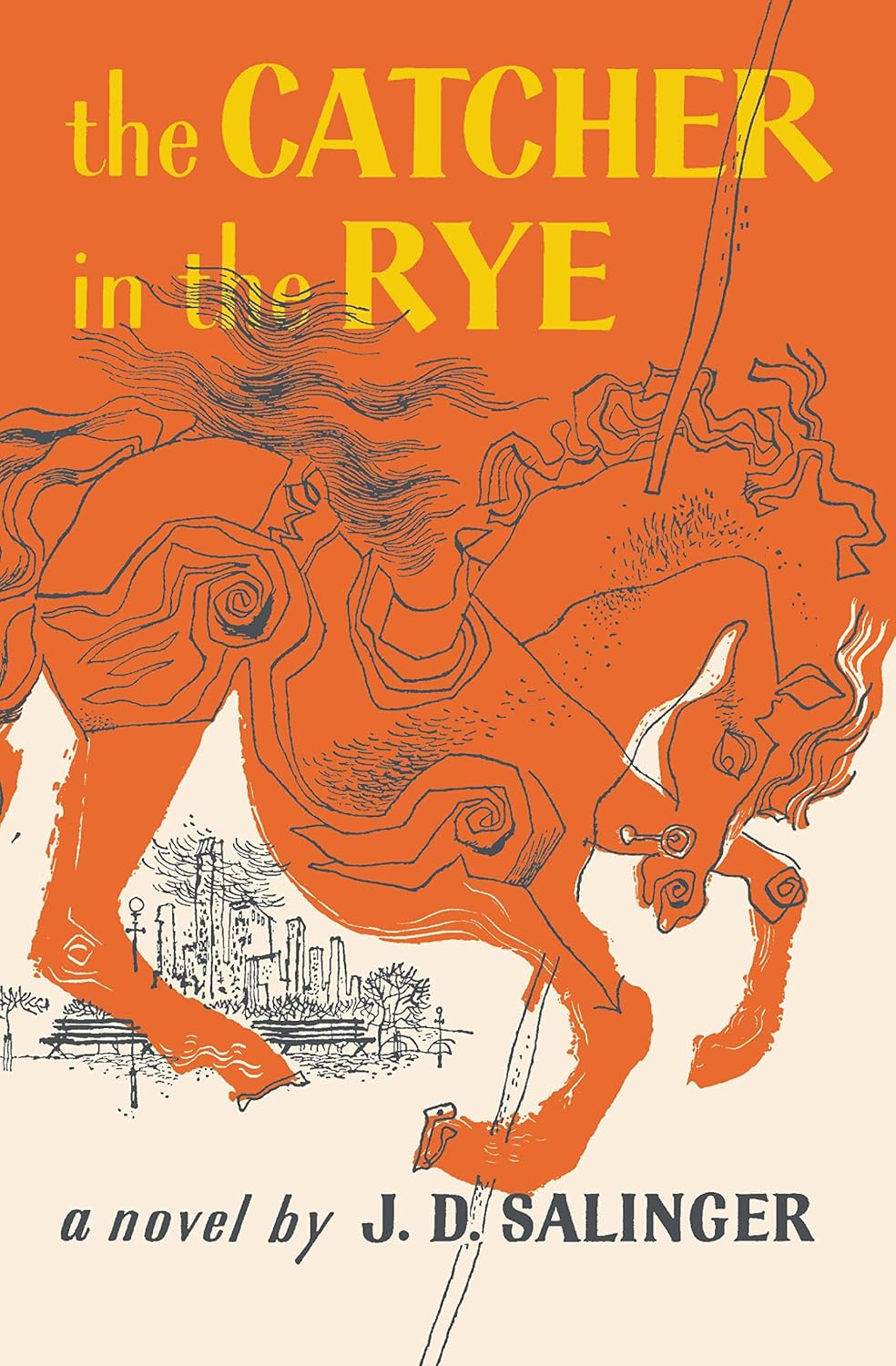
The Catcher in the Rye
The Catcher in the Rye follows Holden Caulfield, a sixteen-year-old who has been expelled from his preparatory school and spends several days wandering around New York City. Alienated from the adults around him, Holden sees the world as dishonest and superficial, yet struggles to understand his own emotions and relationships. Beneath his sarcasm and criticism lies a profound sense of loneliness, grief, and fear of growing up. His encounters with strangers, former classmates, and his younger sister reveal his longing for genuine human connection. Through Holden’s distinctive voice, Salinger captures the confusion and vulnerability of adolescence, exploring the difficult transition from childhood innocence to adulthood.
United States
1951
2
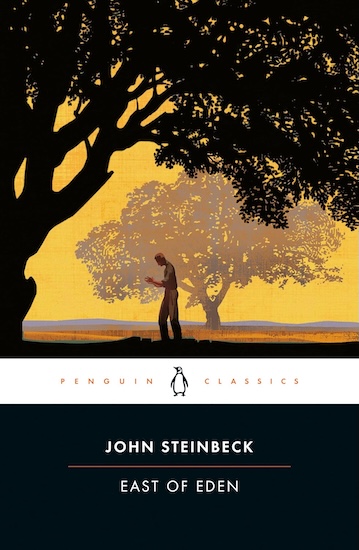
East of Eden
Set in California’s Salinas Valley, East of Eden follows the intertwined lives of the Trask and Hamilton families across several generations. At its heart is a conflict between two brothers, Cal and Aron Trask, whose relationship echoes the biblical story of Cain and Abel. Their struggles with jealousy, parental expectations, love, and belonging raise questions about whether people are destined to repeat the mistakes of their ancestors. Exploring the tension between good and evil, Steinbeck’s epic suggests that individuals are not entirely defined by their past or their nature. They retain the power to make choices that shape their own lives and the lives of those around them.
United States
1952
3
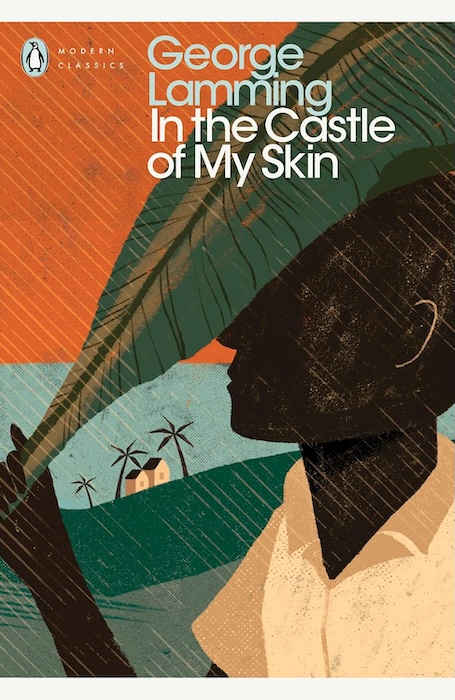
In the Castle of My Skin
In the Castle of My Skin follows G., a boy growing up in a Barbadian village during the final years of British colonial rule. Through his experiences at home, at school, and within his community, the novel explores how colonialism shapes the identities and aspirations of ordinary people. As G. approaches adulthood, he witnesses changes in the village’s social structure, including the decline of traditional authority and the growing desire for political independence. Lamming combines autobiographical elements with lyrical storytelling to examine the relationship between personal development and national transformation. The village becomes a miniature representation of a society struggling to understand its past and imagine its future. The novel reflects on education, class, belonging, and the psychological consequences of colonial domination.
Barbados
1953
4
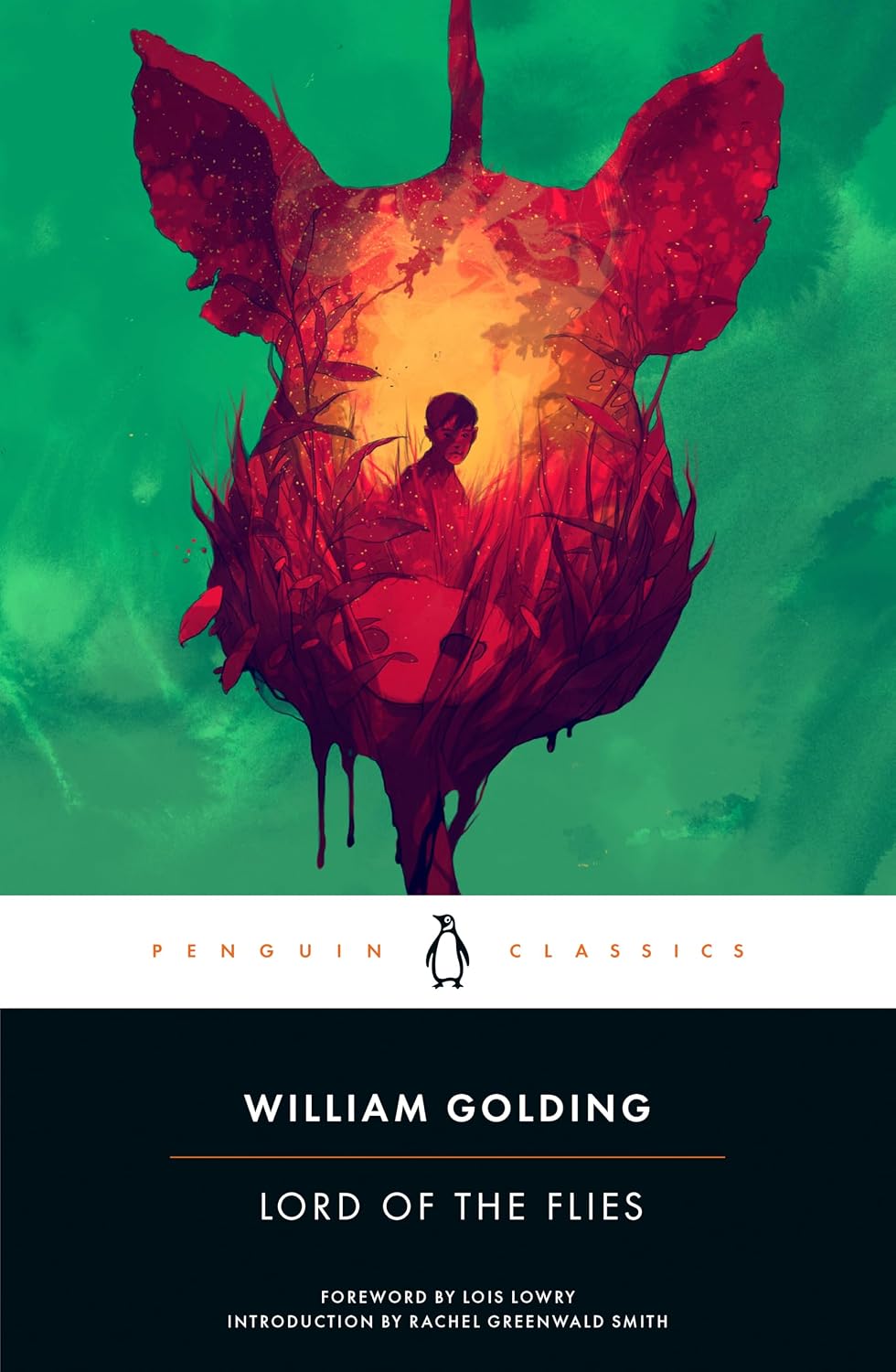
Lord of the Flies
Lord of the Flies follows a group of British schoolboys stranded on an uninhabited tropical island after a plane crash. Without adults to supervise them, the boys attempt to establish rules, distribute responsibilities, and organise their survival. Ralph advocates cooperation and order, while Jack becomes increasingly obsessed with hunting and personal power. As fear spreads and the boys become preoccupied with a mysterious beast they believe inhabits the island, their fragile society begins to collapse into violence. Golding uses their experience to examine the relationship between civilisation and human aggression, questioning whether social rules restrain darker impulses or merely conceal them. The novel explores leadership, fear, conformity, and the vulnerability of collective order, suggesting that the desire for power can destroy cooperation even among people who initially share the same goals.
United Kingdom
1954
5
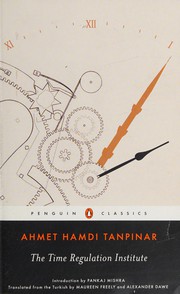
The Time Regulation Institute
The Time Regulation Institute is a satirical novel about a fictional institution established to ensure that everyone in Turkey follows the correct time. Its narrator, Hayri İrdal, recounts his life and the circumstances that lead him to become involved with the institute under the leadership of the charismatic Halit Ayarcı. As the organisation grows, its elaborate procedures and absurd regulations expose the contradictions of a society attempting to modernise rapidly while remaining attached to older traditions. Through bureaucratic absurdities and eccentric characters, Tanpınar explores the tension between Westernisation and cultural heritage in twentieth-century Turkey. The novel questions whether progress can be achieved through administrative reforms alone and whether institutions sometimes create problems merely to justify their own existence. Blending humour with philosophical reflection, it offers a critique of social conformity, bureaucracy, and the human tendency to confuse outward appearances with meaningful change.
Türkiye
1954
6
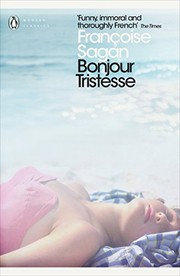
Bonjour Tristesse
Set along the sun-drenched French Riviera, Bonjour Tristesse follows seventeen-year-old Cécile, who spends a carefree summer with her charming, pleasure-seeking father, Raymond, and his young lover, Elsa. Their relaxed existence is disrupted when Anne, a sophisticated and principled woman who was once a friend of Cécile’s late mother, arrives and begins a relationship with Raymond. Fearing that Anne will impose discipline and destroy her freedom, Cécile devises a plan to separate the couple, setting in motion consequences she cannot fully control. Narrated by Cécile as she reflects on that pivotal summer, the novel explores adolescence, jealousy, desire, and the unsettling transition from innocence to adulthood. Sagan’s elegant, restrained prose captures the tensions between personal freedom and emotional responsibility, revealing how selfish choices can lead to irreversible loss.
France
1954
7
The Fall
In a dim Amsterdam bar, Jean-Baptiste Clamence, a former Parisian lawyer, begins an extraordinary confession to a stranger. Once admired for his charm, generosity, and defence of the innocent, he enjoyed a life built on the conviction that he was a good man. But one night, while crossing a Parisian bridge, he hears a woman fall into the river—and does nothing to save her. The memory follows him, gradually dismantling his carefully constructed image of himself.
Now living in Amsterdam, Clamence calls himself a judge-penitent: a man who confesses his own sins while exposing the hypocrisy of others. Through his unsettling monologue, Camus examines guilt, moral responsibility, vanity, and humanity’s need to feel innocent. As Clamence reveals more about himself, readers are drawn into an uncomfortable question: are we truly capable of judging others without confronting our own failures?
Darkly ironic and psychologically penetrating, The Fall is a philosophical exploration of the distance between who we believe ourselves to be and who we really are. Camus transforms one man’s confession into a searching indictment of modern society, challenging readers to examine their own motives, silences, and moral compromises.
France
1956
8
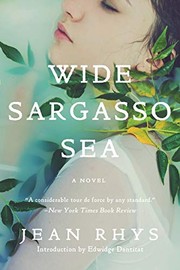
Wide Sargasso Sea
Wide Sargasso Sea reimagines the life of Bertha Mason, the mysterious first wife of Mr Rochester in Charlotte Brontë’s Jane Eyre. Growing up in post-emancipation Jamaica, Antoinette Cosway belongs to a formerly wealthy white Creole family whose social position has become increasingly precarious. Her marriage to an Englishman initially promises security, but cultural misunderstanding, financial interests, and emotional manipulation gradually destroy their relationship. As Antoinette’s husband renames her and questions her sanity, she becomes increasingly alienated from herself and the world around her. Rhys explores colonialism, racial tensions, gender inequality, and the power of men to define women’s identities. By giving a voice to a character marginalised in a canonical English novel, she challenges established literary narratives and examines the devastating consequences of isolation and domination.
Dominica
1956
9
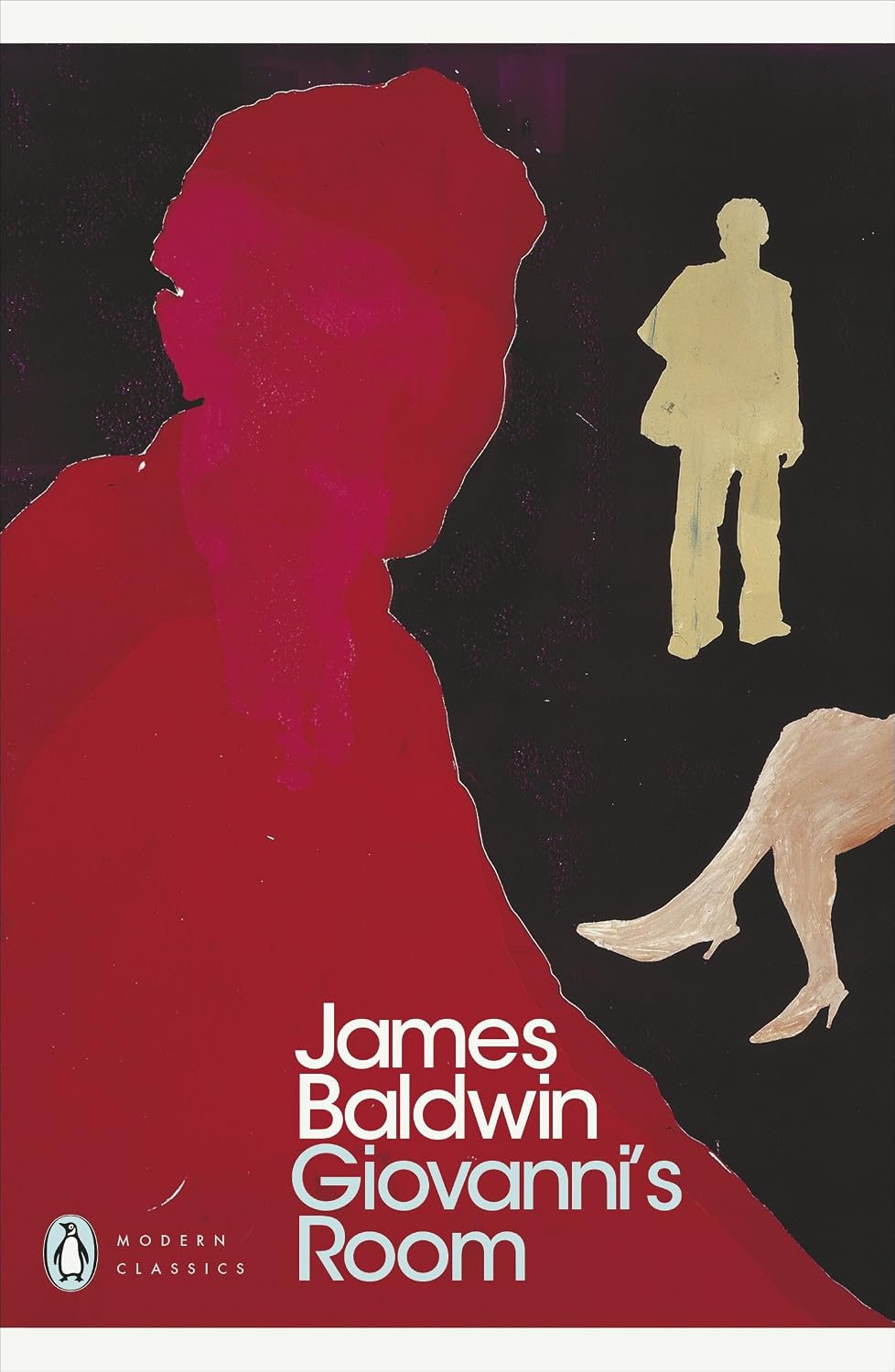
Giovanni's Room
Set primarily in Paris, Giovanni’s Room follows David, an American man struggling with his sexuality, his sense of masculinity, and his expectations for the future. While his fiancée is away, David begins a passionate relationship with Giovanni, an Italian bartender living in a small Parisian room. Unable to reconcile his feelings with the identity he believes society expects him to maintain, David becomes increasingly divided between desire and denial. Their relationship unfolds against a backdrop of isolation, shame, and emotional dependency. Baldwin explores the destructive consequences of refusing to acknowledge one’s own truth, examining how social expectations can shape intimate relationships. The novel is a powerful meditation on love, self-deception, and the courage required to accept oneself.
United States
1956
10
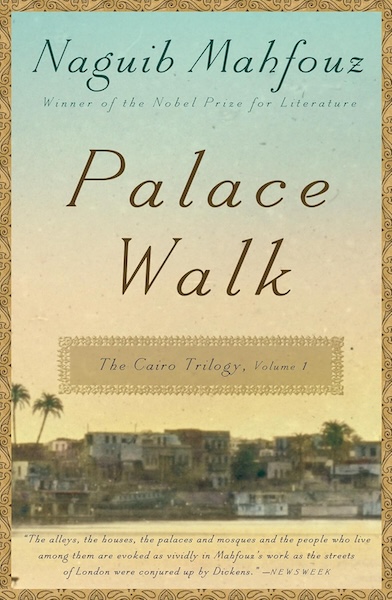
Palace Walk
Palace Walk is the first novel in Naguib Mahfouz’s acclaimed Cairo Trilogy, following the lives of the al-Sayyid family in Cairo during the First World War and the Egyptian nationalist movement of 1919. At the centre of the household is Ahmad Abd al-Jawad, a prosperous merchant who rules his family with absolute authority while secretly indulging in a life of pleasure outside the home. His wife, Amina, remains largely confined to the house, devoted to her husband and children, while their sons and daughters gradually develop ambitions that challenge the traditional values governing their lives.
As political unrest spreads through Egypt, the family’s private struggles reflect the wider tensions between tradition and modernity, religious authority and personal freedom, and colonial rule and national independence. Mahfouz portrays a society undergoing profound transformation, where generational conflicts reveal changing attitudes toward gender, education, and individual choice. Through richly detailed depictions of domestic life in historic Cairo, the novel examines the contradictions of patriarchal power and the ways political change reshapes even the most private relationships.
Egypt
1956
11
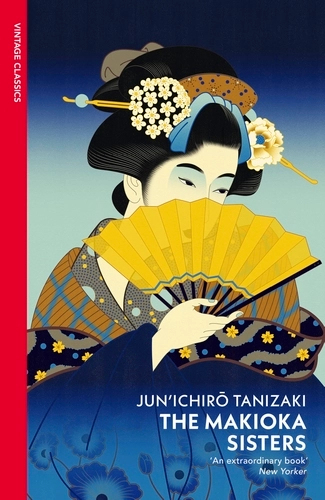
The Makioka Sisters
Set in Osaka and its surrounding areas during the years leading up to the Second World War, The Makioka Sisters follows four women from a once-prosperous merchant family struggling to preserve their social standing as Japanese society undergoes profound change. The story centers on the sisters’ efforts to arrange a suitable marriage for Yukiko, the quiet and reserved third daughter, whose future is complicated by family expectations, social conventions, and a series of unsuccessful matchmaking attempts. Meanwhile, the youngest sister, Taeko, pursues a more independent life, challenging the traditional values that govern her family’s decisions.
Through the sisters’ daily routines, seasonal celebrations, family gatherings, and romantic entanglements, Tanizaki captures the tensions between tradition and modernity in prewar Japan. Beneath the novel’s elegant descriptions of clothing, festivals, and landscapes lies a poignant portrait of a family confronting the gradual erosion of its privilege and influence. The novel explores the bonds between sisters, the pressures of social conformity, and the difficulty of adapting to a changing world. Rich in cultural detail and psychological insight, it is both an intimate family saga and an elegy for a disappearing way of life.
Japan
1957
12
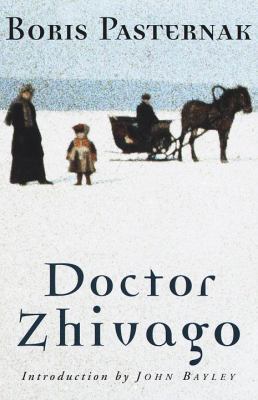
Doctor Zhivago
Doctor Zhivago follows Yuri Zhivago, a physician and poet whose life is transformed by the Russian Revolution and the civil war that follows. As political upheaval destroys established institutions and divides communities, Yuri struggles to reconcile his personal beliefs with the demands of the new order. His marriage to Tonya and his passionate relationship with Lara become entangled with the violence and uncertainty of the era. Forced to move between cities and rural settlements, Yuri witnesses the suffering of ordinary people caught between competing political forces. Pasternak explores the relationship between individual conscience and historical events, examining how love, art, and personal freedom endure under oppressive circumstances. The novel portrays a society in which private lives are repeatedly disrupted by ideological conflict, while poetry becomes a means of preserving human dignity amid destruction.
Russia
1957