Classics
All countries
Antigua and Barbuda
Argentina
Armenia
Australia
Austria
Azerbaijan
Bangladesh
Barbados
Belgium
Bosnia and Herzegovina
Brazil
Chile
China
Colombia
Czech Republic
Denmark
Dominica
Dominican Republic
Egypt
Finland
France
Germany
Greece
Hungary
Iceland
India
Indonesia
Iran
Ireland
Italy
Japan
Kenya
Kyrgyzstan
Lebanon
Lithuania
Mexico
Netherlands
Norway
Pakistan
Palestine
Peru
Portugal
Romania
Russia
Saudi Arabia
Spain
Sudan
Sweden
Switzerland
Taiwan
Türkiye
Ukraine
United Kingdom
United States
1
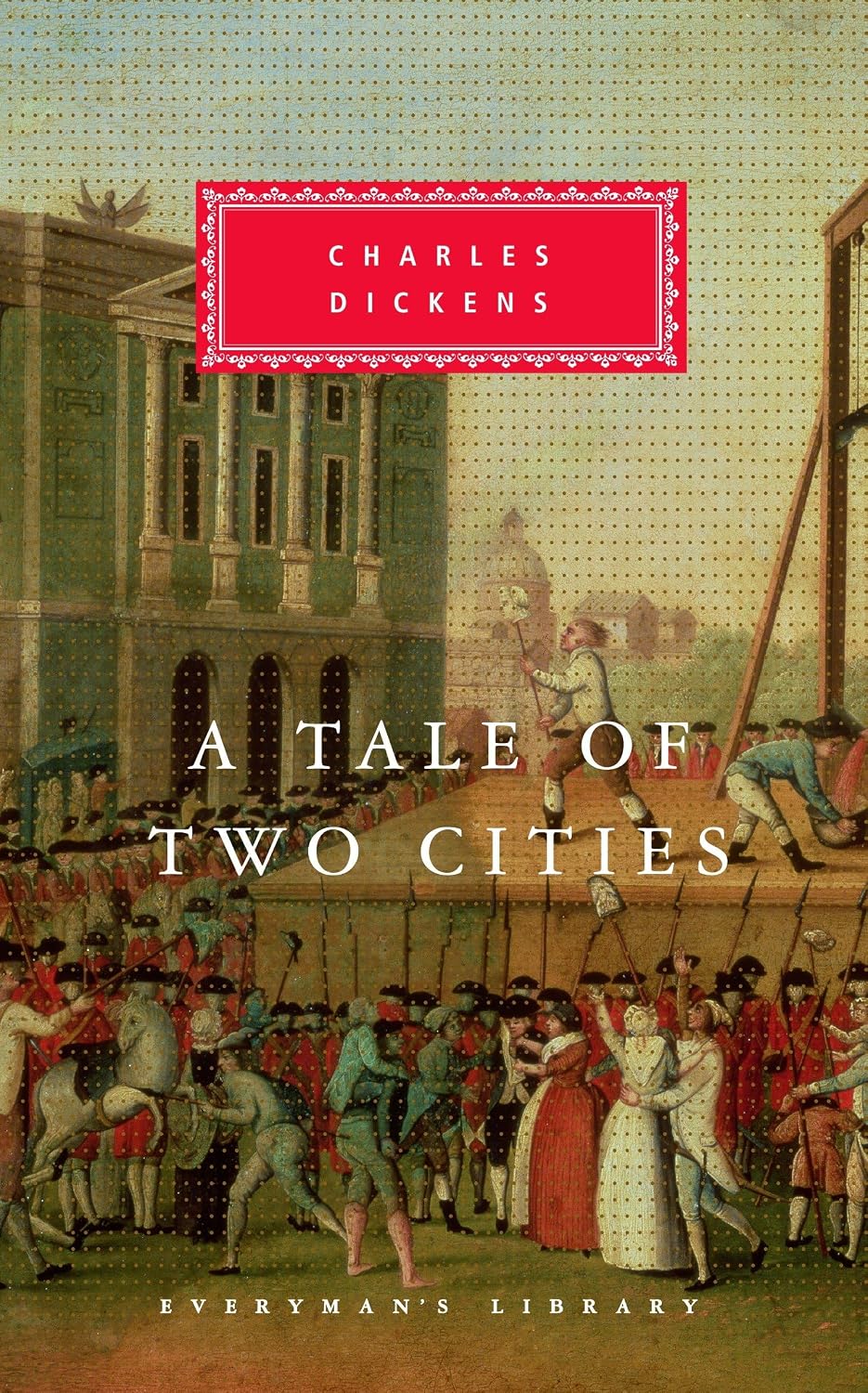
A Tale of Two Cities
A Tale of Two Cities unfolds in London and Paris during the years leading up to and throughout the French Revolution. The story follows Charles Darnay, a French aristocrat who rejects his family’s oppressive traditions, and Sydney Carton, a disillusioned English lawyer whose life appears to lack purpose. Both men love Lucie Manette, whose father has been released after years of imprisonment in the Bastille. As revolutionary violence spreads across France, Darnay’s aristocratic origins place him in danger despite his rejection of inherited privilege. Carton eventually faces a choice that transforms his life and gives the novel its powerful conclusion. Dickens examines injustice, class resentment, political extremism, and the possibility of personal redemption. The novel portrays how cruelty can generate further violence while suggesting that courage and self-sacrifice can preserve humanity in times of upheaval.
United Kingdom
1859
2
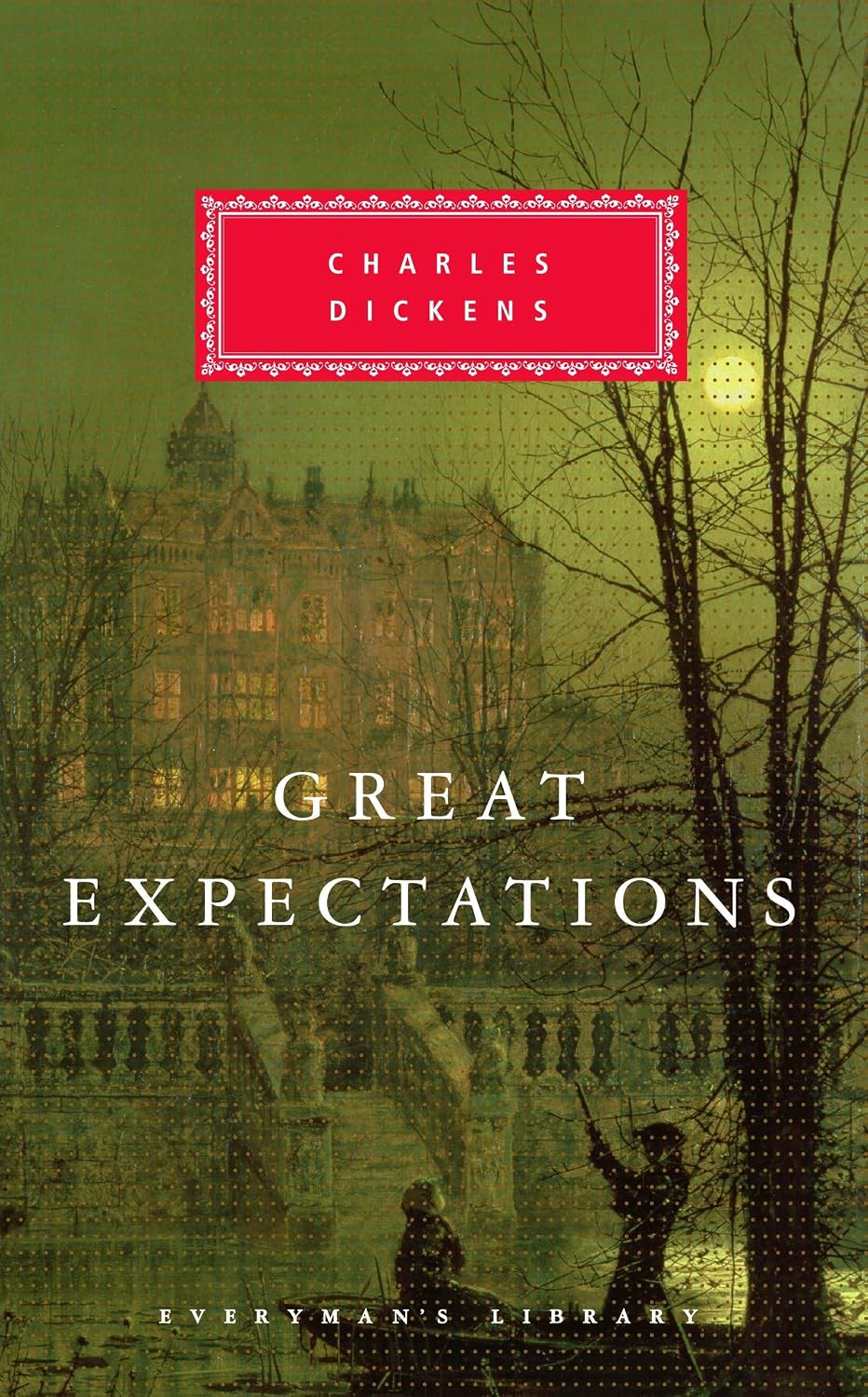
Great Expectations
Great Expectations follows Pip, an orphan raised by his harsh older sister and her kind husband, Joe Gargery. After encountering an escaped convict and becoming acquainted with the wealthy but eccentric Miss Havisham, Pip begins to dream of rising above his humble origins. When he unexpectedly receives money from an anonymous benefactor, he moves to London to become a gentleman, believing that wealth and social status will bring him happiness and the love of Estella, Miss Havisham’s beautiful but emotionally distant ward. As Pip discovers the truth about his fortune, he must confront his own pride and the assumptions he has made about class and respectability. Dickens explores ambition, guilt, loyalty, and moral growth, revealing that genuine worth depends less on social position than on kindness and integrity.
United Kingdom
1861
3
Les Misérables
Set in nineteenth-century France during a period of profound social inequality and political unrest, Les Misérables follows Jean Valjean, a former convict who struggles to rebuild his life after spending nineteen years in prison for stealing bread and attempting to escape. Despite his determination to become an honest man, he is relentlessly pursued by Inspector Javert, who believes that a criminal can never truly change. Valjean’s journey becomes intertwined with the lives of Fantine, a desperately poor woman; Cosette, her neglected daughter whom he raises as his own; and Marius, a young revolutionary caught up in the Paris uprising of 1832. Through their intersecting stories, Hugo explores poverty, injustice, sacrifice, love, and the possibility of redemption. Blending intimate human struggles with sweeping historical events, the novel offers a powerful critique of a society that punishes the vulnerable while questioning whether compassion and moral courage can overcome even the deepest forms of suffering.
France
1862
4
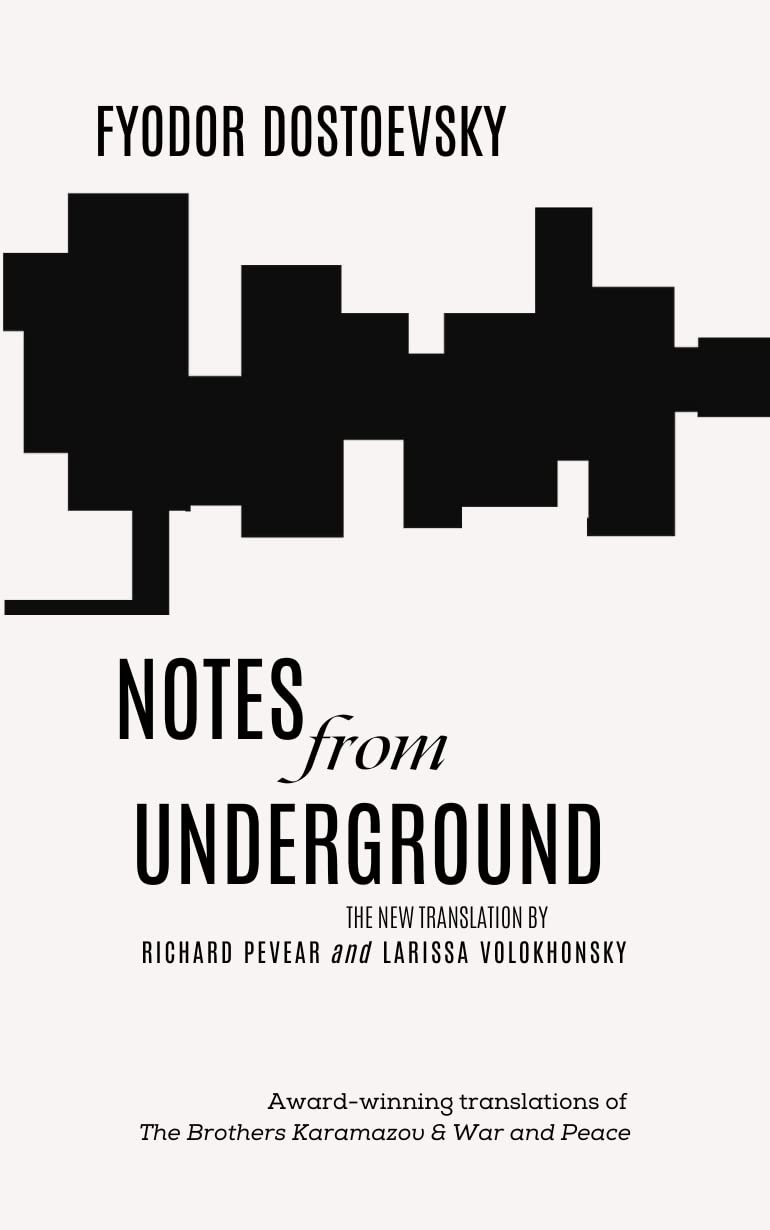
Notes from Underground
Notes from Underground is a psychological novella narrated by a bitter, isolated former civil servant living in St. Petersburg. Known only as the Underground Man, he addresses the reader directly, reflecting on his resentment toward society, his own contradictions, and his inability to form meaningful relationships. In the first part, he challenges the belief that human behaviour can be explained entirely through reason and self-interest, arguing that people may deliberately act against their own interests simply to assert their freedom.
The second part recounts episodes from his earlier life, including a humiliating encounter with former schoolmates and a disturbing relationship with Liza, a young woman working in a brothel. Although he briefly experiences the possibility of genuine human connection, his pride and fear of vulnerability lead him to reject it.
Through its unreliable narrator and intense introspection, Dostoevsky explores alienation, free will, self-sabotage, and the conflict between the desire for connection and the impulse to withdraw from the world.
Russia
1864
5

Crime and Punishment
Set in the impoverished streets of nineteenth-century St. Petersburg, Crime and Punishment follows Rodion Raskolnikov, a former student who develops a theory that extraordinary individuals may be entitled to transgress moral laws for a greater purpose. Driven by poverty, pride, and his desire to prove his own superiority, he commits a brutal double murder. However, rather than achieving the freedom he imagined, Raskolnikov becomes consumed by guilt, paranoia, and psychological torment. As he struggles to conceal his crime, he encounters people who challenge his worldview, particularly Sonya Marmeladova, a young woman whose faith and compassion offer him a possible path toward redemption. Through intense psychological exploration, Dostoevsky examines morality, free will, suffering, and the conflict between intellectual justification and human conscience. The novel asks whether anyone can rise above ordinary moral obligations and explores how confronting one’s own humanity may be the first step toward transformation.
Russia
1866
6
War and Peace
Set in Russia during the Napoleonic Wars, War and Peace follows the lives of several aristocratic families as their personal struggles unfold against the backdrop of invasion, political upheaval, and social transformation. The novel centres on three main characters: Pierre Bezukhov, an idealistic and searching young man; Prince Andrei Bolkonsky, a disillusioned aristocrat seeking meaning and glory; and Natasha Rostova, a spirited young woman whose experiences of love and loss shape her coming of age. As Napoleon’s army advances into Russia, the characters confront the devastating realities of war, the fragility of human ambition, and the unpredictability of fate. Blending intimate family dramas with sweeping historical events, Tolstoy questions the idea that history is shaped by a handful of powerful individuals, instead emphasising the countless ordinary choices that influence the world. The novel is a profound exploration of love, mortality, freedom, and the search for meaning amid the chaos of history.
Russia
1869
7

The Idiot
The Idiot follows Prince Lev Myshkin, a gentle and compassionate young man who returns to Russia after spending several years in a Swiss sanatorium receiving treatment for epilepsy. His sincerity, honesty, and lack of social pretension set him apart in the sophisticated but morally compromised world of St. Petersburg’s aristocracy, where his kindness is often mistaken for weakness or foolishness.
Myshkin becomes entangled in the lives of two women: Nastasya Filippovna, a beautiful woman haunted by past abuse and social humiliation, and Aglaya Yepanchina, a young woman drawn to the prince’s unusual character. As jealousy, romantic rivalry, and competing social ambitions intensify, Myshkin struggles to reconcile his ideal of unconditional compassion with the destructive realities of human behaviour.
Through its psychologically complex characters, Dostoevsky examines innocence, faith, suffering, pride, and the contradictions of human nature. The novel asks whether genuine goodness can survive in a society shaped by vanity, greed, and cruelty.
Russia
1869
8
Middlemarch
Middlemarch portrays life in a provincial English town during the early nineteenth century, following a wide network of characters whose ambitions and relationships reveal the complexities of social change. Dorothea Brooke, an idealistic young woman, longs to lead a meaningful life but finds herself trapped in a disappointing marriage to the elderly scholar Edward Casaubon. Meanwhile, the ambitious doctor Tertius Lydgate hopes to reform medical practice but becomes increasingly constrained by financial pressures and social expectations. Their stories intersect with those of other residents whose decisions reflect the influence of class, money, reputation, and political change. Eliot examines the gap between personal aspirations and the realities of everyday life, showing how even well-intentioned individuals can cause harm through ignorance or pride. The novel explores marriage, moral responsibility, and the quiet ways people influence one another’s futures.
United Kingdom
1871
9
Adventures of Tom Sawyer
The Adventures of Tom Sawyer follows an imaginative, mischievous boy growing up in a small town along the Mississippi River. Tom regularly avoids schoolwork and household responsibilities in favour of games, pranks, and elaborate fantasies. Alongside his friend Huckleberry Finn, he experiences adventures that range from pretending to be a pirate to witnessing a murder and becoming involved in a dangerous search for hidden treasure. Beneath its humour and lively depictions of childhood, the novel explores the tensions between freedom and social expectations. Tom’s experiences gradually teach him about courage, loyalty, responsibility, and the consequences of his actions. Twain’s portrayal of small-town American life also offers a satirical look at adult hypocrisy, superstition, and the institutions that shape children’s lives.
United Kingdom
1876
10
Anna Karenina
Anna Karenina explores love, marriage, family, and social expectations in nineteenth-century Russian society. Anna, an aristocratic woman trapped in an unhappy marriage, falls passionately in love with Count Vronsky, a military officer. Their relationship challenges the conventions of a society that grants men and women very different freedoms, exposing Anna to scandal and increasing isolation. Alongside her story, the novel follows Konstantin Levin, a landowner searching for meaning through work, family life, and spiritual reflection. As their lives unfold, Tolstoy examines the contradictions between personal happiness and social duty, revealing the consequences of hypocrisy and rigid moral standards. Through its complex characters and detailed portrayal of Russian life, the novel considers whether genuine fulfilment can be achieved within the expectations imposed by society.
Russia
1878
11
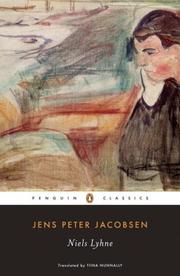
Niels Lyhne
Niels Lyhne follows a young Danish man who grows up dreaming of becoming a poet and struggles to reconcile his artistic ambitions with the realities of adult life. Raised in a world shaped by religious traditions, Niels gradually develops a sceptical worldview, rejecting Christianity in favour of a belief in human reason and the possibility of living without religious faith. Yet his intellectual convictions offer little protection against the emotional turmoil, disappointments, and losses that shape his life.
Through Niels’s relationships, artistic aspirations, and encounters with suffering, Jens Peter Jacobsen explores the tension between idealism and reality. The novel examines love, mortality, the limits of human understanding, and the search for meaning in a universe that offers no clear answers. Considered an important work of European naturalism, Niels Lyhne challenges traditional religious beliefs while questioning whether rational thought alone can provide comfort in times of crisis. Its deeply introspective protagonist embodies the struggle to live authentically without relying on spiritual certainty.
Denmark
1880
12

Heidi (Puffin in Bloom)
Heidi tells the story of a young orphaned girl who is sent to live with her reclusive grandfather in a small Alpine village in Switzerland. Initially unfamiliar with her new surroundings, Heidi soon develops a deep affection for her grandfather and the breathtaking mountain landscape. She befriends Peter, a young goatherd, and discovers the joys of life outdoors, surrounded by wildflowers, fresh air, and mountain animals. However, her happiness is interrupted when she is taken to Frankfurt to serve as a companion to Clara, a wealthy girl who cannot walk. Although Heidi struggles with homesickness, her warmth and kindness bring joy to those around her. Through themes of friendship, compassion, and the healing power of nature, Johanna Spyri celebrates the importance of belonging, simple pleasures, and the emotional connection between people and their environment.
Switzerland
1881