Classics
All countries
Antigua and Barbuda
Argentina
Armenia
Australia
Austria
Azerbaijan
Bangladesh
Barbados
Belgium
Bosnia and Herzegovina
Brazil
Chile
China
Colombia
Czech Republic
Denmark
Dominica
Dominican Republic
Egypt
Finland
France
Germany
Greece
Hungary
Iceland
India
Indonesia
Iran
Ireland
Italy
Japan
Kenya
Kyrgyzstan
Lebanon
Lithuania
Mexico
Netherlands
Norway
Pakistan
Palestine
Peru
Portugal
Romania
Russia
Saudi Arabia
Spain
Sudan
Sweden
Switzerland
Taiwan
Türkiye
Ukraine
United Kingdom
United States
1
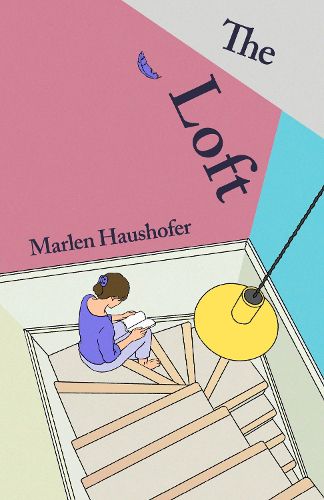
The Loft
In The Loft, an Austrian housewife finds refuge from her monotonous domestic life in an attic where she draws birds, insects and other creatures. Her marriage to Hubert, a dissatisfied lawyer, has settled into emotional distance, while her grown-up children have left home. Although her days appear ordinary, the narrator carries memories of a disturbing episode from twenty years earlier, when a sudden loss of hearing led her husband to send her to a remote cottage to recover. One day, mysterious packages arrive containing extracts from her old diary, forcing her to confront an experience she has tried to forget. As the past intrudes upon her carefully ordered present, the boundaries between memory, repression and self-understanding begin to shift. With quiet psychological intensity, Haushofer examines the loneliness hidden within conventional family life, the constraints placed on women, and the private spaces people create to preserve their individuality. The attic becomes both a sanctuary and a symbol of the narrator’s struggle to understand herself beyond the roles imposed upon her.
Austria
2011
2
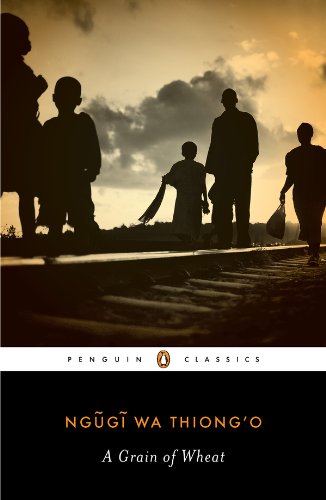
A Grain of Wheat
Set in Kenya in the days leading up to independence from British colonial rule, A Grain of Wheat explores the sacrifices, betrayals, and moral compromises behind a nation’s struggle for freedom. The novel centres on Mugo, a quiet villager whom his community regards as a hero because of his suffering during the colonial government’s emergency rule. As the village prepares to celebrate independence, however, hidden truths about the resistance movement begin to emerge. Through interconnected stories of former freedom fighters, their families, and their neighbours, Ngũgĩ examines the lasting consequences of colonial violence and the complicated legacy of resistance. The novel asks what it means to be a hero, how communities remember their past, and whether political independence can bring genuine reconciliation when individuals remain haunted by guilt and betrayal.
Kenya
2012
3
The Passion According to G.H.
In The Passion According to G.H., a wealthy sculptor in Rio de Janeiro experiences a profound existential crisis after entering her former maid’s room and encountering a cockroach. What begins as an ordinary domestic moment transforms into a disturbing confrontation with her identity, humanity, and understanding of existence. Through an intense stream of consciousness, Clarice Lispector explores the boundaries between self and other, human and animal, and the sacred and the material. As G.H.’s familiar sense of self begins to dissolve, she confronts the unsettling possibility that true understanding requires abandoning the illusions that define human identity. The novel is a challenging philosophical exploration of consciousness, transformation, and the search for meaning beyond conventional beliefs.
Brazil
2012
4
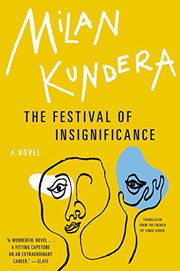
The Festival of Insignificance
The Festival of Insignificance is a playful, philosophical novel in which Milan Kundera explores the absurdity of human existence through the conversations and encounters of four friends in Paris. Alain, Ramón, Charles, and Caliban navigate everyday life while reflecting on vanity, ageing, politics, and the seemingly trivial details that shape human relationships. Their discussions range from the meaning of the human navel to Stalin’s peculiar anecdotes, blending absurd humour with reflections on history, mortality, and the performance of identity. Rather than following a conventional plot, the novel unfolds as a series of interconnected episodes that question humanity’s tendency to assign excessive importance to personal grievances, ambitions, and public events. Kundera suggests that recognising the insignificance underlying much of human life can become a source of freedom, allowing people to approach the world with greater lightness and less resentment. Through irony and philosophical wit, the novel offers a meditation on the fragile boundary between the meaningful and the trivial, inviting readers to reconsider what truly deserves their attention.
Czech Republic
2014
5
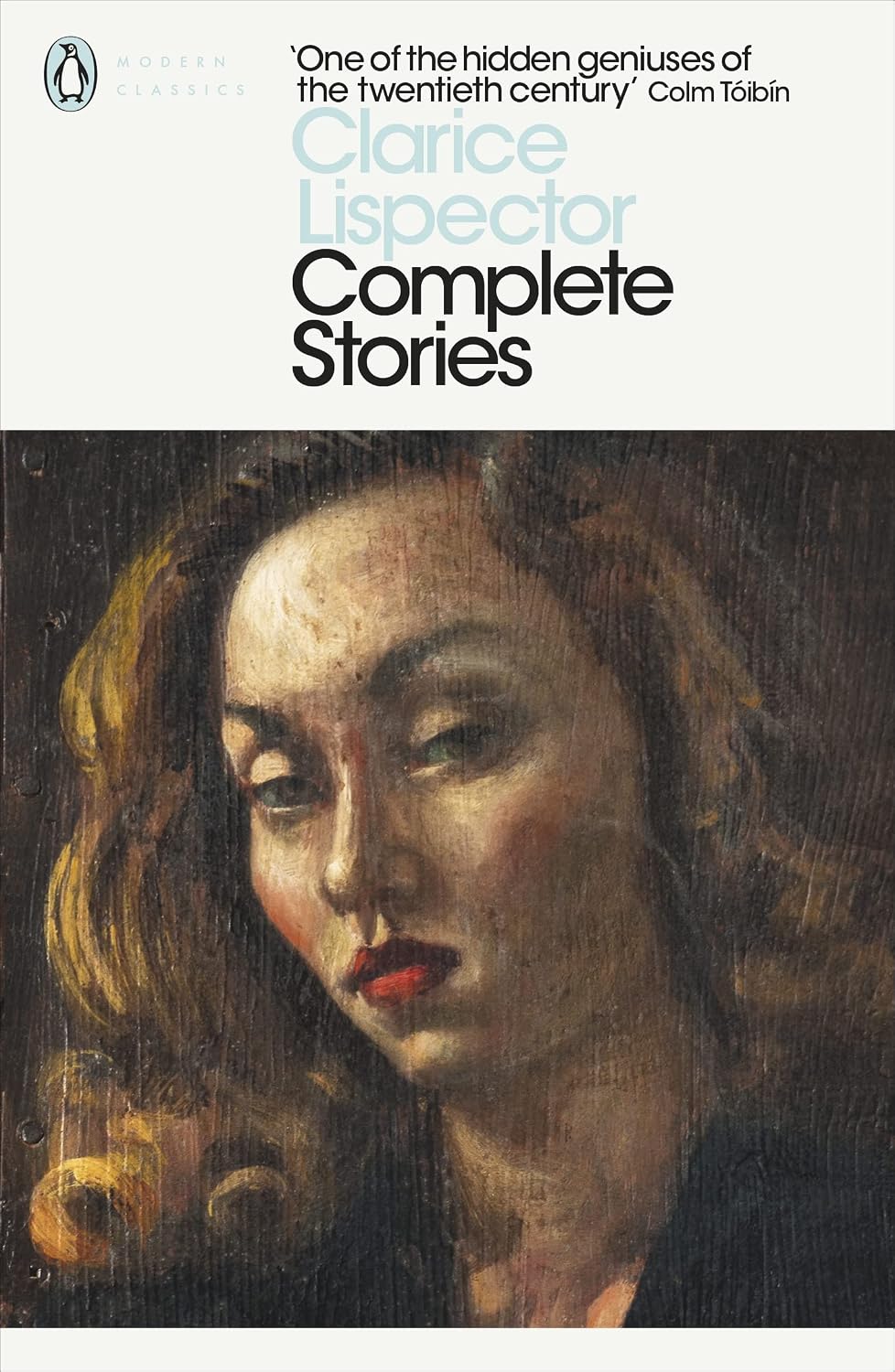
Complete Stories
Complete Stories brings together the short fiction of Clarice Lispector, spanning her entire career and revealing the extraordinary range of one of Brazil’s most influential literary voices. Across stories set in ordinary homes, crowded cities, and unfamiliar landscapes, Lispector explores the hidden emotional lives of women, children, domestic workers, and other characters whose everyday experiences conceal profound inner conflicts.
Often beginning with seemingly insignificant moments—a conversation, a household routine, an encounter with an animal—her stories gradually uncover unsettling questions about identity, desire, freedom, and the nature of existence. Characters experience sudden revelations that disrupt their familiar understanding of themselves and the world, exposing the tension between social expectations and private impulses. Lispector’s distinctive prose combines psychological intensity, philosophical reflection, and unexpected humour, frequently blurring the boundaries between the ordinary and the surreal. Rather than offering clear resolutions, these stories invite readers into the uncertainties of consciousness and the complexity of being human.
Brazil
2015
6
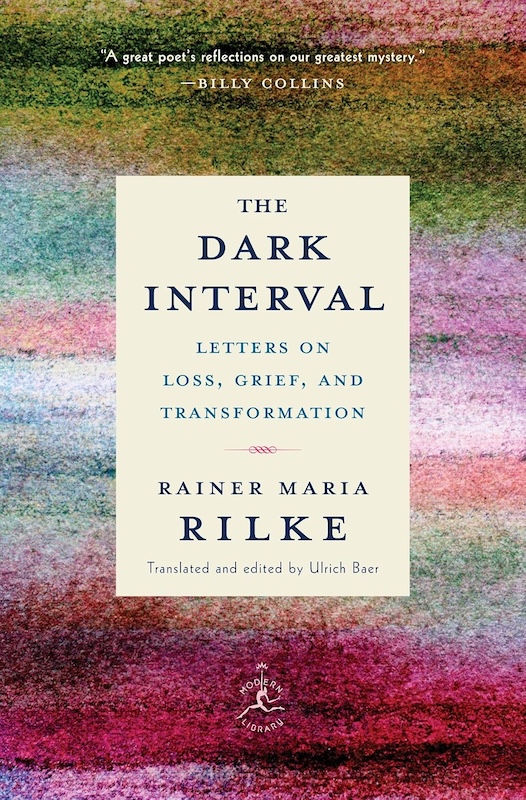
The Dark Interval
Gleaned from Rainer Maria Rilke's voluminous, never-before-translated letters to bereaved friends and acquaintances, The Dark Interval is a profound vision of the mourning process and a meditation on death's place in our lives. Following the format of Letters to a Young Poet, this book arranges Rilke's letters into an uninterrupted sequence, showcasing the full range of the great author's thoughts on death and dying, as well as his sensitive and moving expressions of consolation and condolence. Presented with care and authority by master translator Ulrich Baer, The Dark Interval is a literary treasure, an indispensable resource for anyone searching for solace, comfort, and meaning in a time of grief.
Austria
2018
7
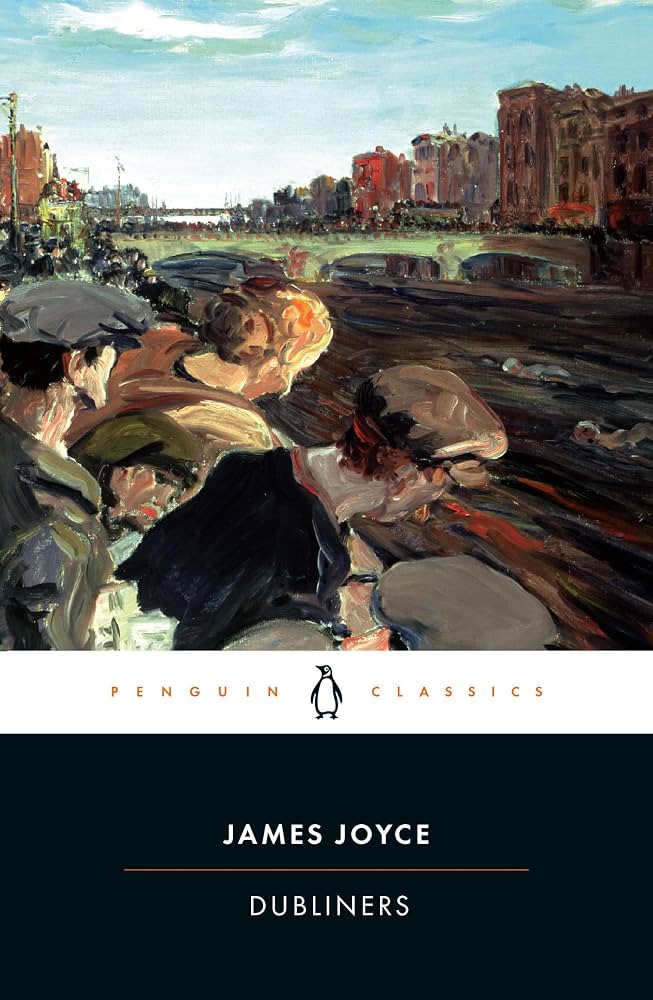
Dubliners
Dubliners is a collection of fifteen short stories portraying the lives of ordinary people in Dublin at the beginning of the twentieth century. The stories follow children, adolescents, adults, and elderly characters as they confront family obligations, unfulfilled ambitions, religious expectations, and the limitations of their social environment. Some experience moments of sudden insight that reveal the compromises and disappointments shaping their lives, while others remain trapped by fear, habit, or economic necessity. Joyce presents Dublin as a city where political stagnation, social conventions, and the influence of the Catholic Church affect even the most private decisions. His restrained prose captures the significance of everyday encounters and seemingly minor events. The collection explores paralysis, longing, and the desire for escape, offering a powerful portrait of individuals who recognise the possibility of change but often struggle to act upon it.
Ireland
2022
8
I Who Have Never Known Men
I Who Have Never Known Men follows an unnamed young woman imprisoned underground with thirty-nine other women. Guarded by silent male soldiers, the women live in a confined space, deprived of privacy, freedom, and meaningful knowledge of the outside world. Unlike her fellow prisoners, who remember their lives before captivity, the narrator has no memories of the world beyond the prison and has never experienced ordinary human relationships.
When an unexpected event allows the women to escape, they emerge into an unfamiliar landscape that appears almost entirely devoid of human life. Forced to survive together, they search for answers about their captivity and the fate of humanity, but the world offers few explanations. As time passes, the narrator struggles to understand concepts such as love, sexuality, memory, and death without having experienced them in the ways others have.
Blending dystopian fiction with philosophical reflection, Harpman’s novel explores freedom, loneliness, human nature, and what it means to be human when society and its inherited knowledge have disappeared.
Belgium
2022
9
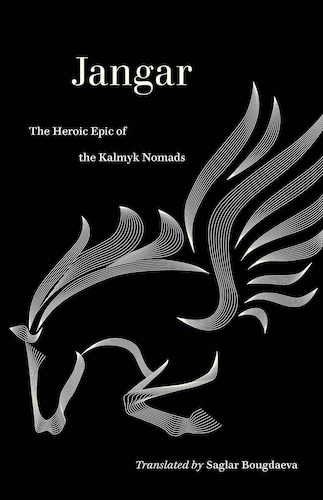
Jangar: The Heroic Epic of the Kalmyk Nomads
For centuries, the Kalmyk people of the Eurasian steppe have preserved Jangar, a magnificent heroic epic celebrating courage, loyalty, and the survival of their nomadic culture. At its centre is Jangar, the legendary ruler of Bumba, a mythical land of abundance and harmony where seventy kingdoms unite under his leadership. Surrounded by extraordinary warriors, Jangar defends his homeland against formidable enemies, monstrous giants, and rival rulers. His companions undertake daring quests, rescue captives, defeat powerful adversaries, and demonstrate remarkable feats of strength and bravery. Blending fantastical adventures with lyrical descriptions of horses, feasts, battles, and the steppe landscape, the epic reflects the ideals and aspirations of the Kalmyk people. Preserved through generations of oral performance by traditional storytellers, Jangar also bears witness to a culture that has endured conquest, displacement, and political repression. Saglar Bougdaeva’s English translation introduces international readers to this remarkable literary heritage, restoring a largely overlooked masterpiece of Eurasian oral literature to the world.
Russia
2023
10
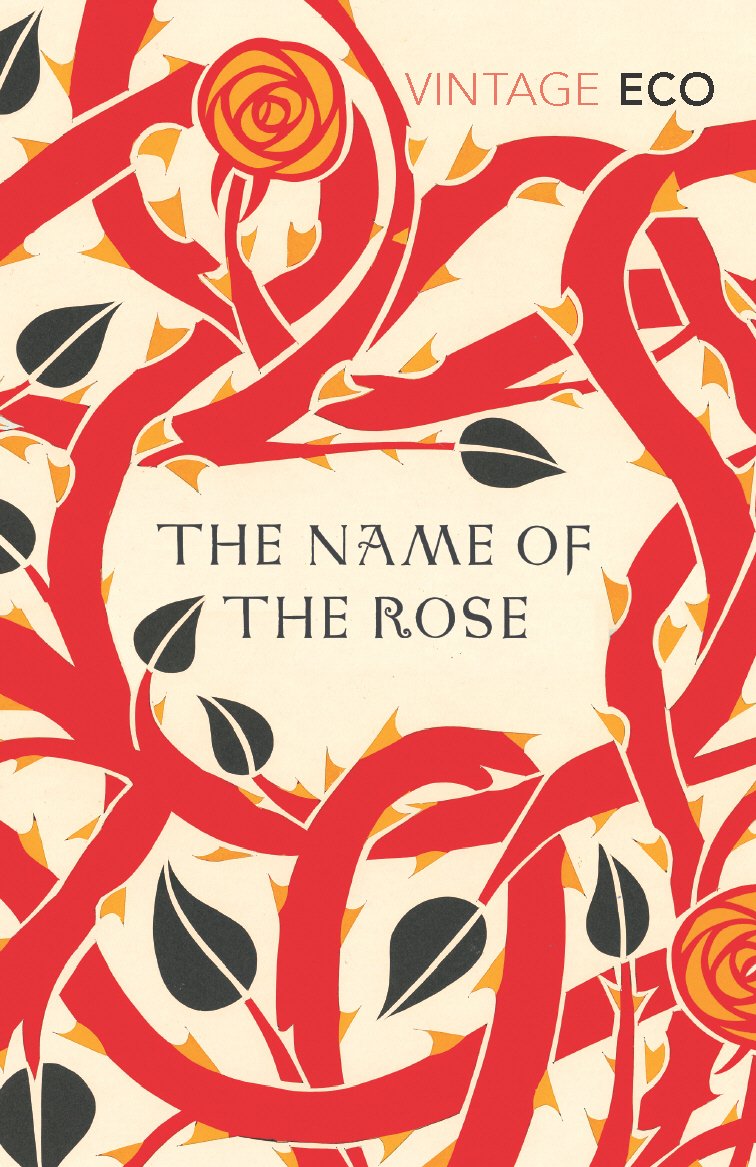
Name of the Rose
The Name of the Rose is a historical mystery set in an Italian Benedictine abbey in 1327. William of Baskerville, a Franciscan friar with a sharp analytical mind, arrives with his young assistant Adso of Melk just as a series of mysterious deaths begins to trouble the monastery. As William investigates, he discovers that the abbey’s extraordinary library contains forbidden knowledge and that disagreements over religious doctrine have created dangerous rivalries among the monks. The investigation becomes a struggle over the relationship between faith, reason, and the control of information. Eco combines medieval history, detective fiction, and philosophical debate to explore censorship, institutional authority, and the power of books. The novel asks whether knowledge can remain free when institutions fear the consequences of questioning established beliefs, revealing how the pursuit of truth can become dangerous in a world governed by rigid authority.
Italy
2023
11
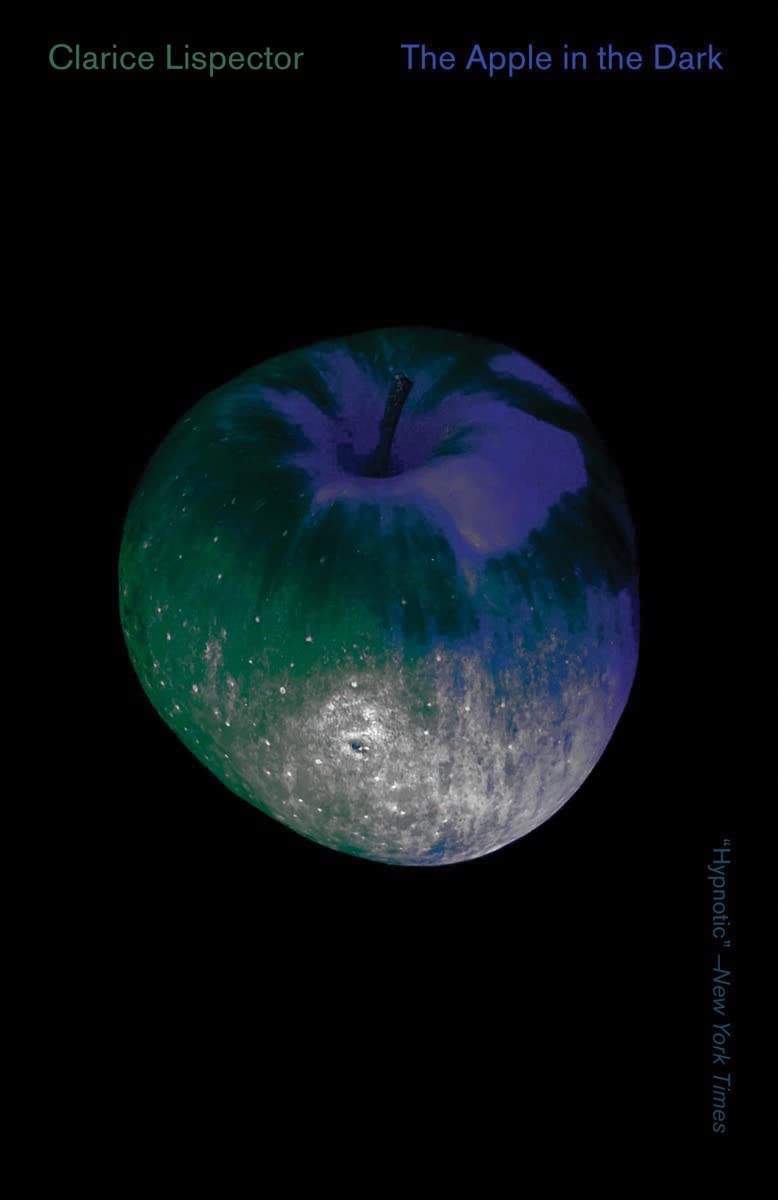
Apple in the Dark
The Apple in the Dark follows Martim, a man who flees his home after believing he has committed a terrible act against his wife. Seeking refuge in the Brazilian countryside, he finds work on a remote farm owned by two women, Vitória and Ermelinda. Away from the structures of his former life, Martim begins to experience the world as if he were discovering it for the first time. His escape becomes a profound journey into the nature of consciousness, language, morality, and personal identity. Through introspective prose and philosophical reflections, Clarice Lispector explores what remains of a person when familiar social roles and established beliefs fall away. Rather than offering a conventional narrative of guilt and redemption, the novel examines the unsettling possibility of creating oneself anew. It is a deeply existential work about freedom, responsibility, and the struggle to understand what it means to be human.
Brazil
2023
12
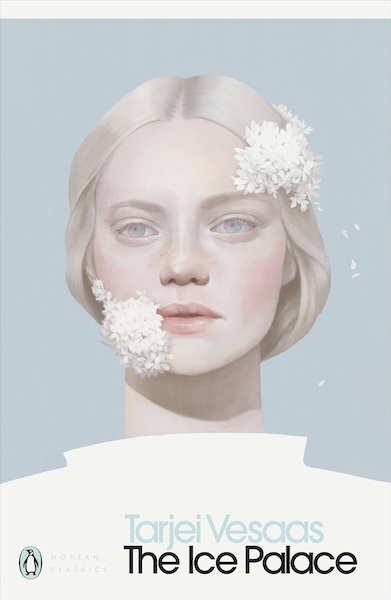
The Ice Palace
Two girls. One unforgettable encounter. A frozen world hiding secrets that words cannot express.
Eleven-year-old Siss is confident, outgoing, and well-liked by her classmates. Unn, who has recently arrived in their small Norwegian village to live with her aunt, is her opposite: withdrawn, mysterious, and burdened by a private grief. When the girls spend an evening together, they form an intense connection that neither can fully understand. But the following day, Unn disappears after venturing into a spectacular frozen waterfall known as the Ice Palace—a labyrinth of shimmering chambers sculpted by winter itself.
As the village searches for Unn, Siss struggles with the loss of a friendship that had barely begun. Unable to explain what passed between them, she withdraws into silence, carrying Unn’s memory like a secret of her own.
With hauntingly beautiful prose, Tarjei Vesaas transforms the Norwegian winter landscape into a reflection of loneliness, grief, and the mysteries of human connection. The Ice Palace is a quiet, deeply moving novel about childhood, loss, and the invisible bonds that can change us forever. It won the Nordic Council Literature Prize in 1964.
Norway
2025