Classics
All countries
Antigua and Barbuda
Argentina
Armenia
Australia
Austria
Azerbaijan
Bangladesh
Barbados
Belgium
Bosnia and Herzegovina
Brazil
Chile
China
Colombia
Czech Republic
Denmark
Dominica
Dominican Republic
Egypt
Finland
France
Germany
Greece
Hungary
Iceland
India
Indonesia
Iran
Ireland
Italy
Japan
Kenya
Kyrgyzstan
Lebanon
Lithuania
Mexico
Netherlands
Norway
Pakistan
Palestine
Peru
Portugal
Romania
Russia
Saudi Arabia
Spain
Sudan
Sweden
Switzerland
Taiwan
Türkiye
Ukraine
United Kingdom
United States
1
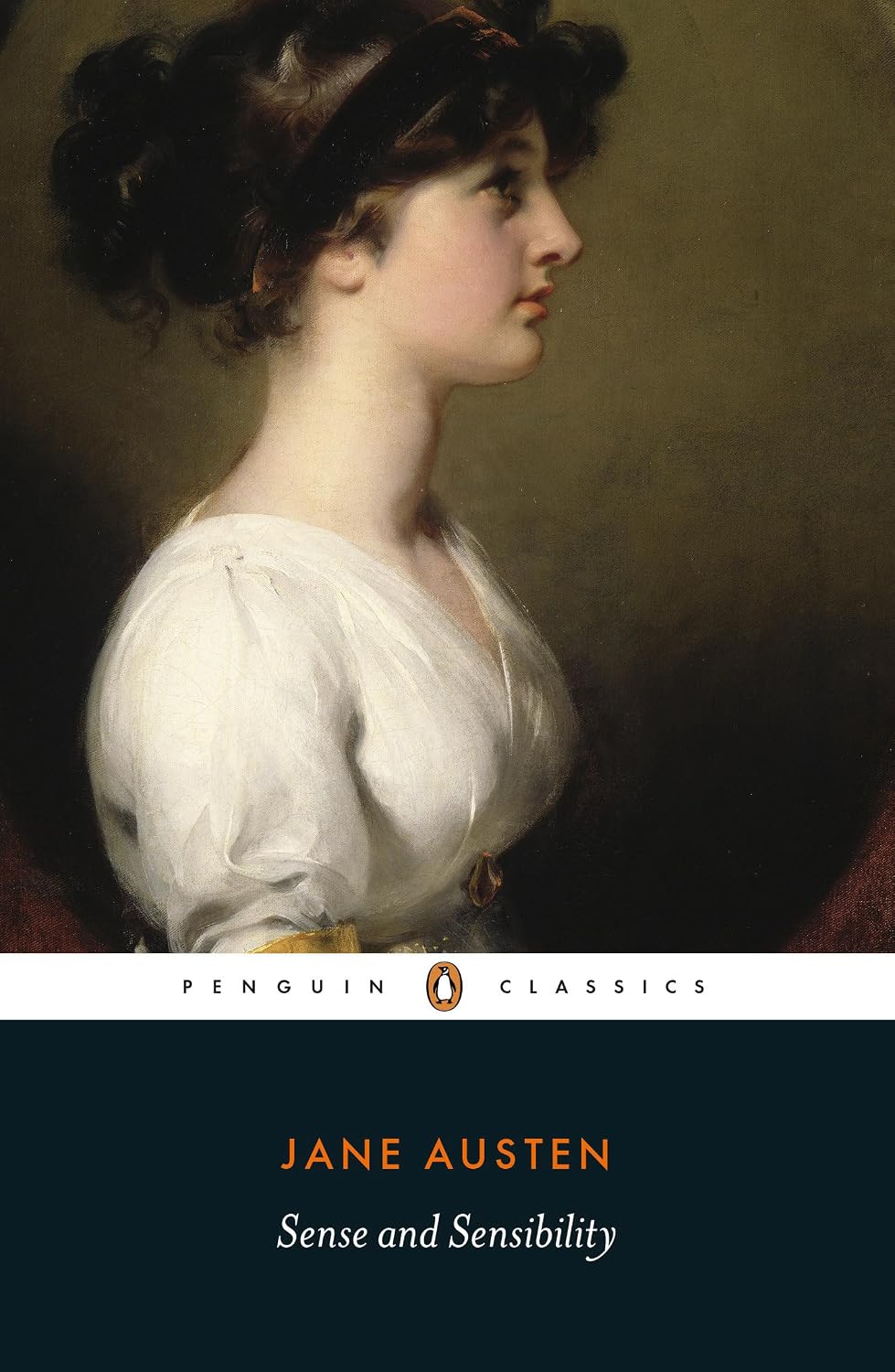
Sense and Sensibility
Sense and Sensibility follows sisters Elinor and Marianne Dashwood, whose lives change dramatically after their father’s death leaves them financially vulnerable. Forced to leave their family home, they must navigate a society in which women’s security often depends on advantageous marriages and the goodwill of relatives. Elinor approaches disappointment with restraint and practicality, while Marianne expresses her emotions openly and pursues romantic ideals with intensity. Their contrasting temperaments shape their experiences of love, heartbreak, and social obligation. As each sister confronts unexpected betrayals and difficult choices, they gradually learn from one another’s strengths. Austen explores the relationship between reason and emotion, revealing the dangers of excessive self-control as well as uncontrolled passion. The novel also critiques the economic pressures that limit women’s independence and influence their relationships.
United Kingdom
1811
2
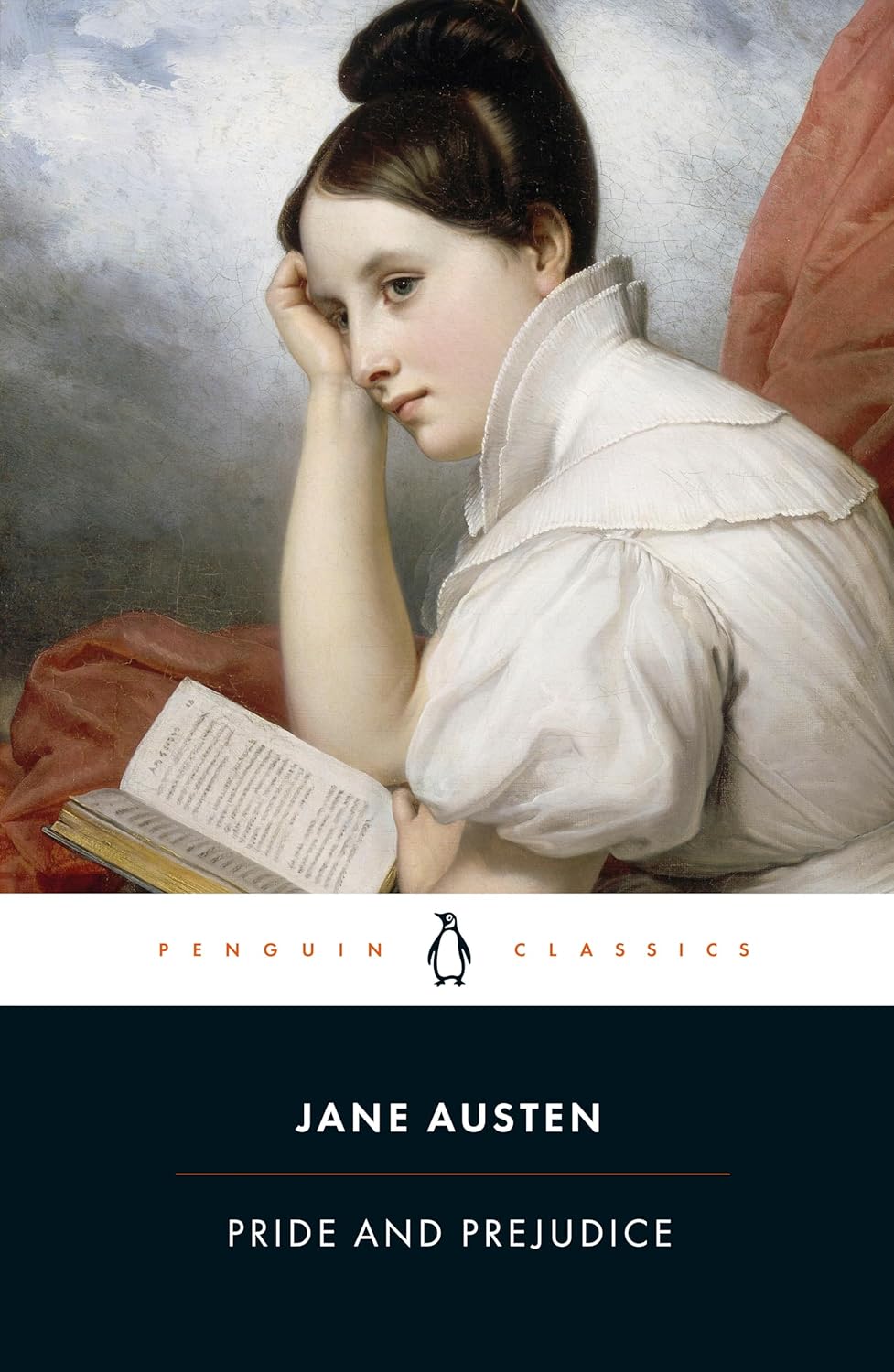
Pride and Prejudice
Pride and Prejudice follows Elizabeth Bennet, an intelligent and independent young woman navigating love and social expectations in Regency England. When the wealthy and reserved Mr Darcy enters her social circle, Elizabeth forms a negative impression of him, while Darcy initially struggles to look beyond her family’s lower social standing. Their relationship develops through misunderstandings, wounded pride, and gradual self-discovery. Meanwhile, Elizabeth’s sisters face the financial and social pressures associated with marriage in a society where women have limited opportunities for economic independence. Through wit and sharp observation, Austen critiques class prejudice, superficial judgments, and the belief that wealth guarantees moral worth. The novel explores the importance of self-awareness and mutual respect, suggesting that lasting relationships require people to question their assumptions and recognise their own shortcomings.
United Kingdom
1813
3
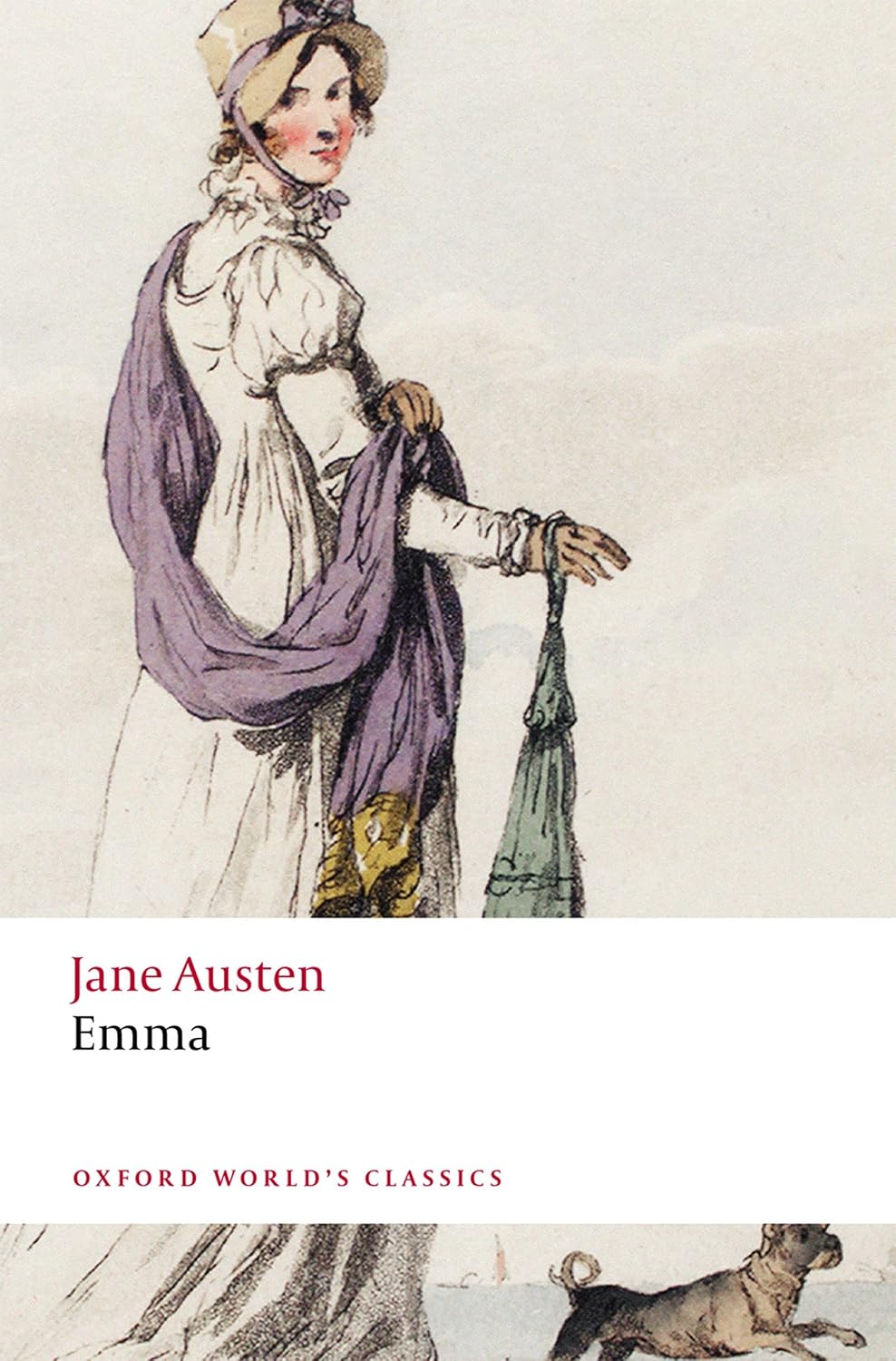
Emma
Emma centres on Emma Woodhouse, a wealthy young woman who believes herself exceptionally skilled at understanding other people’s romantic feelings. Having decided that she will never marry, Emma occupies herself by arranging relationships among her friends and neighbours. However, her confidence repeatedly leads her to misinterpret people’s intentions, creating misunderstandings and emotional complications. As her attempts at matchmaking affect those around her, Emma gradually recognises her own prejudices and the limitations of her judgment. Her relationship with the perceptive Mr Knightley becomes central to this process of self-discovery. Austen combines humour with social observation to examine class distinctions, female independence, and the difficulties of understanding others. The novel explores how maturity requires humility, empathy, and the willingness to reconsider one’s assumptions about love and human behaviour.
United Kingdom
1815
4
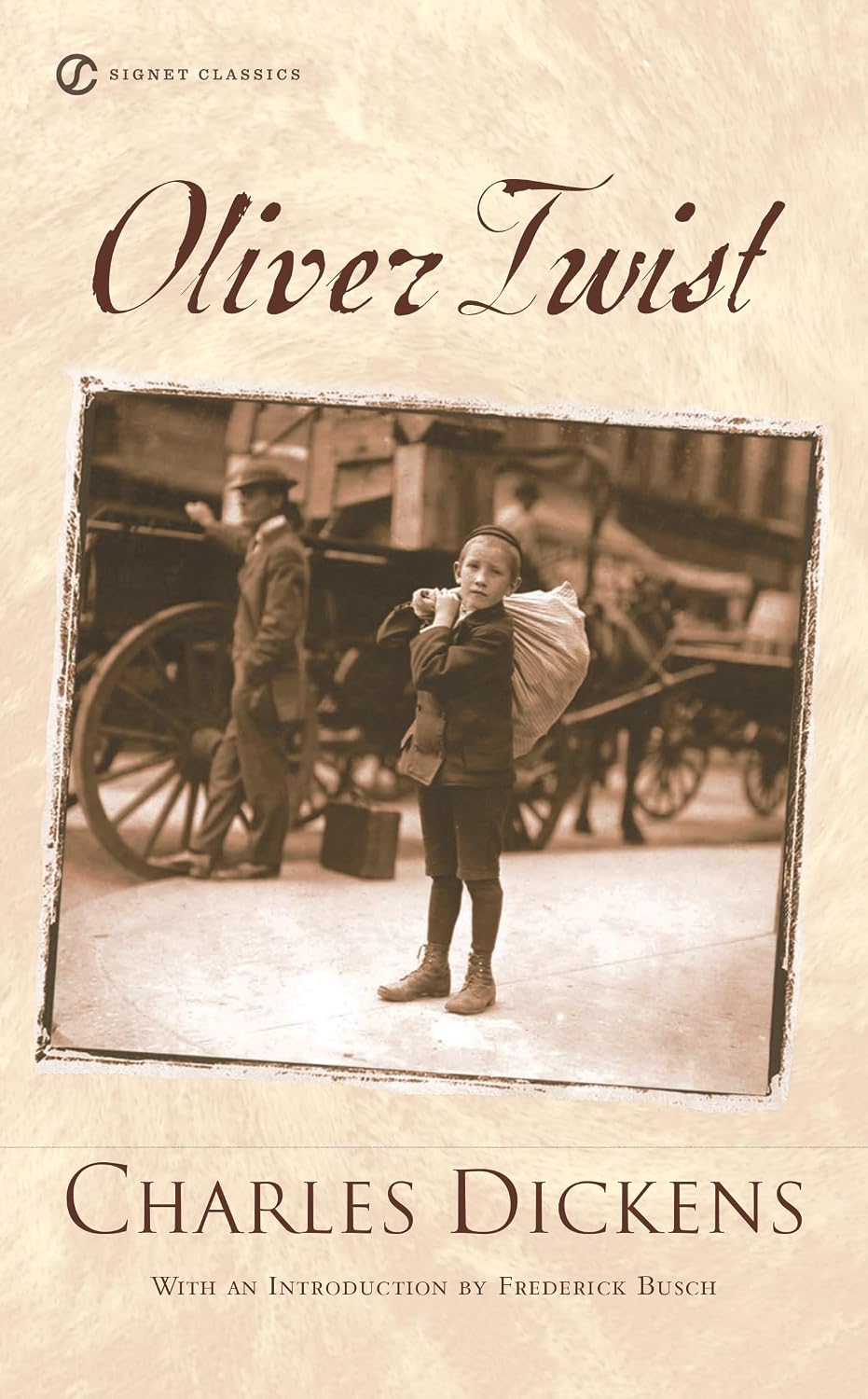
Oliver Twist: Or the Parish Boy's Progress
Oliver Twist follows an orphaned boy who grows up in the brutal conditions of a Victorian workhouse. After asking for more food, Oliver is punished and eventually sent away to work, but he escapes to London in search of a better life. There he falls into the company of a group of young thieves controlled by the criminal Fagin. Although Oliver is repeatedly exposed to exploitation and violence, he retains his kindness and honesty. His circumstances eventually bring him into contact with people who recognise his innocence and attempt to protect him. Dickens exposes the cruelty of institutions that punish poverty rather than alleviate it, highlighting the vulnerability of children in a society marked by inequality. The novel explores justice, compassion, and the possibility of moral goodness surviving even in deeply corrupt environments.
United Kingdom
1838
5
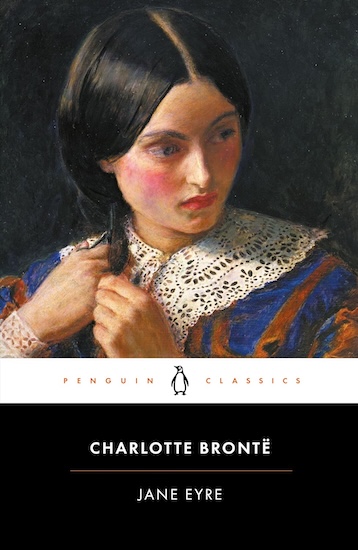
Jane Eyre
Jane Eyre follows an orphaned girl who grows up facing cruelty and neglect before becoming a governess at Thornfield Hall. Intelligent and determined, Jane values her independence and refuses to accept a life defined entirely by her social position or gender. At Thornfield, she falls in love with her employer, Edward Rochester, but discovers that his household conceals a disturbing secret that threatens their future together. When Jane is forced to choose between love and her moral principles, she leaves rather than compromise her dignity. Her journey eventually brings her new opportunities, unexpected family connections, and a chance to reconsider her relationship with Rochester. Brontë explores female autonomy, class inequality, religious morality, and the search for emotional belonging. The novel celebrates a woman’s right to pursue love without surrendering her conscience or independence.
United Kingdom
1847
6
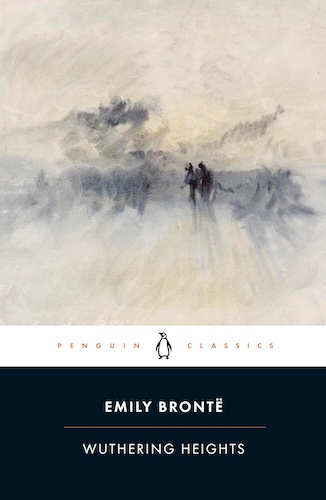
Wuthering Heights
Wuthering Heights tells the turbulent story of Catherine Earnshaw and Heathcliff, whose intense attachment becomes entangled with pride, social ambition, and revenge. Growing up together on the Yorkshire moors, they develop a bond that Catherine ultimately sacrifices by marrying Edgar Linton, a man of higher social standing. Heathcliff, devastated by her decision, returns years later wealthy and determined to punish those he believes have wronged him. His revenge extends beyond Catherine and Edgar, affecting their children and the next generation. Through its layered narration and haunting landscape, Brontë explores destructive passion, class divisions, and the lasting consequences of emotional cruelty. The novel challenges idealised notions of romantic love, portraying attachment as a force that can inspire profound devotion while also consuming lives and perpetuating suffering.
United Kingdom
1847
7
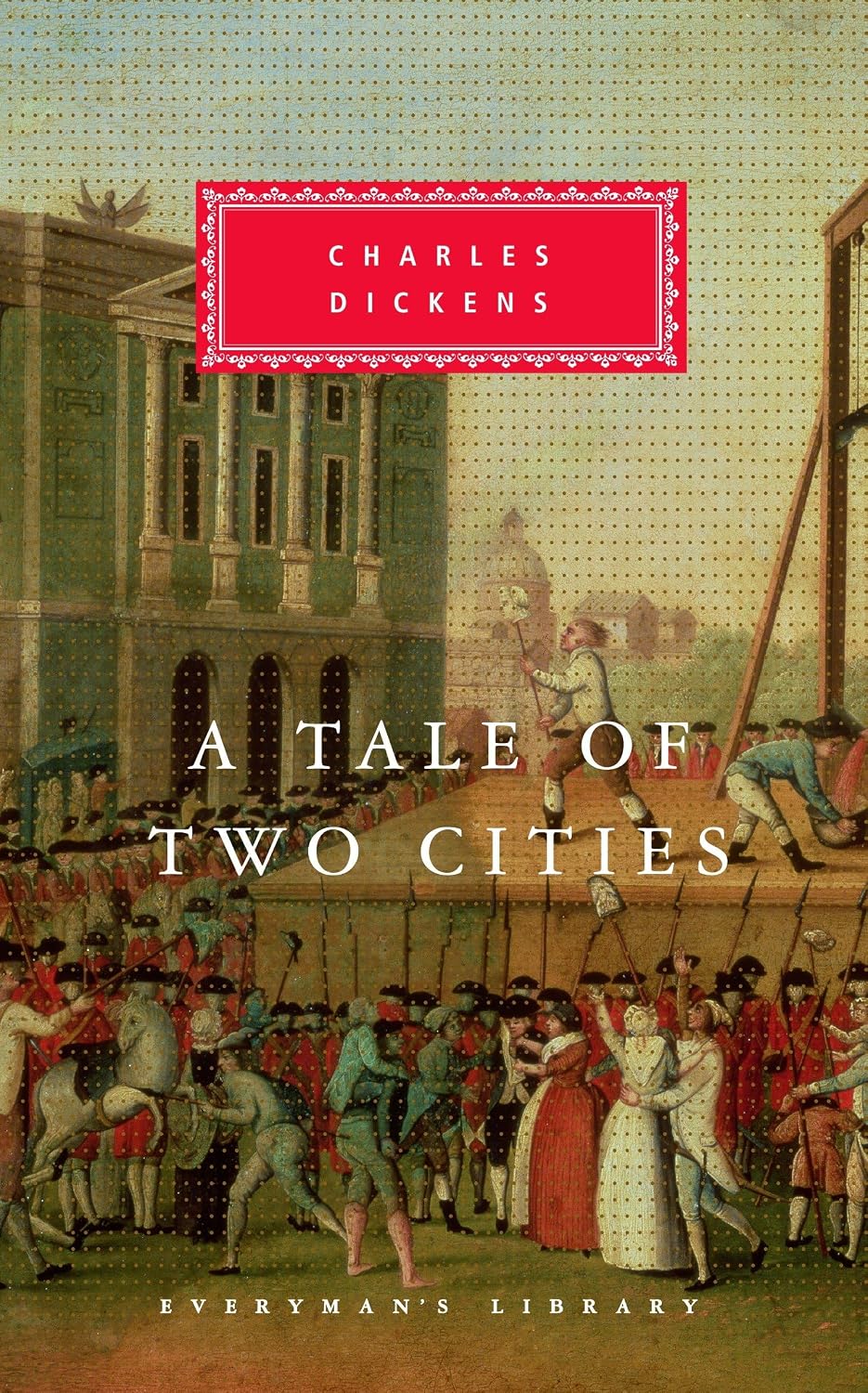
A Tale of Two Cities
A Tale of Two Cities unfolds in London and Paris during the years leading up to and throughout the French Revolution. The story follows Charles Darnay, a French aristocrat who rejects his family’s oppressive traditions, and Sydney Carton, a disillusioned English lawyer whose life appears to lack purpose. Both men love Lucie Manette, whose father has been released after years of imprisonment in the Bastille. As revolutionary violence spreads across France, Darnay’s aristocratic origins place him in danger despite his rejection of inherited privilege. Carton eventually faces a choice that transforms his life and gives the novel its powerful conclusion. Dickens examines injustice, class resentment, political extremism, and the possibility of personal redemption. The novel portrays how cruelty can generate further violence while suggesting that courage and self-sacrifice can preserve humanity in times of upheaval.
United Kingdom
1859
8
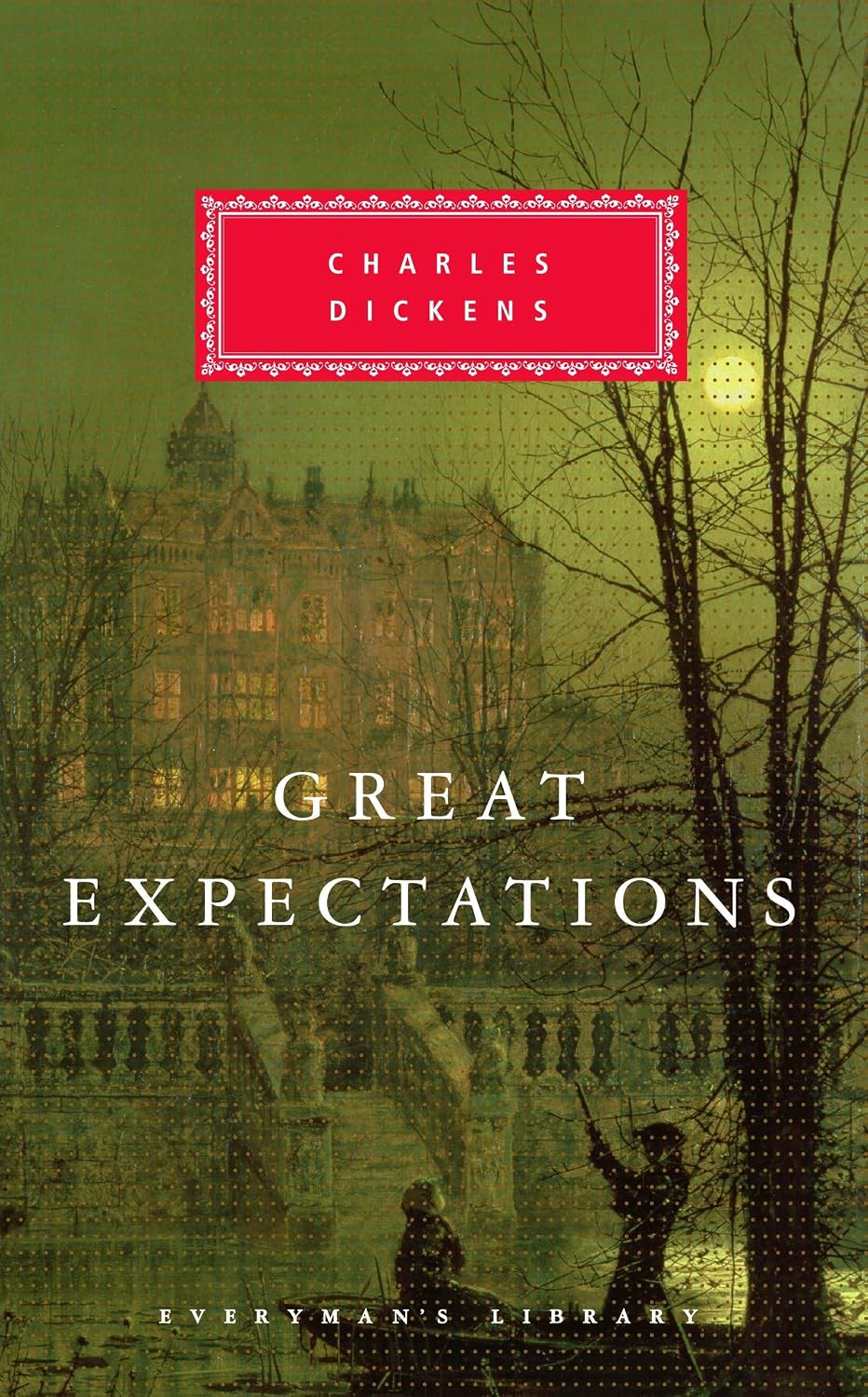
Great Expectations
Great Expectations follows Pip, an orphan raised by his harsh older sister and her kind husband, Joe Gargery. After encountering an escaped convict and becoming acquainted with the wealthy but eccentric Miss Havisham, Pip begins to dream of rising above his humble origins. When he unexpectedly receives money from an anonymous benefactor, he moves to London to become a gentleman, believing that wealth and social status will bring him happiness and the love of Estella, Miss Havisham’s beautiful but emotionally distant ward. As Pip discovers the truth about his fortune, he must confront his own pride and the assumptions he has made about class and respectability. Dickens explores ambition, guilt, loyalty, and moral growth, revealing that genuine worth depends less on social position than on kindness and integrity.
United Kingdom
1861
9
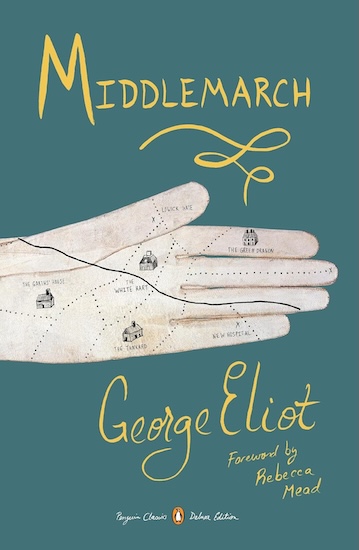
Middlemarch
Middlemarch portrays life in a provincial English town during the early nineteenth century, following a wide network of characters whose ambitions and relationships reveal the complexities of social change. Dorothea Brooke, an idealistic young woman, longs to lead a meaningful life but finds herself trapped in a disappointing marriage to the elderly scholar Edward Casaubon. Meanwhile, the ambitious doctor Tertius Lydgate hopes to reform medical practice but becomes increasingly constrained by financial pressures and social expectations. Their stories intersect with those of other residents whose decisions reflect the influence of class, money, reputation, and political change. Eliot examines the gap between personal aspirations and the realities of everyday life, showing how even well-intentioned individuals can cause harm through ignorance or pride. The novel explores marriage, moral responsibility, and the quiet ways people influence one another’s futures.
United Kingdom
1871
10
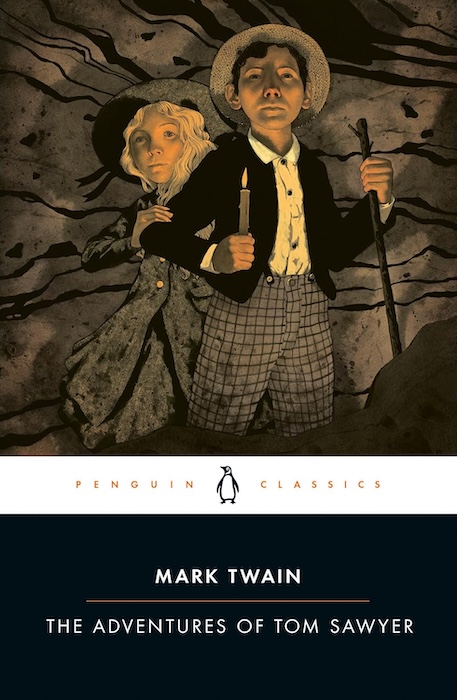
Adventures of Tom Sawyer
The Adventures of Tom Sawyer follows an imaginative, mischievous boy growing up in a small town along the Mississippi River. Tom regularly avoids schoolwork and household responsibilities in favour of games, pranks, and elaborate fantasies. Alongside his friend Huckleberry Finn, he experiences adventures that range from pretending to be a pirate to witnessing a murder and becoming involved in a dangerous search for hidden treasure. Beneath its humour and lively depictions of childhood, the novel explores the tensions between freedom and social expectations. Tom’s experiences gradually teach him about courage, loyalty, responsibility, and the consequences of his actions. Twain’s portrayal of small-town American life also offers a satirical look at adult hypocrisy, superstition, and the institutions that shape children’s lives.
United Kingdom
1876
11
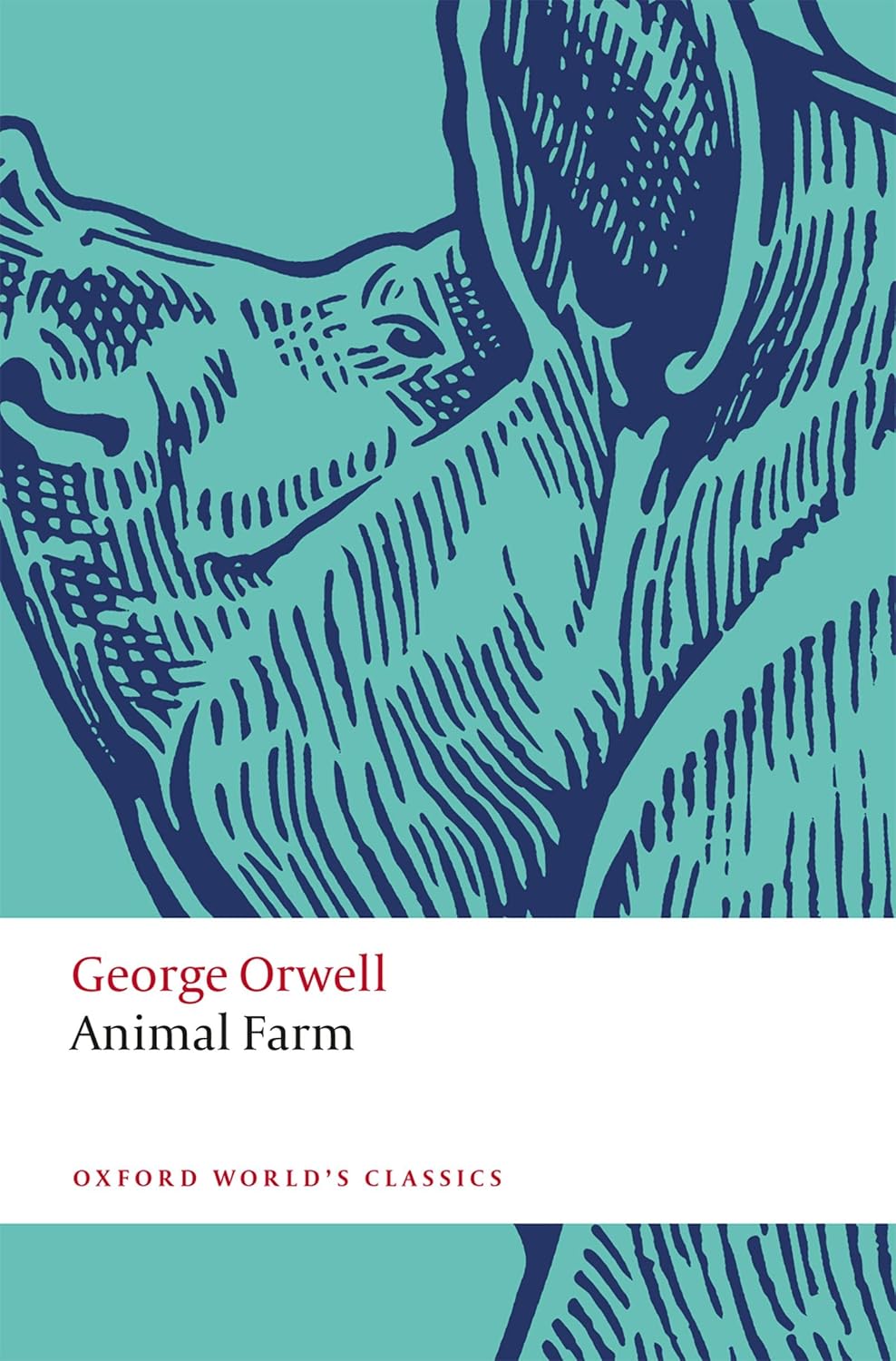
Animal Farm
Animal Farm is a political allegory about a group of farm animals who rebel against their human owner, hoping to establish a society based on equality and shared labour. Initially inspired by the promise of freedom, the animals create their own system of government under the leadership of the pigs. However, Napoleon gradually consolidates power, using propaganda, intimidation, and manipulated rules to suppress opposition. As the pigs adopt the privileges once enjoyed by humans, the original ideals of the revolution are abandoned. Through the animals’ experiences, Orwell examines how political movements can be corrupted by authoritarian ambition and how language can be used to justify inequality. The novella critiques the betrayal of revolutionary ideals, demonstrating how societies seeking liberation can reproduce the very systems of oppression they originally opposed.
United Kingdom
1945
12

1984
Nineteen Eighty-Four follows Winston Smith, a low-ranking employee in a totalitarian state where the ruling Party controls information, language, and private life. Living under the constant surveillance of Big Brother, Winston secretly questions the official version of history and begins keeping a forbidden diary. His relationship with Julia offers a brief experience of intimacy and rebellion, but their defiance attracts the attention of the authorities. As Winston is subjected to psychological manipulation and brutal interrogation, the Party attempts not only to control his actions but also to reshape his understanding of reality. Orwell explores propaganda, censorship, surveillance, and the destruction of individual autonomy. The novel warns that political power becomes especially dangerous when it can dictate what people are permitted to remember, believe, and say.
United Kingdom
1949