Zimbabwe
Africa
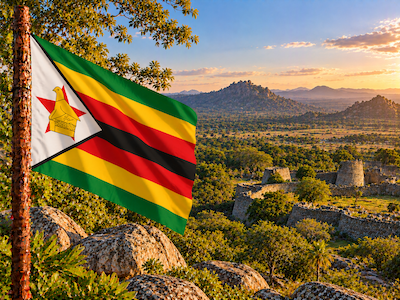
Zimbabwe is a landlocked country in southern Africa, known for its dramatic granite formations, vast savannas, wildlife reserves, and ancient stone architecture. The ruins of Great Zimbabwe, a medieval city built by ancestors of the Shona people, are among the country’s most significant historical landmarks. Victoria Falls lies on the Zambezi River along the border with Zambia, while the capital, Harare, is a lively urban center. Zimbabwe’s cultural heritage includes Shona and Ndebele traditions, music, sculpture, and storytelling. English, Shona, and Ndebele are among the country’s widely used languages.
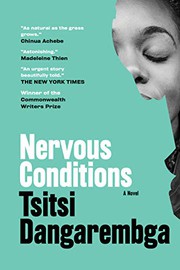
Zimbabwean literature explores colonialism, the liberation struggle, land, political change, and the complexities of identity in a society shaped by history. Oral storytelling, folktales, and praise poetry remain important cultural traditions. Tsitsi Dangarembga, internationally recognized for her novel Nervous Conditions, examines gender, education, and colonial influence through the experiences of a young Shona woman. Chenjerai Hove, author of Bones, portrays rural life and the human cost of the liberation war. Together, their works offer powerful perspectives on Zimbabwean society, memory, and the search for independence.