South Africa

Africa
South Africa
3
books
3
authors

Books from South Africa

1
First of December
First of December
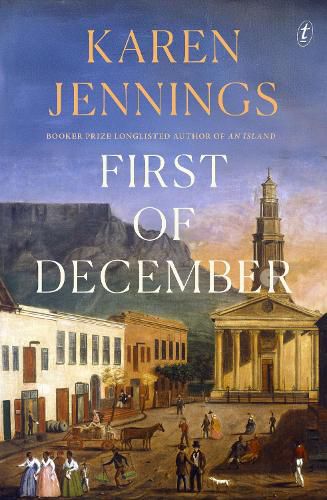
Set during the final week before the emancipation of enslaved people in South Africa, First of December follows three individuals whose lives intersect on the eve of a historic turning point. Caroline Kendrick, an English bride living in the Cape Colony, finds herself trapped in an unhappy marriage and a place she despises. Her husband, James, is determined to build a successful future and restore his fortunes through an ambitious banking venture, even as his relationship with Caroline deteriorates. Meanwhile, an unnamed enslaved woman, devastated by the loss of her stillborn child, escapes and travels along the coast toward Cape Town, desperate to reunite with her lover before freedom is declared. As their journeys unfold, the characters confront loneliness, ambition, desperation, and the brutal inequalities of colonial society. Their personal struggles take place against the historical reality of emancipation, which formally took effect in the Cape Colony on 1 December 1838, following a period of compulsory apprenticeship for formerly enslaved people. With restrained prose and profound psychological insight, Jennings explores the distance between legal freedom and lived experience. The novel examines how historical change transforms individual lives while exposing the enduring power imbalances embedded in society.
2026
2
The Promise
The Promise
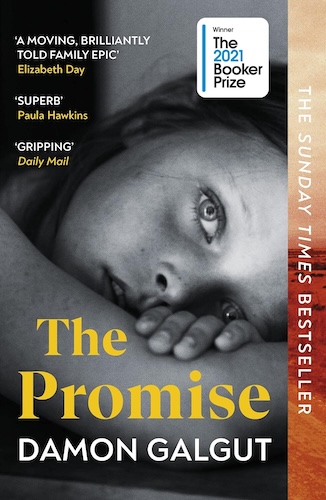
The Promise follows the Swart family, white South Africans living on a farm outside Pretoria, across several decades of political and social transformation. The story begins with the death of Rachel, the family matriarch, who extracts a promise from her husband: that their Black domestic worker, Salome, will receive ownership of the small house where she has lived for years. However, the promise is repeatedly postponed and ultimately neglected, becoming a symbol of the family’s moral failures and the enduring inequalities of South African society. Through the lives of the Swart siblings—Anton, Astrid, and Amor—Damon Galgut examines how resentment, guilt, privilege, and personal disillusionment shape relationships across generations. The novel’s shifting narrative perspective and distinctive structure mirror the family’s fragmentation and the country’s unfinished reckoning with its past. Spanning the final years of apartheid and the decades that follow, The Promise explores the gap between words and actions, revealing how unfulfilled obligations can expose the deepest contradictions within a family and a nation.
2021
3
Cry, the Beloved Country
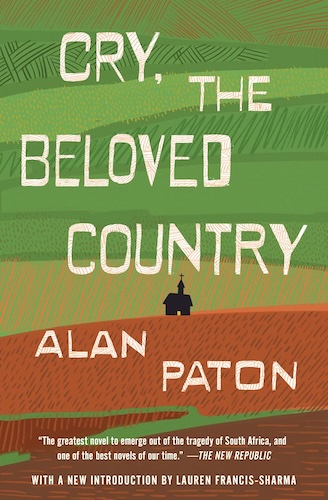
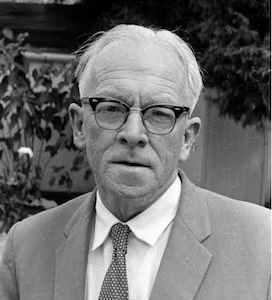
Set in South Africa during the 1940s, Cry, the Beloved Country follows Stephen Kumalo, a rural Zulu pastor who travels to Johannesburg in search of his missing son, Absalom. In the city, he encounters the devastating effects of poverty, racial discrimination, and the social upheaval caused by urbanization under apartheid’s emerging racial order. As he discovers the truth about his son’s involvement in a tragic crime, Kumalo must confront grief, guilt, and the fragility of family bonds. His journey intersects with that of James Jarvis, a white landowner whose son is connected to the tragedy, leading both men to reconsider their beliefs and responsibilities. Through their parallel experiences, Alan Paton explores racial injustice, moral responsibility, compassion, and the possibility of reconciliation in a deeply divided society. The novel is a moving portrait of a nation struggling with inequality and the human cost of prejudice.
1948

Famous authors from South Africa

About South Africa

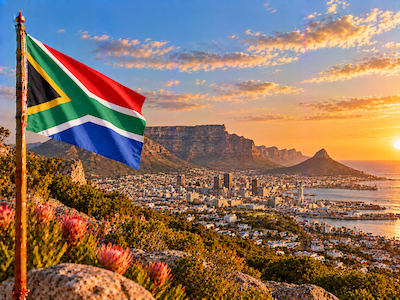
South Africa occupies the southernmost part of the African continent, with coastlines along both the Atlantic and Indian Oceans. Its landscapes range from dramatic mountain ranges and vast savannas to semi-desert plateaus, subtropical forests, and rugged coastal cliffs. Cape Town, set beneath the iconic Table Mountain, is known for its natural beauty and cultural diversity, while Johannesburg is a major economic and artistic center. South Africa is home to an extraordinary range of cultures and languages, including Zulu, Xhosa, Afrikaans, and English, reflecting Indigenous heritage, colonial history, migration, and centuries of cultural exchange.

Region
Africa
Literary Context

South African literature is shaped by oral storytelling, praise poetry, folklore, and the traditions of its many linguistic communities. Indigenous narratives have long preserved histories, moral teachings, and cultural knowledge. Written literature developed through colonial encounters and European literary traditions, but it has increasingly incorporated African languages, local experiences, and diverse perspectives. The country’s history of racial segregation and apartheid has had a profound influence on its literary landscape. Among South Africa’s most influential writers is Nadine Gordimer, whose fiction examined apartheid, censorship, and moral responsibility. J. M. Coetzee, Nobel Prize winner, is known for novels such as Disgrace, which explore power, guilt, and social transformation. Other major figures include Alan Paton, author of Cry, the Beloved Country; Bessie Head, whose writing examines identity, belonging, and social exclusion; and Zakes Mda, known for his explorations of history and contemporary South African life. Poets such as Mongane Wally Serote and Antjie Krog have also made significant contributions to the country’s literary heritage. Contemporary South African literature frequently explores race, inequality, memory, identity, gender, migration, reconciliation, and the enduring effects of apartheid, while also celebrating the complexity and diversity of everyday life.

Africa