Tanzania
Africa
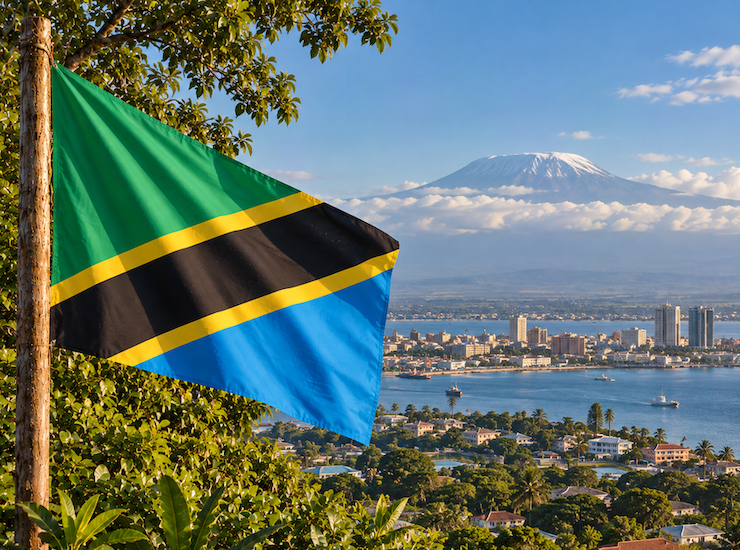

Tanzania is an East African country known for its extraordinary natural diversity, from the snow-capped peak of Mount Kilimanjaro and the vast Serengeti plains to the tropical shores of Zanzibar. Its largest city, Dar es Salaam, is a major coastal and commercial hub, while Dodoma serves as the national capital. Tanzania is home to more than 120 ethnic groups, whose traditions, music, crafts, and oral histories contribute to a rich cultural landscape. Swahili, which unites communities across the country, and English are widely used, with Swahili serving as the national language. The country’s identity has also been shaped by Indian Ocean trade, Arab and Persian influences, German and British colonial rule, and the movement toward independence.
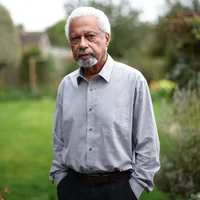
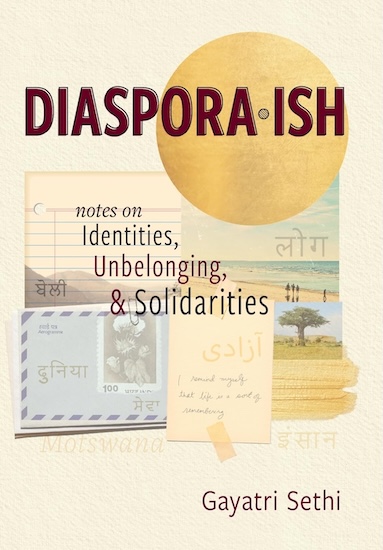
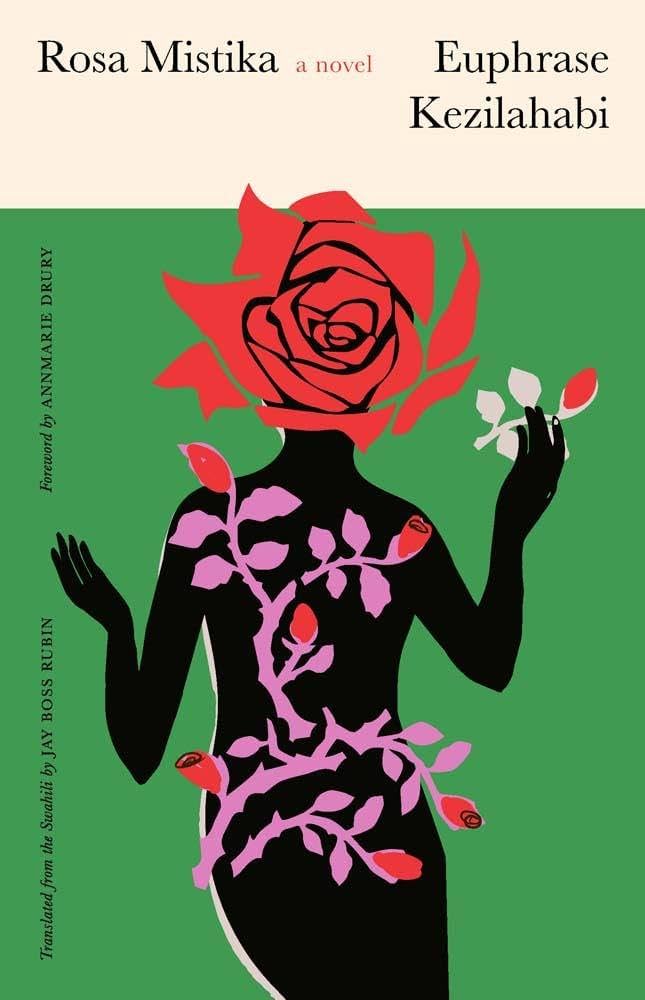
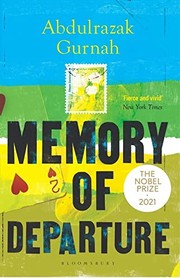
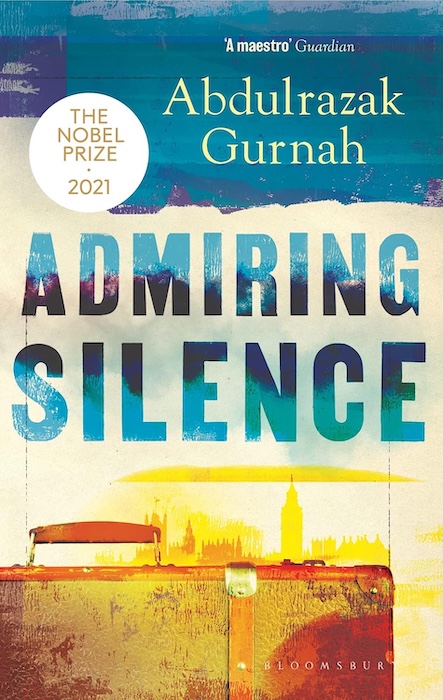
Tanzanian literature draws on oral storytelling, folktales, proverbs, poetry, and performance traditions, alongside a substantial modern written tradition in Swahili and English. Writers have explored colonialism, social inequality, political change, migration, and the relationship between tradition and modernity. Shaaban Robert, often regarded as one of the founders of modern Swahili literature, used poetry and prose to examine morality, justice, and human dignity. Abdulrazak Gurnah, born in Zanzibar and awarded the Nobel Prize in Literature in 2021, explores displacement, exile, colonialism, and memory in novels such as Paradise and By the Sea. Their works reveal how Tanzanian and Swahili literary traditions connect local histories with wider questions of belonging and identity.