Books from Türkiye
Suggest a book
All genres
Historical Fiction
Literary Fiction
Fantasy
Romance
Horror
Thriller
Non-Fiction
Mystery
Memoir
Classics
History
Sci-Fi
Contemporary Fiction
Science Fiction
Fiction
Poetry
Essays
Family Saga
Magical Realism
Family Drama
Dark Academia
Psychological Fiction
Dark Comedy
Political Writing
Feminist Fiction
Satire
Campus Fiction
Cultural Studies
Biography
Philosophy
Comedy
Drama
Young Adult
Gothic
Dystopia
Crime
Children's Books
Short Stories
Mythology
Cozy
Retellings
Humour
Adventure
All themes
Love & Passion
Adventure & Journey
Identity & Belonging
War & Conflict
Freedom & Resistance
Family & Heritage
Nature & Landscape
Society & Class
Spirituality & Faith
Solitude & Exile
Coming of Age
Revolution & Change
Friendship
History
Immigration
Myths and Retellings
Colonialism
Women & Society
Mental Health
Motherhood
1
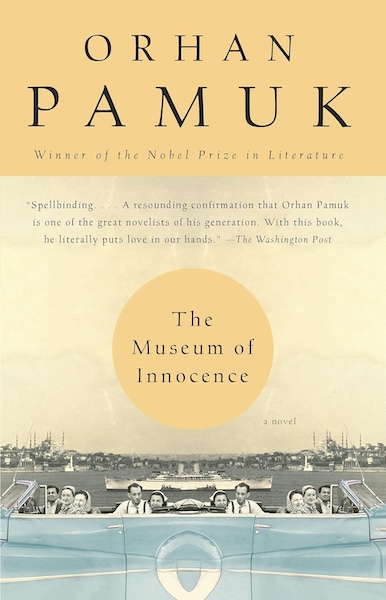
The Museum of Innocence
Istanbul, 1975. Kemal, the privileged son of a wealthy family, is preparing to marry Sibel, a woman who belongs to his own sophisticated social circle. But a chance encounter with Füsun, a beautiful young shop assistant and distant relative, sets his carefully ordered life on an unexpected course. Their passionate affair soon becomes complicated by social conventions, class divisions, and the expectations placed on women in a rapidly modernising Turkey.
When Füsun disappears from his life, Kemal begins collecting objects connected to her: earrings, hair clips, cigarette butts, and countless other seemingly insignificant things. Each item becomes a vessel for memory, allowing him to preserve moments that time would otherwise erase. Over the years, his collection grows into an extraordinary personal museum, reflecting both his devotion and his inability to let go.
Spanning decades of Istanbul’s social and cultural transformation, The Museum of Innocence is a richly layered exploration of love, obsession, memory, and longing. Nobel Prize-winning author Orhan Pamuk transforms ordinary objects into fragments of a vanished world, asking whether preserving the past can bring happiness—or merely keep us imprisoned within it.
2008
2
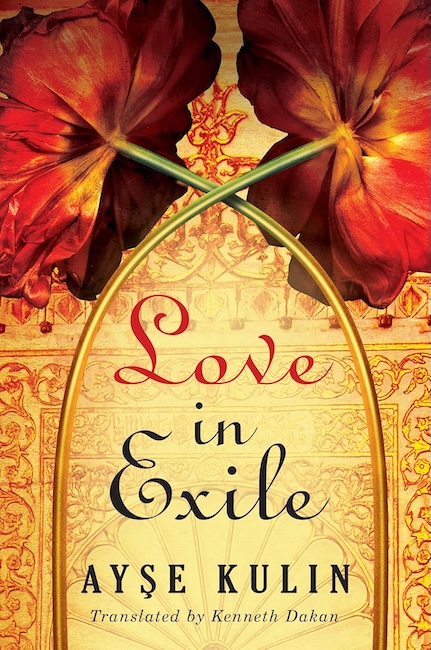
Love in Exile
In 1920s Turkey, Sabahat is a bright, determined young Muslim woman who dreams of an education and a life beyond the traditional expectations placed on women. Persuading her family to let her pursue her studies, she begins to imagine a future shaped by her own ambitions rather than an arranged marriage. But her plans take an unexpected turn when she falls in love with Aram, an Armenian Christian student.
Their feelings deepen despite the religious and cultural divisions separating their families. In a society where interfaith relationships challenge deeply rooted traditions, their love becomes a source of both hope and conflict. As family loyalties and social pressures threaten to tear them apart, Sabahat and Aram must decide how much they are willing to sacrifice to remain together.
Inspired by Ayşe Kulin’s own family history, Love in Exile is a sweeping romance set during a period of profound transformation in Turkish society. It explores forbidden love, women’s independence, religious difference, and the painful choices people face when personal happiness conflicts with family expectations.
2016
3
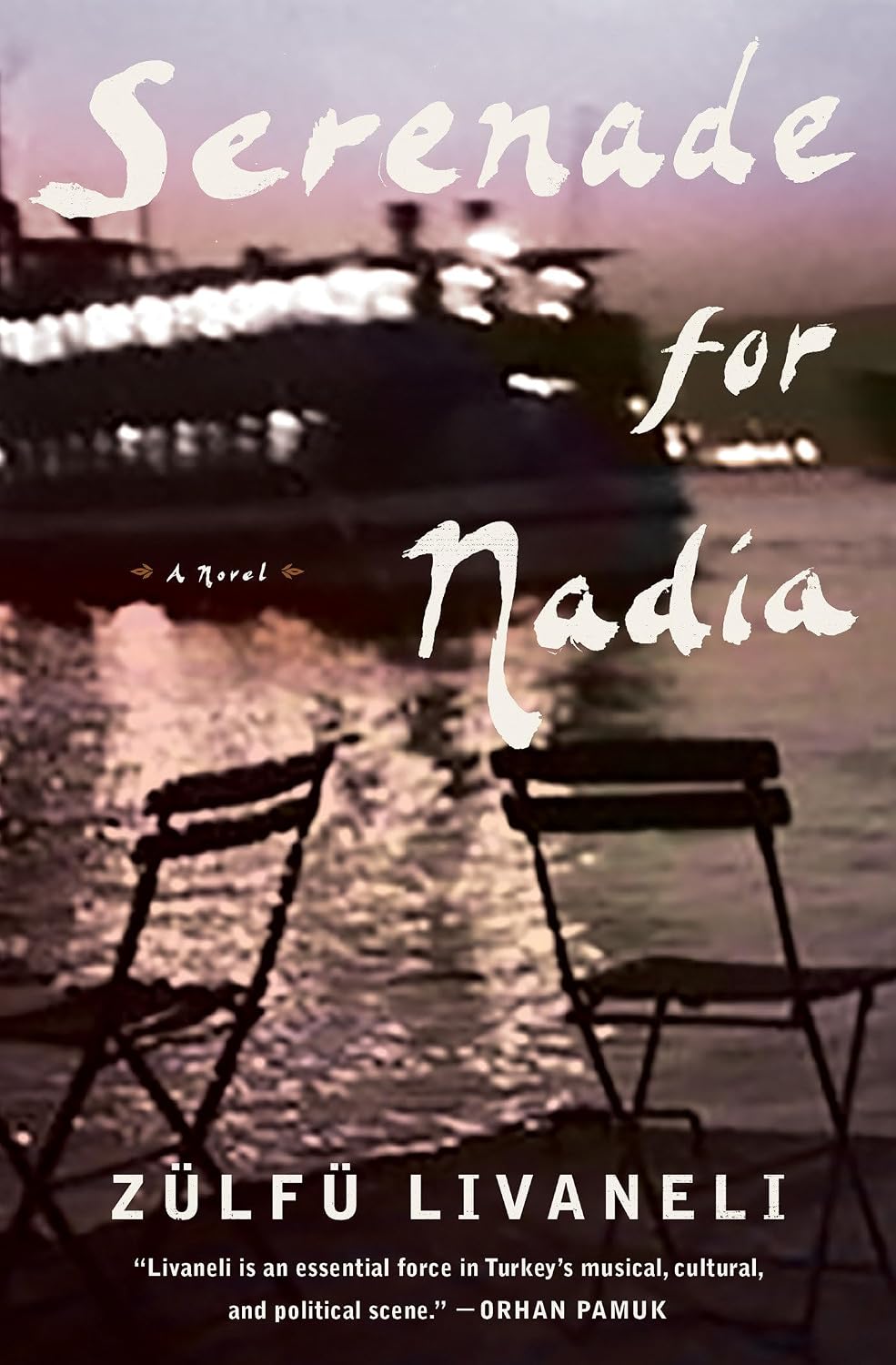
Serenade for Nadia
Serenade for Nadia follows Maya Duran, a single mother working at Istanbul University who is asked to assist an elderly German-born professor, Maximilian Wagner, during his visit to Turkey. Initially puzzled by his unusual behaviour, Maya gradually discovers that his connection to Istanbul reaches back to the Second World War. Through his memories, she learns about a forbidden love story and the fate of Jewish refugees fleeing Nazi persecution aboard the ship Struma, which sank in 1942. As the past emerges, Maya confronts painful aspects of Turkish history and the human consequences of political decisions. Livaneli weaves together romance, historical tragedy, and contemporary social tensions, exploring how love can endure across decades while examining the responsibilities of remembering those whose lives were lost through war, prejudice, and indifference.
2020