El Salvador

North America
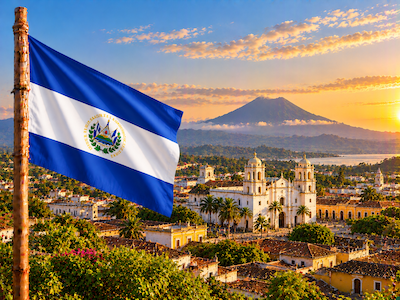
El Salvador
5
books
4
authors

Books from El Salvador

1
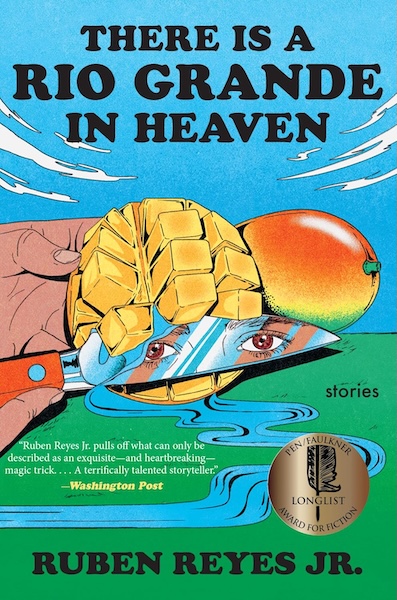
There Is a Rio Grande in Heaven
What happens when your life becomes unrecognisable overnight? In this imaginative debut collection, Ruben Reyes Jr. blends speculative fiction, magical realism, and dark humour to explore the experiences of Salvadoran immigrants and their descendants. An ordinary man wakes up to discover he has become a famous reggaetón star. An elderly grandmother gradually transforms into a marionette puppet. A researcher uncovers a disturbing programme that turns the bodies of undocumented migrants into artificial labourers. Moving between alternate histories, dystopian futures, and surreal versions of everyday life, these stories explore the forces that shape Central American identity. Family ties stretch across borders, technology offers unsettling solutions to human problems, and bureaucratic systems reduce lives to statistics. Beneath the collection’s strange and often absurd scenarios lies a serious examination of migration, colonial legacies, capitalism, and the struggle to be heard in a world that marginalises certain voices. Both inventive and deeply human, There Is a Rio Grande in Heaven challenges readers to reconsider whose stories are told—and what it costs to build a new life far from home.
2024
2
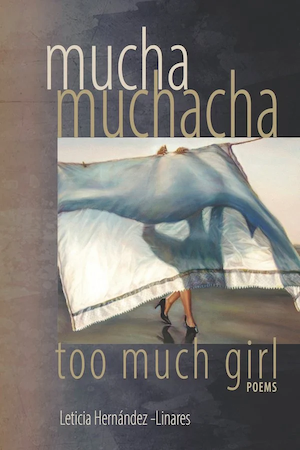
Mucha Muchacha, Too Much Girl
A vibrant celebration of Salvadoran-American womanhood, cultural memory, and the power of finding your voice. Through poems that move between English, Spanish, and the rhythms of oral storytelling, Leticia Hernández-Linares explores the lives of women in her family and community—their struggles, silences, spirituality, and everyday acts of resistance. Rooted in the experiences of the Central American diaspora, these poems challenge restrictive expectations of femininity while embracing the beauty of cultural hybridity. Lyrical, musical, and unapologetically expressive, this collection celebrates women who refuse to be diminished and insists that their stories deserve to be heard.
2015
3
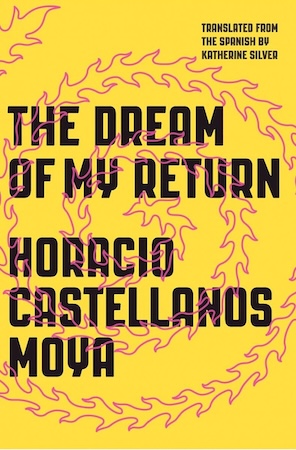
The Dream of My Return
El Salvador’s civil war is nearing its end, and exiled journalist Erasmo Aragón is preparing to return home after years in Mexico. Hoping to start a new life, he also wants to escape his troubled marriage and the anxieties that have consumed him. But when a doctor prescribes hypnosis to treat his persistent liver pain, Erasmo becomes obsessed with the memories and secrets buried in his subconscious. Haunted by political violence, uncertain recollections, and increasingly paranoid suspicions, he begins to lose his grip on reality. Darkly comic and psychologically unsettling, this novel explores exile, memory, and the complicated longing to return to a homeland transformed by violence.
2015
4
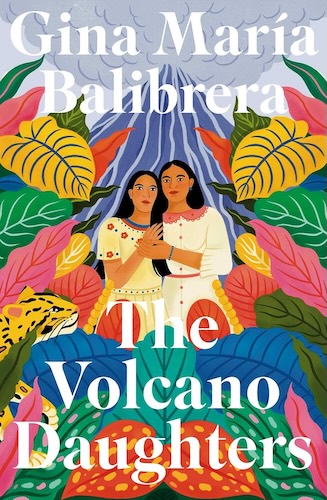
The Volcano Daughters
El Salvador, 1923. Two sisters, separated by family secrets and raised in the shadow of a ruthless dictator, are destined for lives neither could have imagined. Graciela, a young Indigenous girl with the ability to foresee the future, is summoned to the capital to serve a rising tyrant. There, she discovers Consuelo, the sister stolen from her family years earlier. As the regime’s violence escalates and genocide devastates their Indigenous community, the sisters flee separately, each believing the other is dead. Their journeys take them from Hollywood to Paris and San Francisco, pursued by the ghosts of murdered friends whose stories refuse to be forgotten. Blending history, mythology, and magical realism, this haunting novel explores sisterhood, cultural memory, and the power of those silenced by history to reclaim their voices.
2025
5
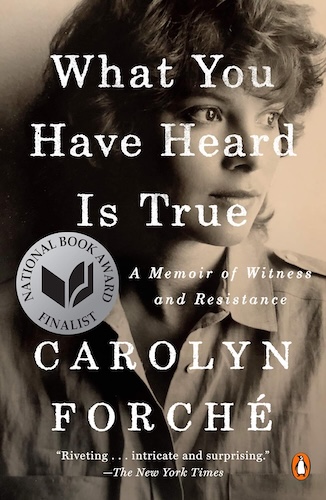
What You Have Heard Is True
In 1970s El Salvador, a young American poet is drawn into a country on the brink of civil war. When the enigmatic Leonel Gómez Vides invites twenty-seven-year-old Carolyn Forché to witness his homeland, she encounters military repression, impoverished communities, courageous clergy, and people risking their lives to resist injustice. As violence escalates and death squads hunt their opponents, Forché’s journey becomes a profound political and personal awakening. Part memoir, part testimony, this lyrical account explores the moral responsibility of bearing witness—and how confronting human suffering can transform the way we see the world. A finalist for the 2019 National Book Award, it is a powerful reflection on empathy, resistance, and the courage to speak when silence is easier.
2020

Famous authors from El Salvador

About El Salvador

El Salvador is the smallest country in mainland Central America, known for its volcanic landscapes, Pacific coastline, coffee-growing highlands, and densely populated valleys. Its cultural identity has been shaped by Indigenous Pipil heritage, Spanish colonial history, and broader Central American traditions, with food, music, crafts, and community life reflecting this layered past.

Region
North America
Literary Context

Salvadoran literature has strong roots in poetry, journalism, oral traditions, and political writing, often reflecting the country’s social inequalities, political conflicts, and complex history. One of its most important early figures was Alberto Masferrer, whose essays and social criticism focused on poverty, education, and inequality. Poetry has played a particularly important role, with writers such as Claudia Lars, Roque Dalton, and Alfredo Espino becoming central figures. Dalton, especially, combined poetry with political and social criticism, while Lars developed a more intimate and lyrical tradition. Contemporary Salvadoran writers continue to explore civil war and historical memory, migration, violence, displacement, identity, and life in the Salvadoran diaspora, making literature an important space for confronting both personal and national history.
North America