
Russia

Europe
Russia
21
books
15
authors

Books from Russia

1
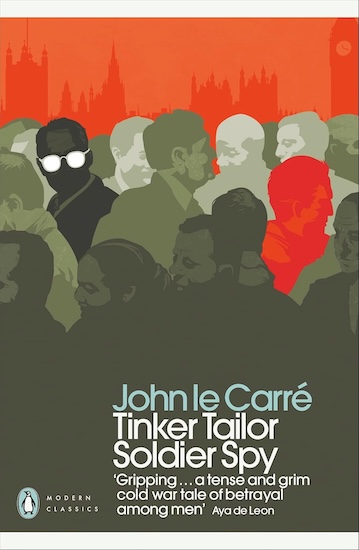
Tinker, Tailor, Soldier, Spy
At the height of the Cold War, British intelligence is facing a devastating crisis. A covert operation in Czechoslovakia has gone disastrously wrong, forcing the head of the Secret Intelligence Service, known as Control, into retirement. But before his departure, Control becomes convinced that a Soviet mole has infiltrated the highest levels of British intelligence, secretly feeding classified information to Moscow. George Smiley, Control’s quiet, methodical former deputy, is brought back from retirement to investigate. Working in secret, he begins examining the service’s senior officers, each of whom has a codename from a childhood rhyme: Tinker, Tailor, Soldier, and others. As Smiley reconstructs past operations and follows a trail of carefully concealed evidence, he must determine which of his former colleagues has betrayed the organisation from within. Set in the shadowy world of Cold War London, Tinker, Tailor, Soldier, Spy is a masterful espionage novel about deception, institutional loyalty, and the corrosive effects of suspicion. Rather than relying on spectacular action, John le Carré builds tension through quiet conversations, fragmented memories, and psychological insight, revealing a world where the greatest threat may be the person sitting beside you.
1974
2
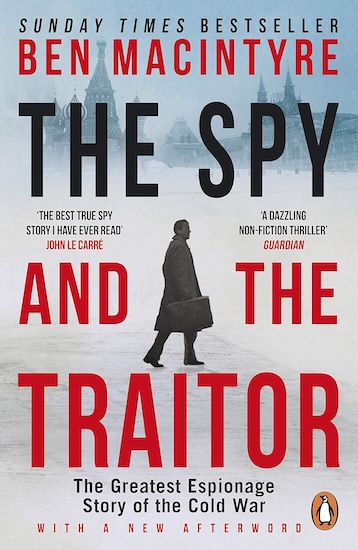
The Spy and the Traitor
In 1985, a seemingly ordinary man walks through the streets of Moscow carrying a plastic shopping bag. Hidden in plain sight, he is Oleg Gordievsky, a senior KGB officer who has secretly been working for British intelligence for more than a decade. As one of Britain’s most valuable spies inside the Soviet Union, he has passed on critical information about Soviet intelligence operations, helping the West understand the Kremlin’s intentions during the final years of the Cold War. But Gordievsky’s double life becomes increasingly dangerous. While MI6 struggles to protect its most important source, the CIA grows suspicious and launches its own investigation to identify the mysterious British informant. Unknown to Gordievsky, the hunt for him leads to Aldrich Ames, a CIA officer secretly betraying American intelligence to the Soviets. When Gordievsky is recalled to Moscow, he faces interrogation, surveillance, and the possibility of execution. His only hope lies in an extraordinary escape plan that must unfold under the watchful eyes of the KGB. Drawing on extensive research and previously undisclosed details, Ben Macintyre reconstructs one of the Cold War’s most remarkable espionage stories. The Spy and the Traitor explores loyalty, ideological conviction, betrayal, and the extraordinary courage required to risk everything for one’s beliefs.
2018
3
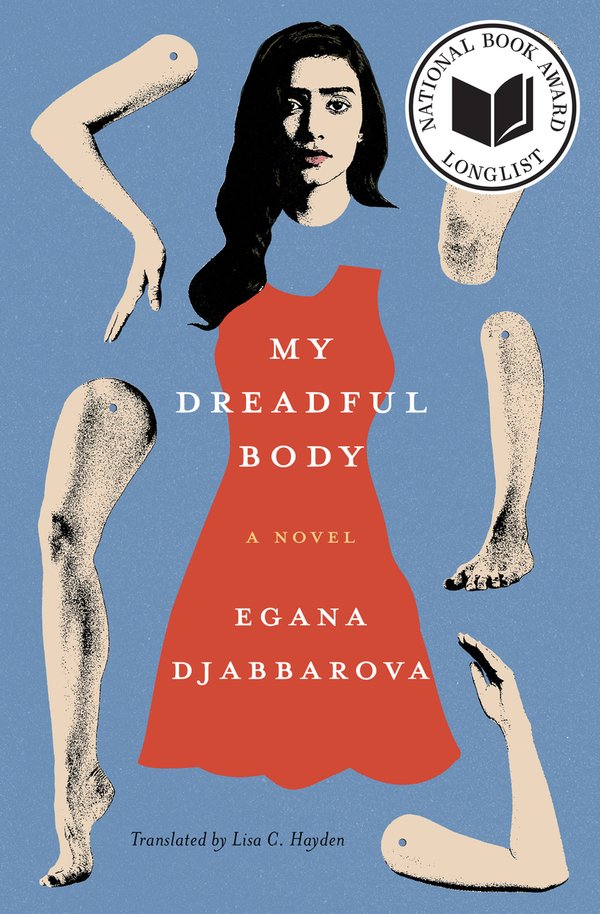
My Dreadful Body
My Dreadful Body
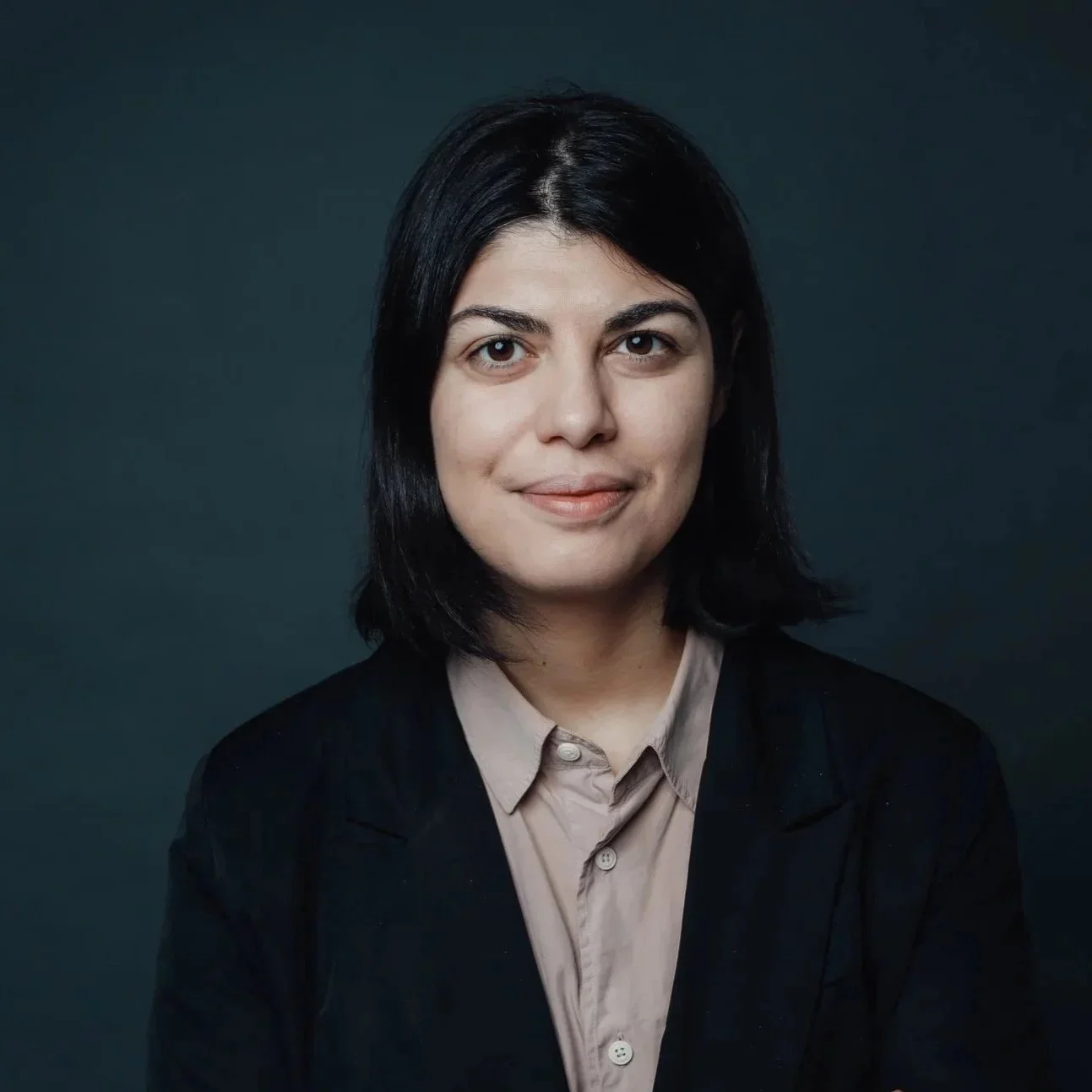
In My Dreadful Body, Egana Djabbarova explores what it means to grow up as a woman in a traditional Azerbaijani family in Russia, where a woman’s body is shaped by cultural expectations, religious beliefs, and the prospect of marriage. As the narrator develops a mysterious neurological condition that causes pain, involuntary movements, and speech difficulties, her body becomes both a source of suffering and a lens through which she examines her identity. Organised into chapters devoted to different body parts, the novel weaves together intimate memories, family traditions, and reflections on gender, illness, and belonging. The narrator confronts the rules imposed on women across generations, as well as the cultural tensions of living between Azerbaijani and Russian identities. Lyrical and deeply personal, this debut novel explores how physical vulnerability can challenge social expectations and open a path towards self-determination.
2023
4
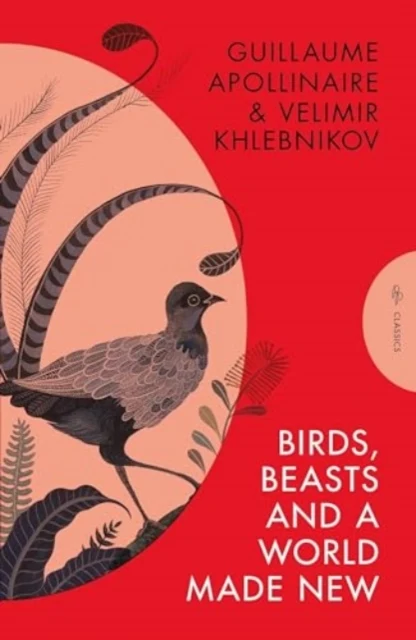
Birds, Beasts and a World Made New
What happens when poetry refuses to obey the rules of language, logic, and reality? This collection brings together two visionary poets who helped reshape modern literature: Russian Futurist Velimir Khlebnikov and French avant-garde writer Guillaume Apollinaire. Moving between animals, art, love, revolution, war, and the mysteries of time, their poems reveal radically different ways of seeing the world. Khlebnikov experiments with language and explores the hidden patterns of history, while Apollinaire blends lyrical beauty with daring modernist invention. Translated by Robert Chandler, this collection invites readers into a world where words become experiments, familiar things turn strange, and poetry imagines entirely new possibilities for human experience.
2024
5
Cynics
Cynics
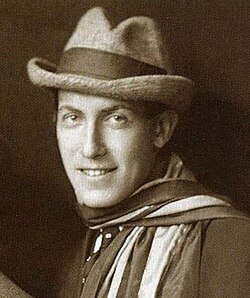
Set in Moscow during the turbulent years following the Russian Revolution, Cynics is a darkly comic portrait of love, survival, and moral compromise under Bolshevik rule. At its center is Vladimir, an idealistic intellectual hopelessly in love with Olga, a woman whose priorities are shaped increasingly by the struggle to obtain food, warmth, and security. When Olga becomes interested in serving the revolution, Vladimir introduces her to his brother Sergei, a Bolshevik official. Their relationships develop into a painful love triangle in which personal desires collide with political ambition and material necessity. Written in a sharp, fragmented style, Marienhof’s novel juxtaposes intimate emotions with the absurdities and brutality of everyday life during War Communism and the New Economic Policy. Its characters navigate a society where ideological convictions often conceal self-interest, and basic necessities can outweigh romantic ideals. Through biting satire, grotesque humor, and cinematic scenes, Marienhof exposes the contradictions of revolutionary life without romanticizing either the old order or the new regime. Initially published in Berlin because Soviet censorship prevented its domestic publication, Cynics remains a striking exploration of how political upheaval reshapes private morality and human relationships.
1973

Famous authors from Russia

About Russia

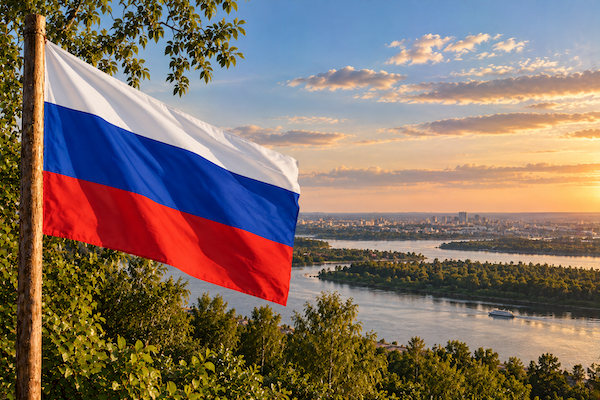
Russia is the world’s largest country by area, spanning Eastern Europe and northern Asia, from the Baltic Sea to the Pacific Ocean. Its immense territory encompasses vast forests, Arctic tundra, mountain ranges, volcanic landscapes, and the Siberian taiga. The Volga River, Lake Baikal, and the Ural Mountains are among its defining geographical features. Moscow, the capital, is known for its historic architecture and monumental landmarks, while Saint Petersburg is celebrated for its imperial palaces, canals, and artistic heritage. Russian culture has developed through centuries of Slavic traditions, Orthodox Christianity, and exchanges with European, Central Asian, Caucasian, and Siberian peoples.

Region
Europe
Literary Context

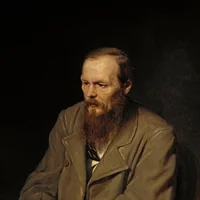
Russian literature is one of the world’s most influential literary traditions, shaped by folklore, epic poetry, religious writing, philosophical reflection, and social criticism. Oral tales about heroes such as Ilya Muromets, alongside folk songs and fairy tales, formed an important foundation. Written literature developed through medieval chronicles and Orthodox texts before flourishing in the 19th century, a period often regarded as its literary Golden Age. Alexander Pushkin, widely considered the founder of modern Russian literature, transformed Russian poetry and prose. Fyodor Dostoevsky explored morality, faith, freedom, and psychological conflict in novels such as Crime and Punishment and The Brothers Karamazov, while Leo Tolstoy examined history, family, and society in War and Peace and Anna Karenina. Other major writers include Anton Chekhov, Nikolai Gogol, Ivan Turgenev, Anna Akhmatova, Marina Tsvetaeva, Mikhail Bulgakov, and Boris Pasternak. Soviet-era literature developed under censorship and political pressure, while dissident and émigré writers explored questions of freedom, memory, and identity. Contemporary Russian-language literature continues to engage with history, power, displacement, family, social change, and the complexities of individual life. The broader Russian-language literary world also includes writers from across the former Soviet Union and its diaspora.
Europe