
Cynics
Summary
Set in Moscow during the turbulent years following the Russian Revolution, Cynics is a darkly comic portrait of love, survival, and moral compromise under Bolshevik rule. At its center is Vladimir, an idealistic intellectual hopelessly in love with Olga, a woman whose priorities are shaped increasingly by the struggle to obtain food, warmth, and security. When Olga becomes interested in serving the revolution, Vladimir introduces her to his brother Sergei, a Bolshevik official. Their relationships develop into a painful love triangle in which personal desires collide with political ambition and material necessity.
Written in a sharp, fragmented style, Marienhof’s novel juxtaposes intimate emotions with the absurdities and brutality of everyday life during War Communism and the New Economic Policy. Its characters navigate a society where ideological convictions often conceal self-interest, and basic necessities can outweigh romantic ideals. Through biting satire, grotesque humor, and cinematic scenes, Marienhof exposes the contradictions of revolutionary life without romanticizing either the old order or the new regime. Initially published in Berlin because Soviet censorship prevented its domestic publication, Cynics remains a striking exploration of how political upheaval reshapes private morality and human relationships.
Reviews
Login to leave a review.
No reviews yet. Be the first!
You might also like
- Published
- 1973
- Author
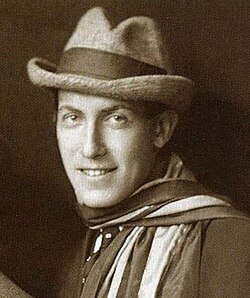
- Anatoly Marienhof