Books from Russia
Suggest a book
All genres
Historical Fiction
Literary Fiction
Fantasy
Romance
Horror
Thriller
Non-Fiction
Mystery
Memoir
Classics
History
Sci-Fi
Contemporary Fiction
Science Fiction
Fiction
Poetry
Essays
Family Saga
Magical Realism
Family Drama
Dark Academia
Psychological Fiction
Dark Comedy
Political Writing
Feminist Fiction
Satire
Campus Fiction
Cultural Studies
Biography
Philosophy
Comedy
Drama
Young Adult
Gothic
Dystopia
Crime
Children's Books
Short Stories
Mythology
Cozy
Retellings
Humour
Adventure
All themes
Love & Passion
Adventure & Journey
Identity & Belonging
War & Conflict
Freedom & Resistance
Family & Heritage
Nature & Landscape
Society & Class
Spirituality & Faith
Solitude & Exile
Coming of Age
Revolution & Change
Friendship
History
Immigration
Myths and Retellings
Colonialism
Women & Society
Mental Health
Motherhood
1
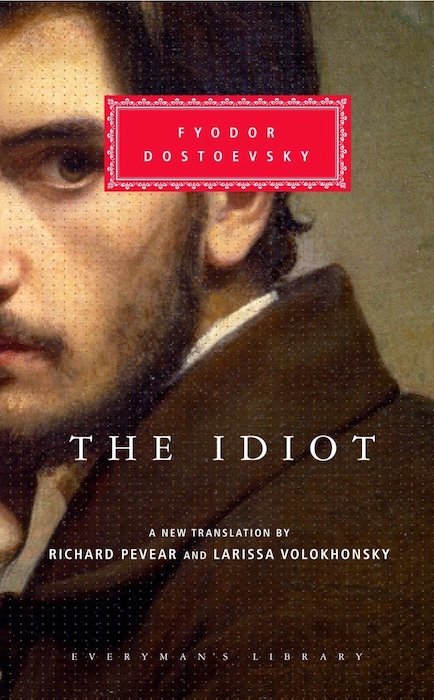
The Idiot
The Idiot follows Prince Lev Myshkin, a gentle and compassionate young man who returns to Russia after spending several years in a Swiss sanatorium receiving treatment for epilepsy. His sincerity, honesty, and lack of social pretension set him apart in the sophisticated but morally compromised world of St. Petersburg’s aristocracy, where his kindness is often mistaken for weakness or foolishness.
Myshkin becomes entangled in the lives of two women: Nastasya Filippovna, a beautiful woman haunted by past abuse and social humiliation, and Aglaya Yepanchina, a young woman drawn to the prince’s unusual character. As jealousy, romantic rivalry, and competing social ambitions intensify, Myshkin struggles to reconcile his ideal of unconditional compassion with the destructive realities of human behaviour.
Through its psychologically complex characters, Dostoevsky examines innocence, faith, suffering, pride, and the contradictions of human nature. The novel asks whether genuine goodness can survive in a society shaped by vanity, greed, and cruelty.
1869
2
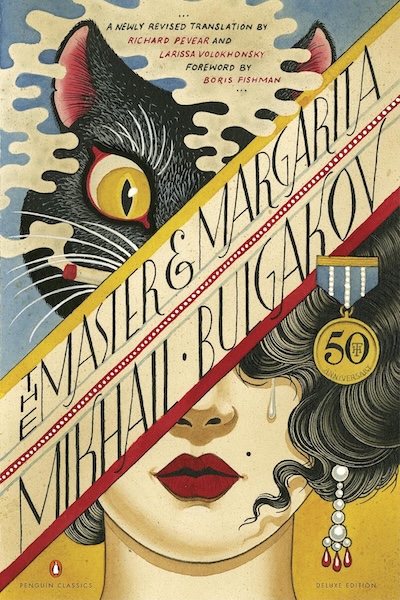
The Master and Margarita
The Master and Margarita is a surreal, satirical novel in which the Devil arrives in Moscow accompanied by a bizarre entourage, including a giant talking black cat. Their supernatural antics expose the hypocrisy, greed, cowardice, and corruption of Soviet society, throwing the city’s literary establishment and ordinary citizens into chaos.
Alongside this fantastical story, the novel follows the Master, a writer whose novel about Pontius Pilate has brought him persecution, and Margarita, the woman who loves him and refuses to abandon him. Desperate to find the Master, Margarita enters a dangerous bargain that leads her into the Devil’s extraordinary world. Interwoven with their story are chapters retelling the trial and execution of Jesus through the perspective of Pontius Pilate, who struggles with fear, conscience, and moral responsibility.
Blending fantasy, political satire, romance, and philosophical reflection, Bulgakov’s masterpiece explores the conflict between truth and authority, the power of love, artistic freedom, and the enduring struggle between good and evil.
1966
3

Cynics
Set in Moscow during the turbulent years following the Russian Revolution, Cynics is a darkly comic portrait of love, survival, and moral compromise under Bolshevik rule. At its center is Vladimir, an idealistic intellectual hopelessly in love with Olga, a woman whose priorities are shaped increasingly by the struggle to obtain food, warmth, and security. When Olga becomes interested in serving the revolution, Vladimir introduces her to his brother Sergei, a Bolshevik official. Their relationships develop into a painful love triangle in which personal desires collide with political ambition and material necessity.
Written in a sharp, fragmented style, Marienhof’s novel juxtaposes intimate emotions with the absurdities and brutality of everyday life during War Communism and the New Economic Policy. Its characters navigate a society where ideological convictions often conceal self-interest, and basic necessities can outweigh romantic ideals. Through biting satire, grotesque humor, and cinematic scenes, Marienhof exposes the contradictions of revolutionary life without romanticizing either the old order or the new regime. Initially published in Berlin because Soviet censorship prevented its domestic publication, Cynics remains a striking exploration of how political upheaval reshapes private morality and human relationships.
1973
4
The Mountain and the Wall
In The Mountain and the Wall, Shamil, a young journalist in Dagestan’s capital, Makhachkala, hears rumours that the Russian government intends to build a wall separating the Muslim regions of the North Caucasus from the rest of the country. As anxiety and unrest spread, Shamil finds himself confronting the political and religious divisions shaping his community. What begins as distant speculation gradually becomes an urgent personal and social crisis, forcing him to reconsider his own passivity. Ganieva portrays a region caught between competing ideologies, traditional beliefs, and the pressures of modern political life. Through Shamil’s experiences, the novel explores how intolerance and extremism can fracture communities and how ordinary people respond when the society around them begins to unravel.
2012
5
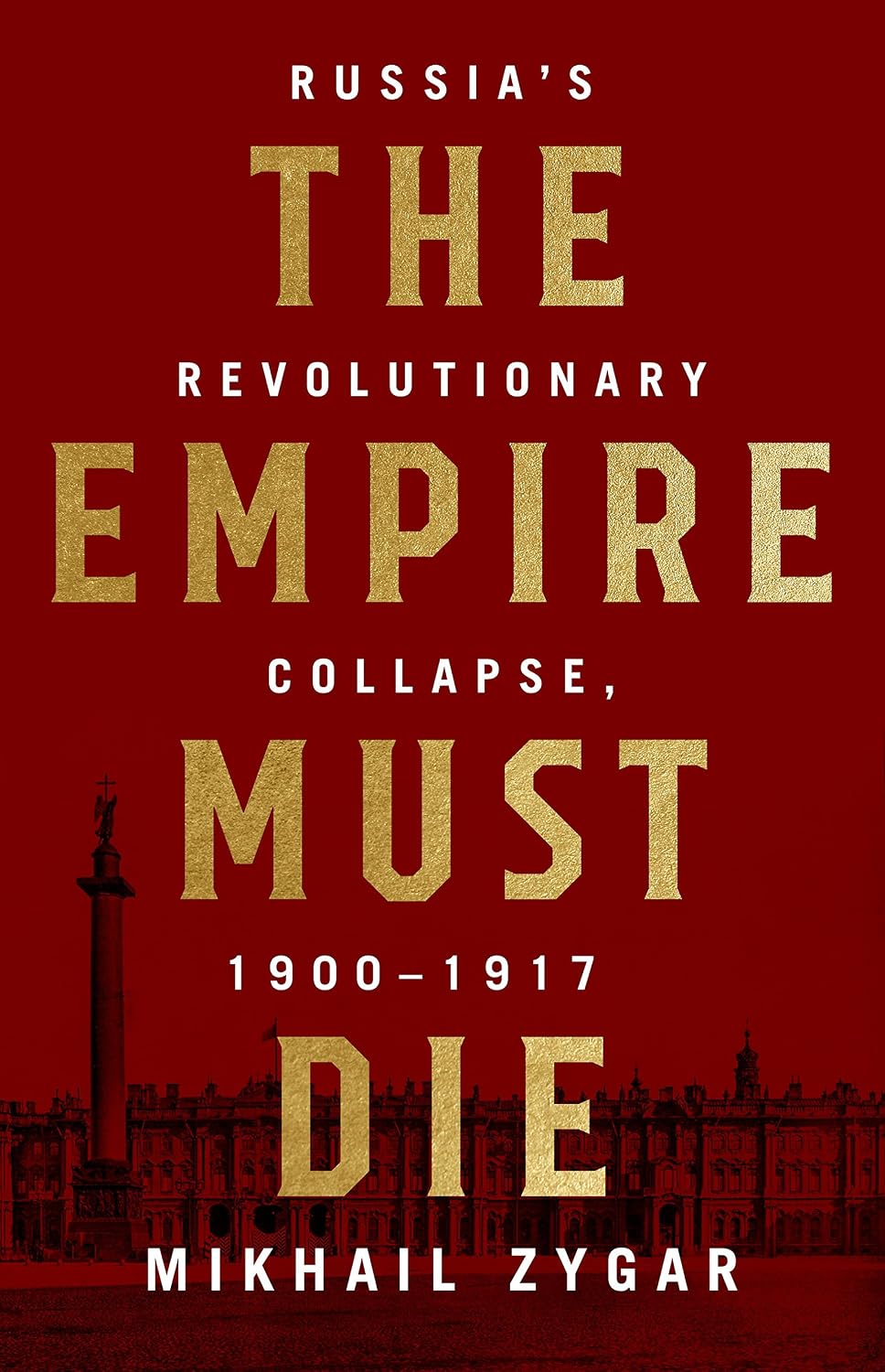
The Empire Must Die
The Empire Must Die: Russia’s Revolutionary Collapse, 1900–1917 reconstructs the political and cultural upheavals that preceded the fall of the Russian Empire. Through the lives of writers, artists, politicians, revolutionaries, and members of the imperial family, Mikhail Zygar traces a society caught between the possibility of reform and the persistence of authoritarian power. The book explores Russia’s brief flourishing of liberal ideas, the growing dissatisfaction with the monarchy, and the pressures of the First World War that helped bring the old order to collapse. Drawing on historical research and vivid character portraits, Zygar presents the revolution not as an inevitable event but as the outcome of decisions, rivalries, and missed opportunities that transformed the country’s future.
2017
6
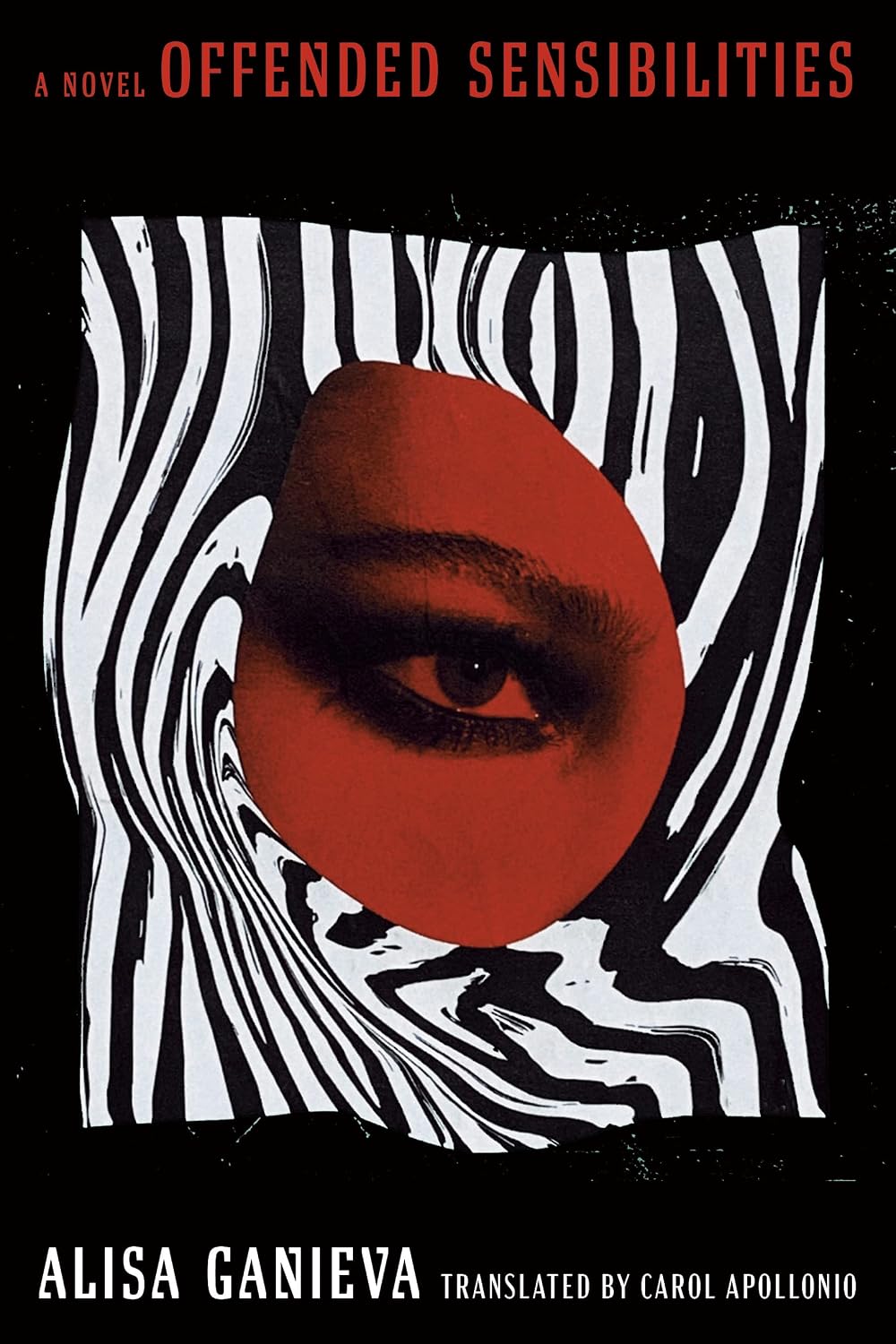
Offended Sensibilities
Offended Sensibilities is a darkly comic, neo-noir novel set in a provincial Russian town where a series of sudden deaths among local officials exposes a deeply dysfunctional system. The investigation unfolds against the backdrop of legislation criminalising forms of expression deemed offensive to religious believers. As the characters navigate corruption, political manoeuvring, religious nationalism, and personal hypocrisy, the line between justice and absurdity becomes increasingly blurred. Ganieva uses the mystery to examine a society in which public morality can become a tool of political control and where almost everyone has something to hide. Combining elements of crime fiction and political satire, the novel offers a sharp critique of contemporary Russian institutions and the contradictions between official values and private behaviour.
2021
7
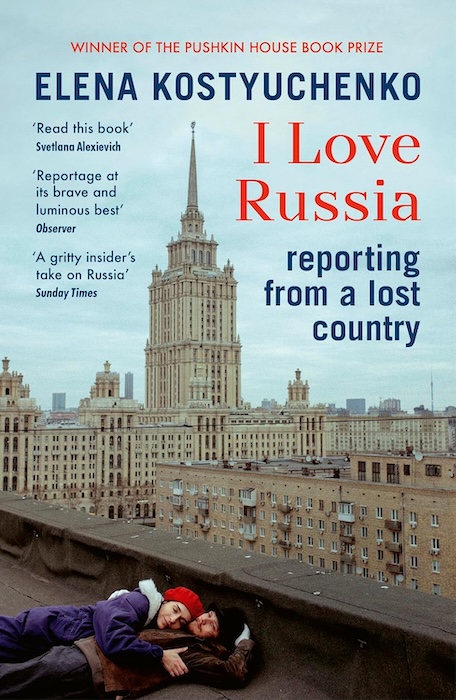
I Love Russia
I Love Russia brings together investigative reporting and personal essays to portray a country through the lives of people often excluded from its official narrative. Journalist Elena Kostyuchenko writes about sex workers, LGBTQ+ people, residents of neglected institutions, and communities affected by violence and political repression. Her reporting also follows the consequences of Russia’s invasion of Ukraine, examining the human realities behind state propaganda and military aggression. Rather than presenting Russia as a single, uniform society, Kostyuchenko reveals its contradictions through the experiences of individuals whose stories challenge dominant political narratives. The book explores the complicated relationship between love for one’s country and the responsibility to criticise its government, presenting journalism as an act of witnessing, resistance, and moral commitment.
2023
8
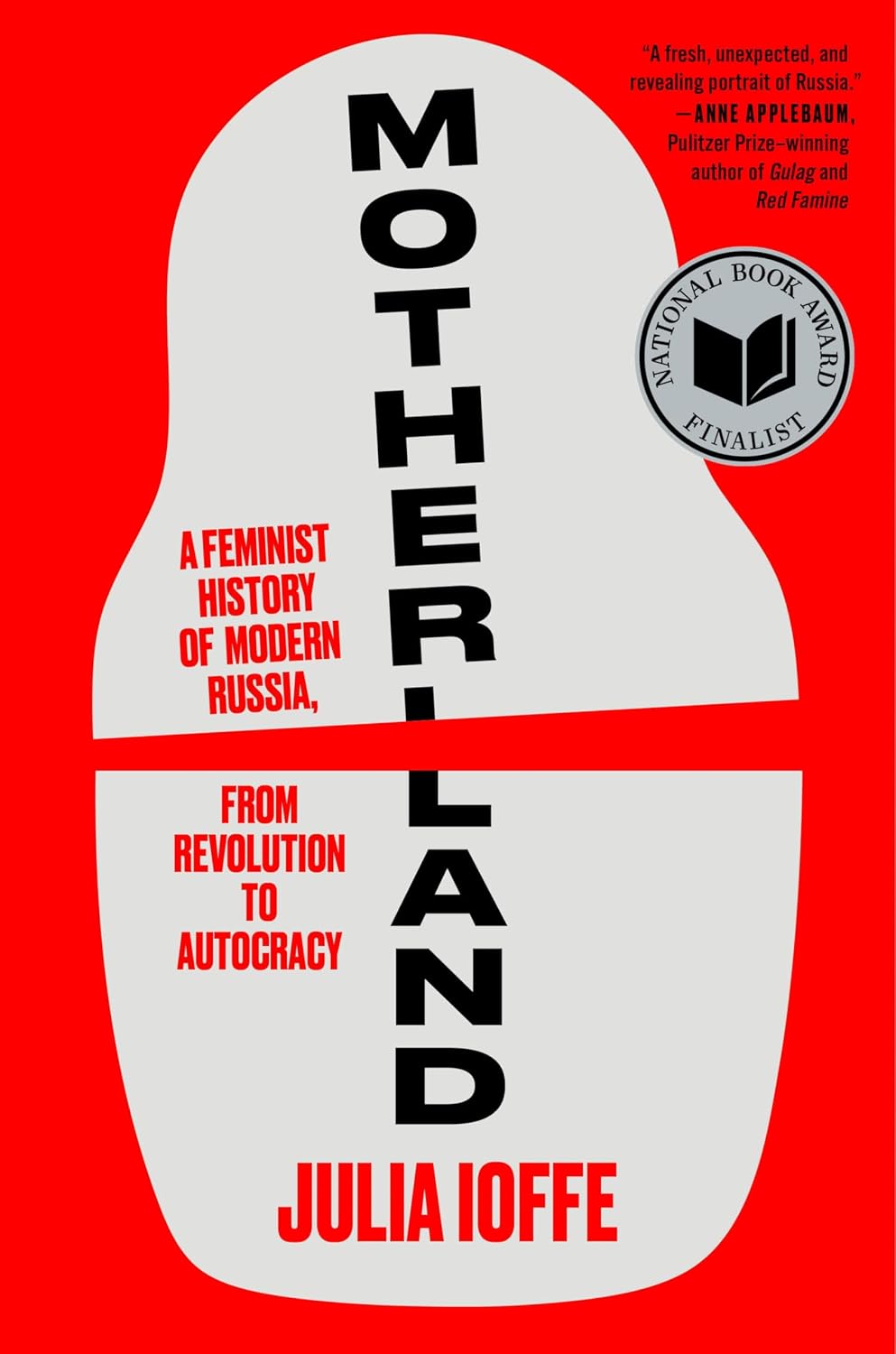
Motherland
How did Russia move from presenting itself as a pioneer of women’s emancipation to embracing conservative values and authoritarian rule? In Motherland, journalist Julia Ioffe explores modern Russian history through the lives of the women who experienced, shaped, and survived its transformations.
Combining historical research, personal memoir, and investigative journalism, Ioffe traces a century of upheaval, from the revolutionary promises of early Soviet feminism to the hardships of the Second World War and the contradictions of contemporary Russian society. She brings together the stories of her own Jewish-Russian family, feminist revolutionaries, women who fought on the front lines, single mothers who rebuilt their lives after the war, and modern activists challenging political repression.
Rather than telling Russia’s story solely through its male rulers, Ioffe places women’s experiences at the centre of the national narrative. She examines how political ideals shaped women’s opportunities, how successive generations carried the burdens of social change, and how the failure of emancipatory promises contributed to the rise of modern authoritarianism.
A finalist for the 2025 National Book Award for Nonfiction, Motherland offers a compelling exploration of feminism, power, historical memory, and the complicated relationship between personal lives and national identity.
2025