Books from Palestine
Suggest a book
All genres
Historical Fiction
Literary Fiction
Fantasy
Romance
Horror
Thriller
Non-Fiction
Mystery
Memoir
Classics
History
Sci-Fi
Contemporary Fiction
Science Fiction
Fiction
Poetry
Essays
Family Saga
Magical Realism
Family Drama
Dark Academia
Psychological Fiction
Dark Comedy
Political Writing
Feminist Fiction
Satire
Campus Fiction
Cultural Studies
Biography
Philosophy
Comedy
Drama
Young Adult
Gothic
Dystopia
Crime
Children's Books
Short Stories
Mythology
Cozy
Retellings
Humour
Adventure
All themes
Love & Passion
Adventure & Journey
Identity & Belonging
War & Conflict
Freedom & Resistance
Family & Heritage
Nature & Landscape
Society & Class
Spirituality & Faith
Solitude & Exile
Coming of Age
Revolution & Change
Friendship
History
Immigration
Myths and Retellings
Colonialism
Women & Society
Mental Health
Motherhood
1
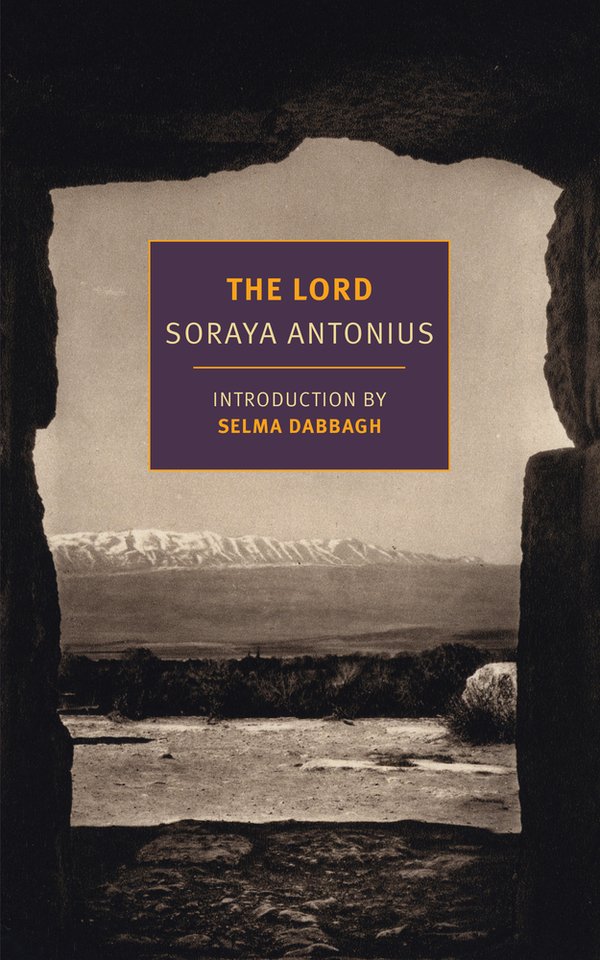
The Lord
In British-ruled Palestine, a charismatic young man named Tareq becomes a figure of mystery and resistance. After leaving school, he travels from village to village as a magician, performing astonishing feats that earn him a devoted following. But beneath his extraordinary reputation lies a growing defiance of British colonial authority. As unrest spreads across Palestine and the 1936 Arab Revolt approaches, Tareq’s influence attracts the attention of Challis, a ruthless British police chief determined to crush the resistance. Decades later, amid the Israeli invasion of Lebanon in 1982, an English missionary recalls the young man whose fate became intertwined with the history of a nation. Rich in historical detail and vivid depictions of Palestinian society before the Nakba, The Lord explores resistance, colonial power, and the lives of people caught in the struggle for their homeland.
2025
2
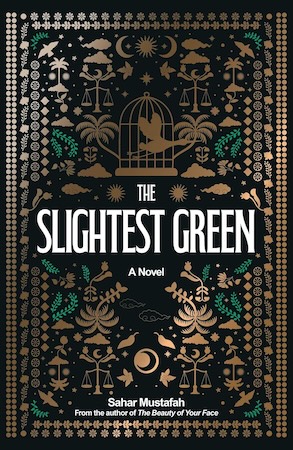
The Slightest Green
When Intisar Jaber receives news that her estranged father is dying, she leaves her life in Chicago behind and returns to Palestine, a land she barely remembers but has never entirely escaped. Her father, Hafez, abandoned her family decades earlier to join the resistance, only to spend the rest of his life imprisoned. Now, standing in her ancestral village, Intisar must confront the complicated legacy he left behind and the unfamiliar feeling of being a stranger in her own homeland. Meanwhile, her grandmother Sundus fights to protect the family home from those seeking to take it away. As the two women navigate grief, fractured family ties, and the enduring struggle to preserve their inheritance, Intisar faces a difficult choice between the life she has built in America and the history calling her back. The Slightest Green is a moving multigenerational novel about Palestinian identity, displacement, and the powerful connection between people and the land they call home.
2025
3
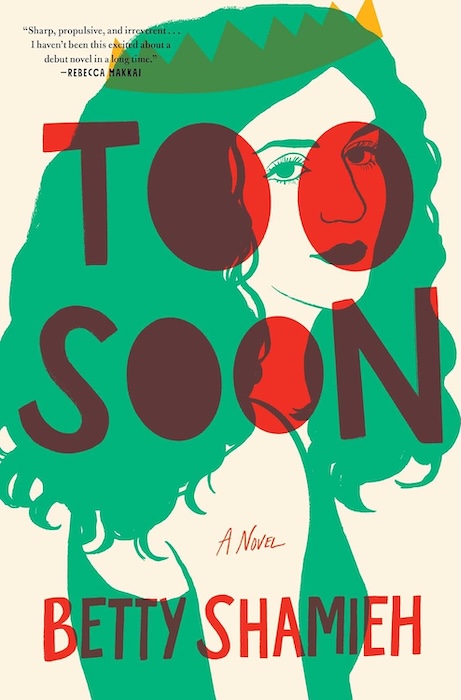
Too Soon
Too Soon follows three generations of Palestinian American women—grandmother Zoya, mother Naya, and granddaughter Arabella—as they navigate love, ambition, exile, and cultural identity across decades. Their family history stretches from their displacement from Jaffa in 1948 to their pursuit of the American Dream and their lives in the New York theatre world. Arabella, a thirty-five-year-old theatre director, faces complicated romantic choices and an opportunity to stage a provocative production in the West Bank, while her mother and grandmother attempt to guide her future and confront secrets from their past. Blending sharp humor with emotional depth, Betty Shamieh explores the lasting effects of displacement, the tensions between tradition and independence, and the struggle to define oneself across generations. The novel celebrates the resilience of women determined to pursue love and freedom on their own terms.
2025
4
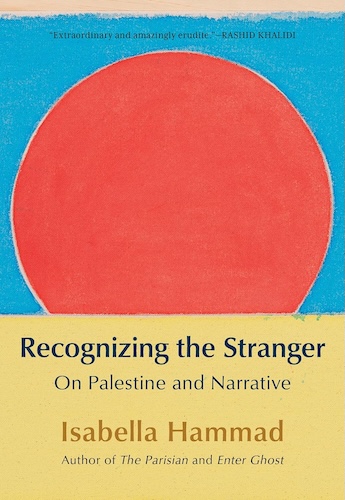
Recognizing the Stranger: On Palestine and Narrative
Who gets to tell a people’s story—and what happens when the world refuses to listen? In this powerful essay, Isabella Hammad examines how narratives shape our understanding of Palestine, political violence, and the struggle for freedom. Drawing on the work of Palestinian intellectual Edward Said, she explores how literature can challenge dominant perspectives, complicate simplistic political narratives, and make space for experiences that are too often overlooked. The book brings together Hammad’s 2023 Edward W. Said Memorial Lecture at Columbia University and a subsequent afterword written in early 2024, reflecting on the war in Gaza and the urgent struggle over how it is represented. A thoughtful meditation on storytelling, power, and moral responsibility, it asks readers to reconsider not only the stories they hear, but also the voices they may have learned not to recognize.
2024
5
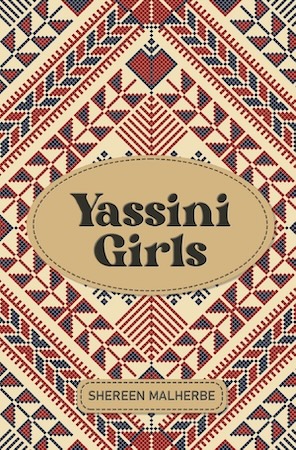
Yassini Girls
In the ancient streets of Jerusalem, Fatima receives an unexpected phone call that awakens memories she has spent years trying to bury. Thousands of miles away in the English countryside, Layla discovers a family heirloom hidden beneath her attic floor, setting her on a journey into the painful, long-silenced history of Palestine. As the two women’s stories begin to converge, family secrets reveal the enduring consequences of displacement and the fragile threads connecting generations to their homeland. Inspired by the author’s own discovery of her family’s history during a BBC documentary, Yassini Girls is a deeply personal novel about Palestinian identity, inherited trauma, and the power of storytelling to preserve what history threatens to erase. Through the traditions, memories, and resilience of Palestinian women, it explores how understanding the past can become an act of resistance and a way of safeguarding the future.
2024
6
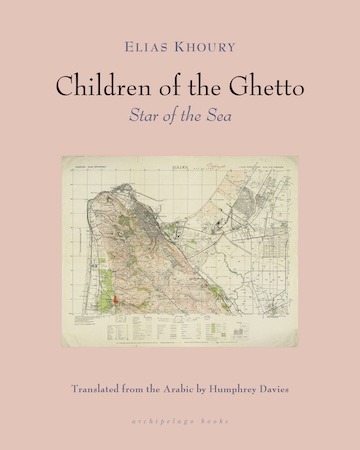
Children of the Ghetto: Star of the Sea
How many lives can one person inhabit before losing sight of who he really is? Adam Dannoun was an infant when the 1948 Nakba tore his family apart and destroyed his childhood home in Lydda, Palestine. Years later, after fleeing an oppressive stepfather, he arrives in Haifa determined to reinvent himself. He becomes Adam Danon, a young man with a fabricated past who claims to be Jewish and born in the Warsaw Ghetto. His new identity offers him a chance to escape his history, but it also traps him in a web of lies, particularly when he falls in love with the daughter of the man who has taken him in. As Adam moves between identities, Elias Khoury explores the devastating consequences of displacement and the impossibility of escaping collective memory. Both a deeply personal story and a sweeping reflection on Palestinian history, this novel asks whether reinvention can ever erase the wounds of the past.
2024
7
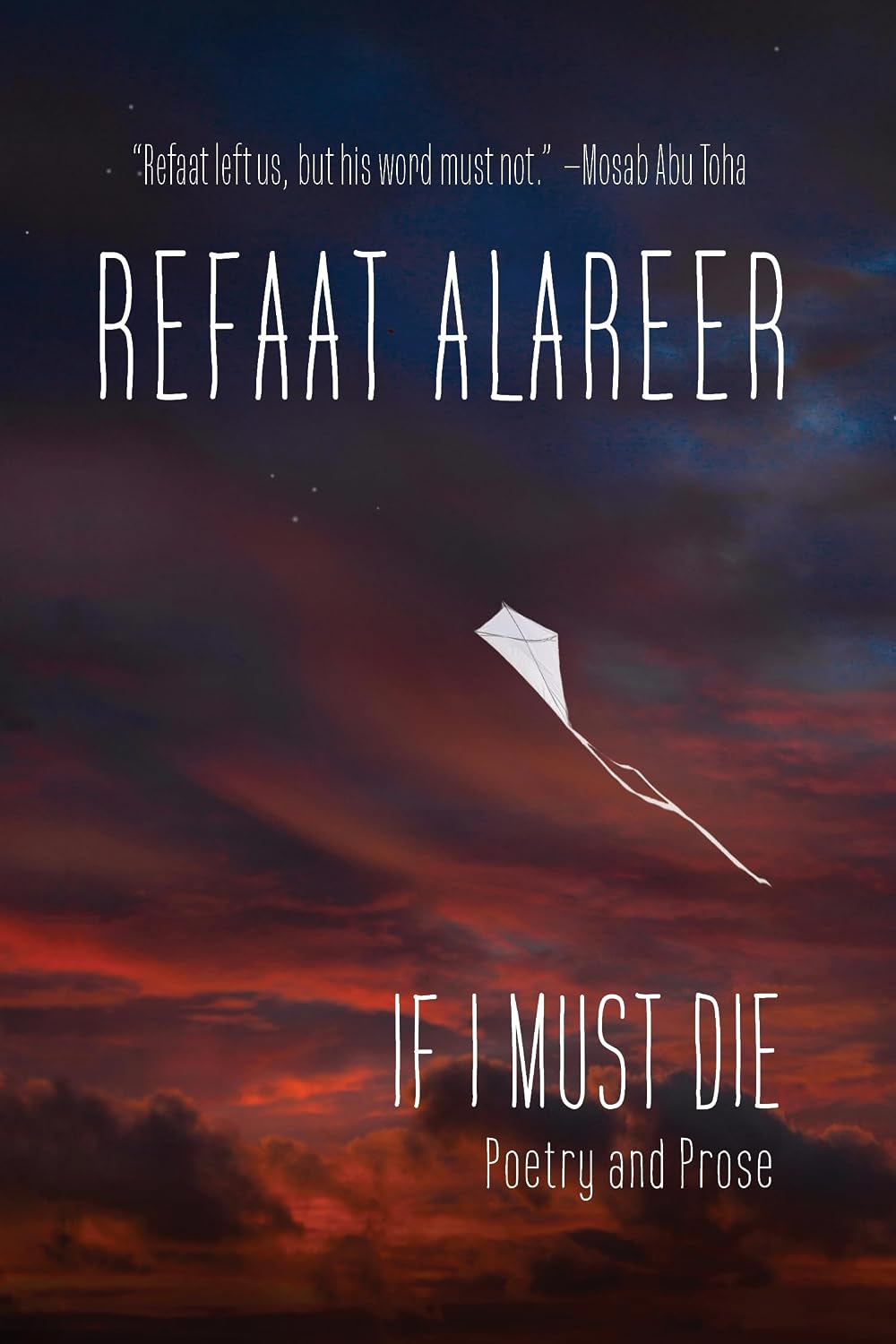
If I Must Die
If I Must Die: Poetry and Prose is a collection of poems, essays, and short writings by Palestinian writer and academic Refaat Alareer, bringing together his reflections on life in Gaza, the experience of occupation, and the enduring importance of storytelling. Through intimate personal accounts and powerful literary expression, Alareer explores grief, displacement, resistance, and the determination to preserve Palestinian identity amid violence and destruction. The collection includes his internationally known poem “If I Must Die,” which imagines a kite as a symbol of hope and a message to the world. Combining political urgency with tenderness and humanity, the book bears witness to the experiences of Palestinians while celebrating their cultural heritage, collective memory, and desire for freedom. It stands as both a literary testament and a call to remember the human lives behind the headlines.
2024
8
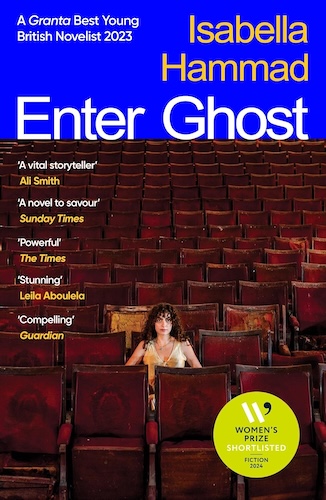
Enter Ghost
What does it mean to perform a tragedy when your own life is shaped by one? After a painful love affair, British-Palestinian actress Sonia Nasir returns to Haifa to visit her sister, reconnecting with a homeland she has long kept at a distance. There, she joins a daring theatrical production of Shakespeare’s Hamlet in the occupied West Bank, playing Gertrude alongside a company of Palestinian actors determined to bring the play to life despite political restrictions, personal rivalries, and the daily realities of occupation. As rehearsals progress, Sonia begins to reconsider her relationship with Palestine, her family, and her own identity. Weaving Shakespearean tragedy with contemporary Palestinian experience, Isabella Hammad’s powerful novel explores displacement, resistance, and the transformative potential of art when simply telling a story becomes an act of defiance.
2023
9
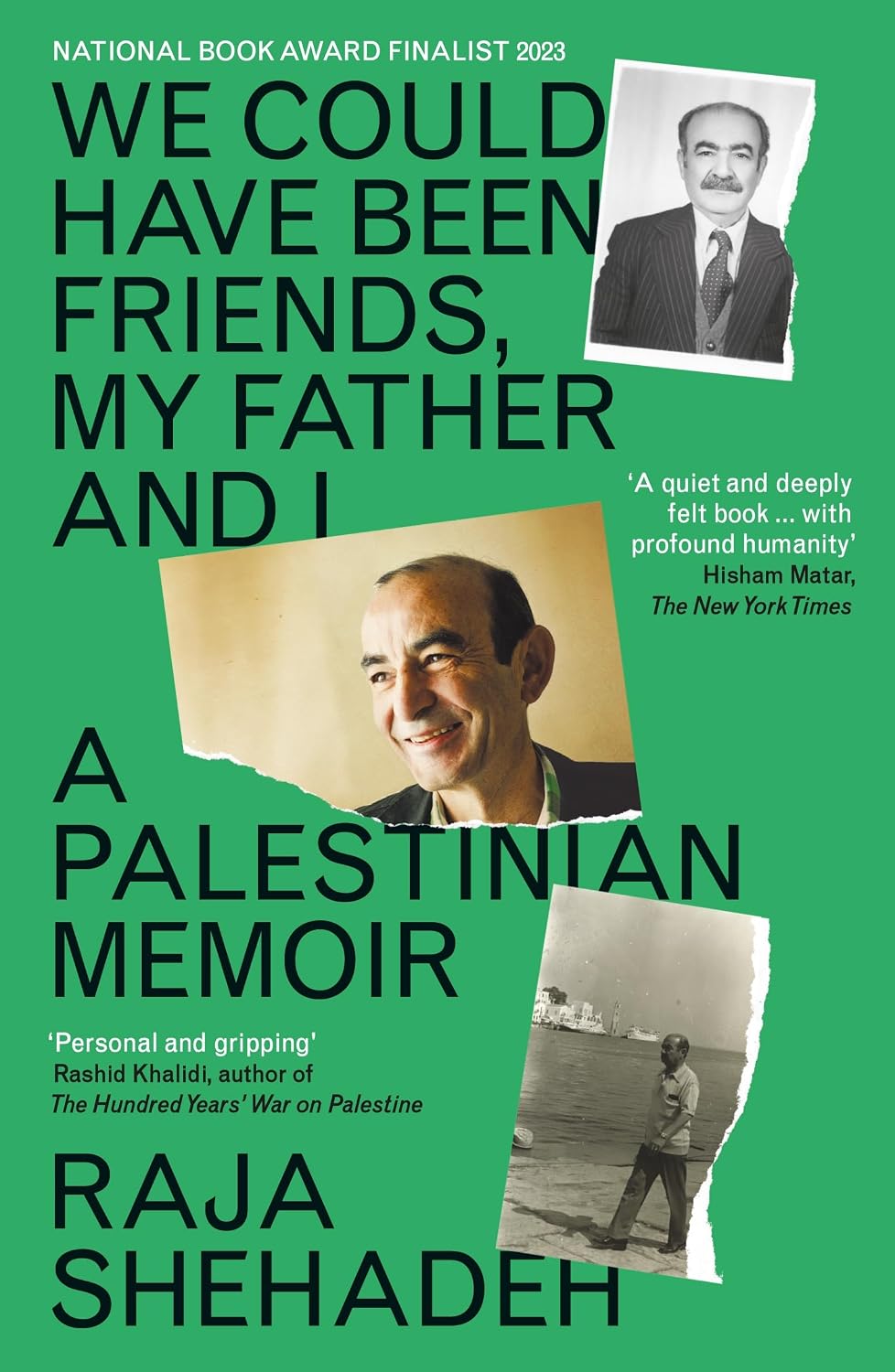
We Could Have Been Friends, My Father and I
In We Could Have Been Friends, My Father and I, Palestinian writer and human rights lawyer Raja Shehadeh reflects on his complex relationship with his father, Aziz Shehadeh, a prominent lawyer and advocate for Palestinian rights. Through personal memories, family history, and historical research, Raja reconstructs his father’s life and examines the political convictions that shaped their relationship. Aziz believed in pursuing justice through legal means and sought peaceful solutions to the Palestinian struggle, while his son developed his own understanding of resistance, identity, and belonging. Their differences often created emotional distance, leaving unspoken feelings and misunderstandings between them. Against the backdrop of British rule, the creation of Israel, and the continuing transformation of Palestinian society, Shehadeh explores how political conflict enters even the most intimate family relationships. The memoir is both a tribute to his father and an attempt to understand him more fully, asking whether shared experiences and renewed understanding can bridge the distance between generations. It offers a deeply personal meditation on family, history, reconciliation, and the possibility of connection despite profound differences.
2022
10
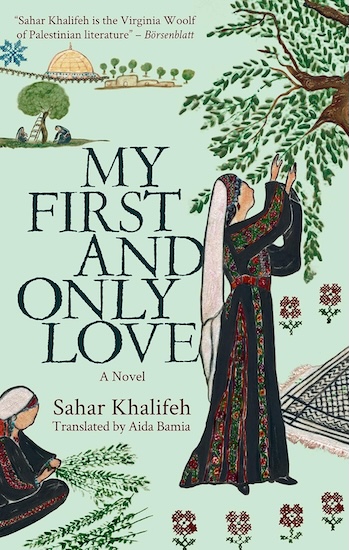
My First and Only Love
After decades of exile, Nidal returns to her family’s ancestral home in Nablus, hoping to restore the crumbling house and reconnect with the land she left behind. As she revisits the memories of her childhood, she recalls falling in love with Rabie, a young freedom fighter whose ideals embodied her hopes for Palestine’s future. Their love unfolds against the final years of the British Mandate, when political upheaval, resistance, and the struggle for national independence transform ordinary lives. Years later, when Nidal and Rabie meet again, he encourages her to read the memoirs of her uncle Amin, revealing long-buried family secrets and the hidden history of her absent mother. Through intertwined stories of love, loss, and resistance, Sahar Khalifeh explores how political conflict fractures families, separates lovers, and reshapes personal destinies. This sweeping novel is both an intimate portrait of a woman confronting her past and a meditation on the enduring connection between love, memory, and homeland.
2021
11
Against the Loveless World
Against the Loveless World follows Nahr, a Palestinian woman whose life is shaped by displacement, political conflict, and the struggle for independence. Born in Kuwait to Palestinian refugee parents, she dreams of finding love, raising a family, and building a stable future. Instead, a series of betrayals and difficult circumstances leads her through different countries in the Middle East, where she encounters exploitation, prejudice, and political upheaval. As the story unfolds through memories narrated from solitary confinement, Nahr reveals the experiences that shaped her transformation from a vulnerable young woman into someone determined to resist the forces controlling her life. Abulhawa explores the intersection of personal freedom and political oppression, examining how gender, exile, and economic hardship influence women’s choices. The novel is a powerful portrait of survival and the determination to claim dignity in an unjust world.
2020
12
Minor Detail
Minor Detail by Palestinian writer Adania Shibli is a haunting novel that connects a crime committed in the Negev desert in 1949 with a contemporary woman’s search for the truth decades later. The first part recounts the abduction, rape, and murder of a young Bedouin woman by Israeli soldiers shortly after the 1948 war, presenting the events through a detached, almost clinical narrative that emphasizes the brutality of the act and the victim’s anonymity. In the second part, a Palestinian woman in Ramallah becomes obsessed with a seemingly minor detail: the exact date of the crime. Determined to investigate, she travels across checkpoints and restricted territories, confronting the physical and psychological barriers that shape life under occupation. Through spare prose and a carefully controlled structure, Shibli explores violence, historical erasure, memory, and the unequal power to tell stories. The novel asks how forgotten suffering can be recovered and what it means to seek truth in a landscape where history remains deeply contested.
2020