Books from Pakistan
Suggest a book
All genres
Historical Fiction
Literary Fiction
Fantasy
Romance
Horror
Thriller
Non-Fiction
Mystery
Memoir
Classics
History
Sci-Fi
Contemporary Fiction
Science Fiction
Fiction
Poetry
Essays
Family Saga
Magical Realism
Family Drama
Dark Academia
Psychological Fiction
Dark Comedy
Political Writing
Feminist Fiction
Satire
Campus Fiction
Cultural Studies
Biography
Philosophy
Comedy
Drama
Young Adult
Gothic
Dystopia
Crime
Children's Books
Short Stories
Mythology
Cozy
Retellings
Humour
Adventure
All themes
Love & Passion
Adventure & Journey
Identity & Belonging
War & Conflict
Freedom & Resistance
Family & Heritage
Nature & Landscape
Society & Class
Spirituality & Faith
Solitude & Exile
Coming of Age
Revolution & Change
Friendship
History
Immigration
Myths and Retellings
Colonialism
Women & Society
Mental Health
Motherhood
1
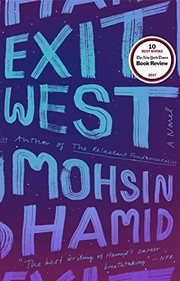
Exit West: A Novel
Exit West follows Nadia and Saeed, two young people who fall in love in an unnamed country descending into civil war. As violence spreads through their city, everyday life becomes increasingly dangerous, and the couple begins searching for a way to escape. They hear rumours of mysterious doors that can transport people to distant countries, offering a possible route to safety. After passing through one of these doors, Nadia and Saeed find themselves navigating the uncertainties of refugee life in unfamiliar places, including Greece, London, and California. Their relationship changes as they adapt to new communities and confront the emotional costs of displacement. Blending realism with speculative fiction, Hamid explores migration, borders, belonging, and the resilience required to build a future after leaving home. The novel also asks how movement across borders transforms individuals and societies.
2017
2
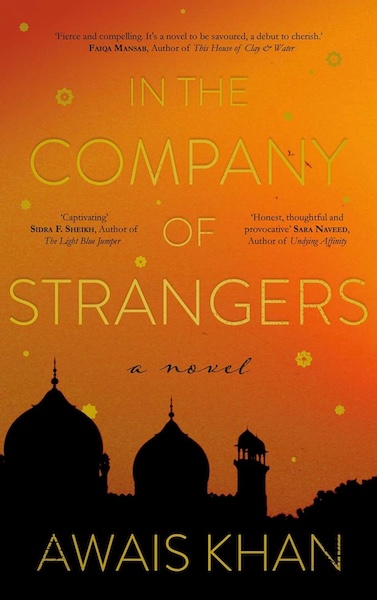
In the Company of Strangers
In the Company of Strangers follows Mona, a forty-one-year-old woman living in Lahore’s wealthy social circles. Despite her financial comfort and privileged lifestyle, she feels trapped in a loveless marriage to a cruel businessman and longs for genuine affection and independence. Seeking an escape from her emotional isolation, she reconnects with an old friend, Meera, who introduces her to a world of glamorous parties, secret affairs, and drugs. There, Mona meets Ali, a younger man whose troubled past and difficult circumstances conceal a deep emotional vulnerability.
As Mona and Ali fall into a forbidden relationship, their attempts to find happiness threaten to unravel their carefully maintained public lives. Against the backdrop of contemporary Pakistan, Awais Khan explores the contradictions of a society where wealth and status coexist with rigid social expectations and hidden suffering. The novel examines class inequality, gender roles, loneliness, and the price of personal freedom, revealing how the desire to escape one form of confinement can lead to unexpected and devastating consequences.
2019
3
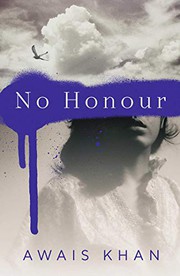
No Honour
No Honour follows sixteen-year-old Abida, who lives in a small Pakistani village governed by strict traditions and expectations surrounding family honour. Determined to choose whom she loves and build a life of her own, Abida challenges the conventions that control women’s lives. When her choices place her in grave danger, she escapes to Lahore with the help of her devoted father, Jamil, who risks everything to protect her.
As Jamil searches for his missing daughter, both are drawn into a world where the threats facing vulnerable women extend far beyond their village. Moving between rural Pakistan and the crowded streets of Lahore, Awais Khan explores the devastating consequences of honour-based violence, forced conformity, and gender inequality. The novel also examines the complicated relationship between parents and children, particularly the courage required to challenge deeply rooted cultural expectations. Through Abida’s struggle for survival and independence, No Honour becomes a powerful story about love, resilience, and the right to determine one’s own future.
2021
4
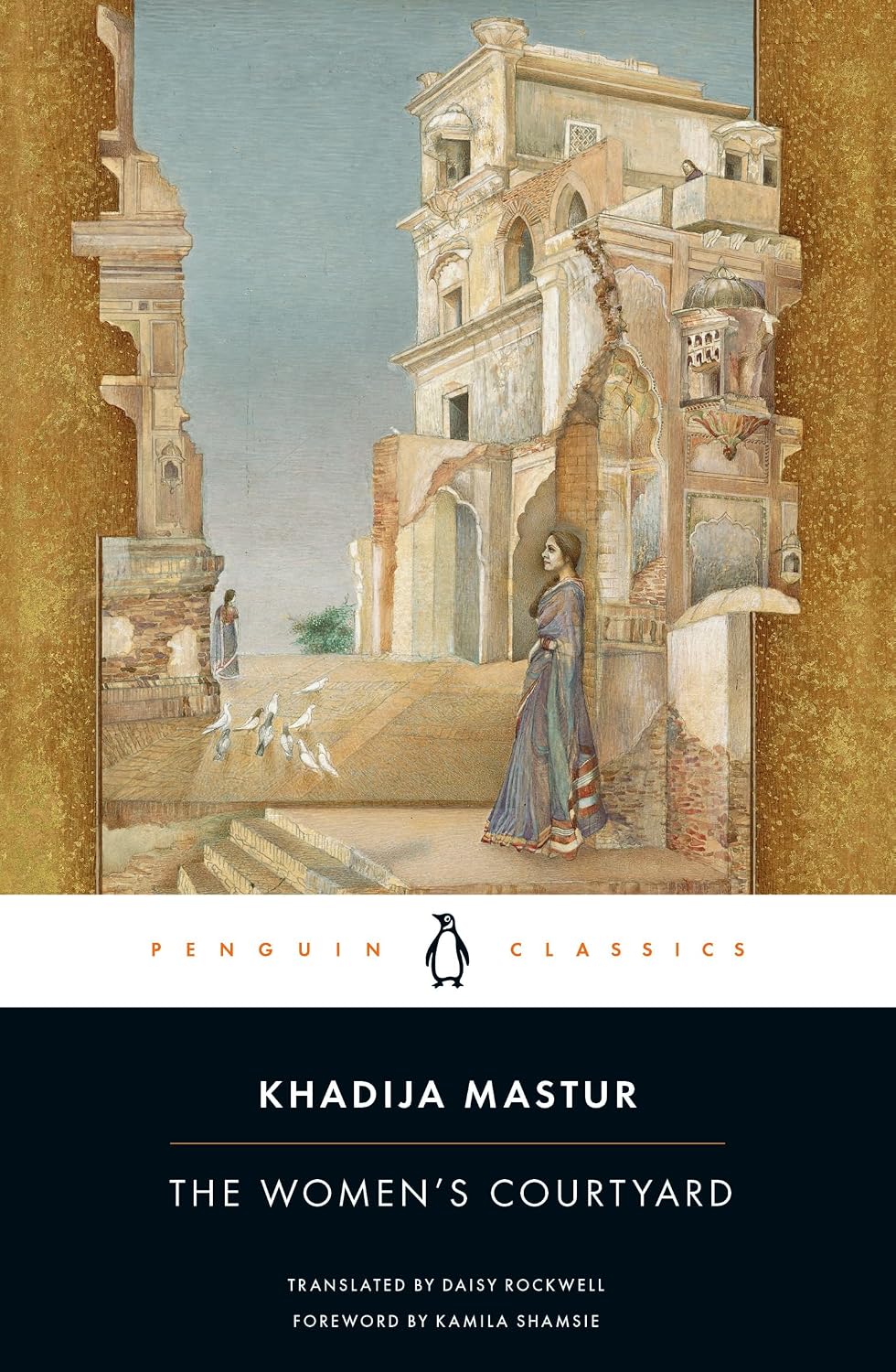
The Women's Courtyard
The Women’s Courtyard follows Aliya, a young Muslim girl growing up in an extended family in the years surrounding the Partition of British India. Much of the family’s life unfolds within the secluded courtyard of their home, where women manage domestic responsibilities, negotiate relationships, and respond to the political changes taking place beyond their walls. While the men become absorbed in the struggle for independence, the women face mounting financial difficulties and the consequences of decisions made largely without their participation. Aliya, meanwhile, longs for an education and a future that extends beyond the limits imposed on her. Through the everyday experiences of the household, Mastur presents a distinctive perspective on a period usually narrated through political leaders and public events. The novel explores gender inequality, family obligations, and women’s quiet determination to claim greater control over their lives.
2025
5
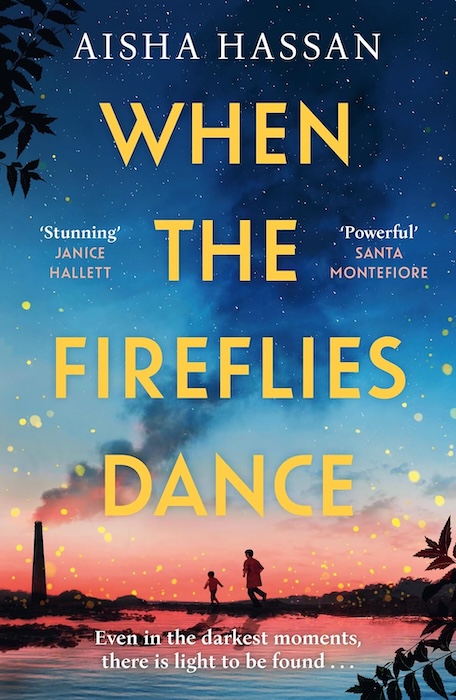
When the Fireflies Dance
When the Fireflies Dance tells the story of Lalloo, a young boy growing up in poverty near Lahore, Pakistan, where his family is trapped in a system of bonded labour at a brick kiln. After witnessing the brutal murder of his brother, Lalloo struggles to overcome the trauma of that night while confronting the exploitation and violence that govern his family’s existence. His parents and sisters remain trapped in a cycle of debt, forced to work endlessly under oppressive conditions. Determined to change their circumstances, Lalloo must find the courage to confront his past and seek a different future. Inspired by the realities of bonded labour in South Asia, Hassan explores injustice, family loyalty, and the human cost of exploitation. The novel portrays the resilience required to challenge an oppressive system and the hope that can survive even in the darkest circumstances.
2025