Peru
South America
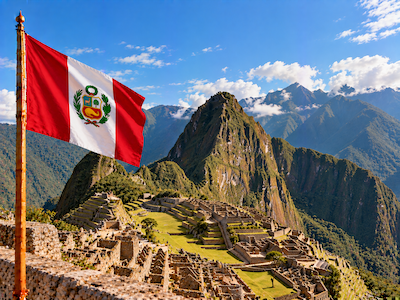
Peru is a country on the western coast of South America, known for its extraordinary geographical diversity, from the Andes Mountains and ancient highland settlements to the Amazon rainforest and Pacific coastline. Its landscapes include snow-capped peaks, deep valleys, desert plains, and fertile river basins. Lima, the capital, is a major cultural center, while Cusco and the Sacred Valley preserve remarkable traces of the Inca civilization. Peruvian culture reflects a rich blend of Indigenous Andean traditions, Spanish colonial heritage, and Amazonian influences, with Quechua and Aymara remaining important cultural and linguistic traditions.
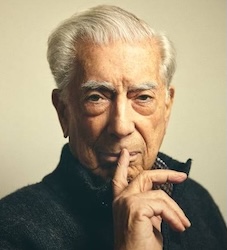
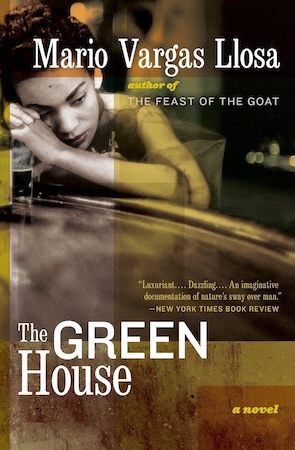
Peruvian literature draws on pre-Columbian oral traditions, Andean myths, Quechua poetry, folk tales, and Spanish-language writing. The Inca world preserved knowledge and history through oral narratives, songs, and performance, while Indigenous languages continue to carry distinctive ways of understanding community, nature, and ancestry. The colonial period brought new literary forms and complex encounters between European and Indigenous traditions. One of Peru’s most influential writers is José María Arguedas, whose novels, including Deep Rivers, explore the tensions between Indigenous Andean culture and the Spanish-speaking world. César Vallejo, widely regarded as one of the most innovative poets in Spanish, transformed modern poetry through his explorations of suffering, solidarity, and human vulnerability. Other major authors include Mario Vargas Llosa, Nobel Prize winner and author of The Time of the Hero; Clorinda Matto de Turner, a pioneering voice addressing Indigenous rights; and Julio Ramón Ribeyro, known for his short stories about urban life and social inequality. Contemporary Peruvian literature often examines Indigenous identity, colonialism, class, migration, political violence, memory, and the relationship between tradition and modernity.