New Zealand
Oceania
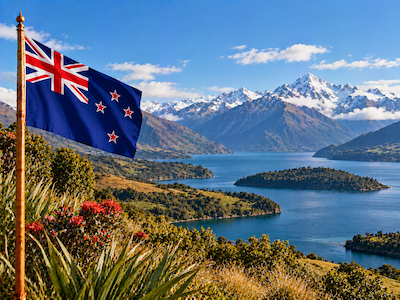
New Zealand is an island country in the southwestern Pacific Ocean, known for its dramatic mountains, deep fjords, volcanic landscapes, green valleys, and rugged coastlines. The North Island features geothermal areas, rolling farmland, and lively cities such as Auckland and Wellington, while the South Island is famous for the Southern Alps, glacial lakes, and remote wilderness. New Zealand’s cultural identity brings together Māori heritage, Polynesian traditions, and European influences, with Māori language, storytelling, and customs playing an important role in national life.
New Zealand literature draws on Māori oral traditions, ancestral narratives, legends, chants, and storytelling, alongside a written literary tradition shaped by British settlement and the development of a distinct national identity. Māori traditions include stories of creation, the demigod Māui, and the relationships between people, ancestors, and the natural world. These narratives continue to influence contemporary writing. Important writers include Katherine Mansfield, celebrated for her modernist short stories; Janet Frame, whose fiction explores identity, alienation, and the complexities of human experience; Witi Ihimaera, one of the first Māori novelists to achieve wide international recognition; and Patricia Grace, whose work centers Māori communities, family, and cultural identity. Contemporary New Zealand literature frequently explores colonialism, Indigenous rights, migration, belonging, family, gender, environmental change, and the relationship between Māori and Pākehā (New Zealand European) experiences. Writers increasingly reflect the country’s diverse Pacific and Asian communities as well.