Nigeria

Africa
Nigeria
30
books
25
authors

Books from Nigeria

1
The Fishermen
The Fishermen
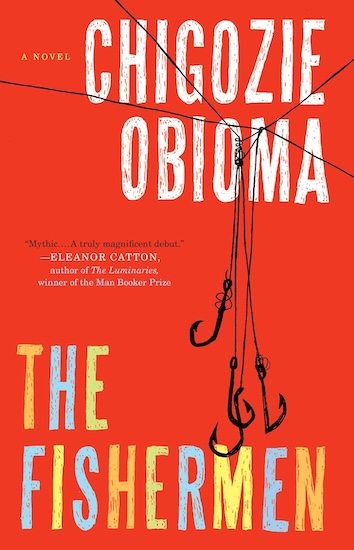
In 1990s Nigeria, four brothers— Ikenna, Boja, Obembe, and Benjamin—enjoy a close bond until their father leaves their hometown of Akure for work. Taking advantage of his absence, the boys skip school to fish at a forbidden river. There, they encounter Abulu, a local man believed to be mad, who delivers a terrifying prophecy: the eldest brother, Ikenna, will be killed by one of his own siblings. The prediction plants a seed of suspicion that gradually poisons the brothers’ relationship. As Ikenna becomes increasingly consumed by fear and paranoia, the family struggles to understand the forces tearing them apart. Narrated by nine-year-old Benjamin, the novel follows the devastating consequences of a single prophecy, exploring how belief, fear, and resentment can transform love into violence. Blending Nigerian folklore, biblical allusions, and the structure of Greek tragedy, The Fishermen is both an intimate portrait of a family in crisis and a broader meditation on fate, brotherhood, and the fragility of human relationships.
2015
2
The Road to the Country
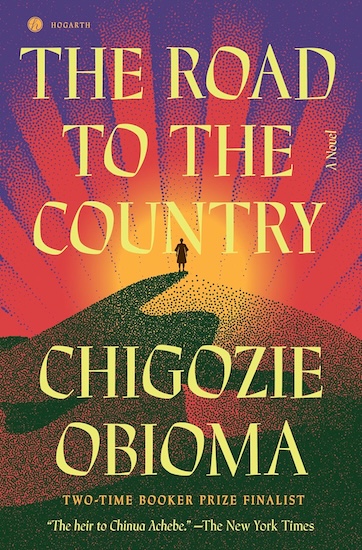
Nigeria, 1967. When Kunle Aromire discovers that his younger brother, Tunde, has disappeared into the breakaway territory of Biafra during the Nigerian Civil War, he sets out on a desperate mission to find him. Haunted by guilt over a childhood accident that left Tunde disabled, Kunle feels compelled to bring his brother home. But his search takes an unexpected turn when he crosses into Biafran territory and is forcibly conscripted into its army. Thrown into a conflict he barely understands, Kunle must navigate the brutal realities of warfare while forming unlikely friendships with fellow soldiers. He also encounters Agnes, a courageous woman whose presence challenges his understanding of love, sacrifice, and duty. Alongside the horrors of battle, mystical prophecies shape Kunle’s journey, blurring the boundaries between fate and free will. Blending historical realism with Igbo folklore and spirituality, The Road to the Country explores brotherhood, guilt, and the devastating human cost of civil war. Through one young man’s search for redemption, Obioma illuminates a pivotal and painful chapter of Nigerian history, asking how people preserve their humanity when their country is torn apart.
2024
3
Hafsatu Bebi
Hafsatu Bebi
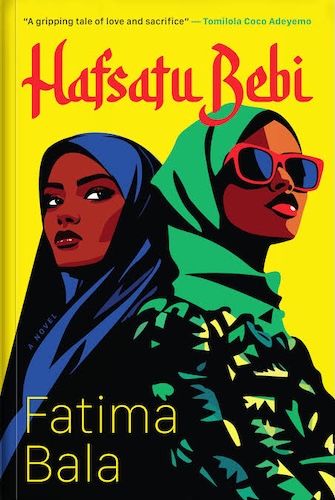
Twenty-two-year-old Hafsatu Gaya seems to have everything in place: a promising career running a fashion label in Abuja, a loving family, and a relationship with one of the city’s most eligible bachelors. But when an impulsive decision brings long-buried family secrets to the surface, Hafsatu’s carefully constructed world begins to unravel. She must confront painful truths about her family’s past and question how well she really knows the people closest to her. Running alongside Hafsatu’s story is the heartbreaking love story of Zuwaira, an orphan whose hopes for a better life are repeatedly thwarted by social expectations and circumstances beyond her control. Although the two women belong to different generations and occupy very different positions in society, their lives are connected by secrets that will eventually reshape both their futures. Set in Northern Nigeria, Hafsatu Bebi explores love, betrayal, faith, family obligations, and the tension between personal choice and destiny. It asks whether people can truly understand themselves when so much of their identity has been built on truths others have chosen to conceal.
2023
4
The Lies We Tell
The Lies We Tell
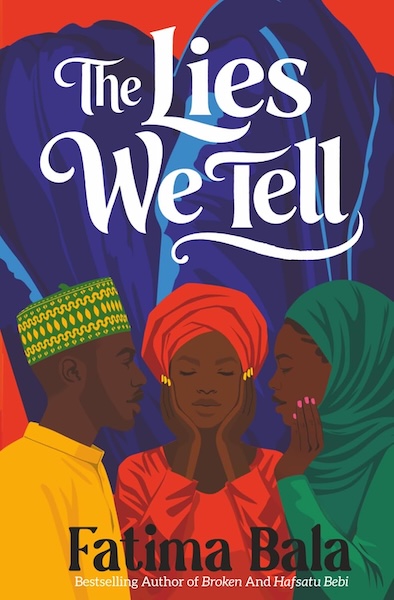
Set across Northern Nigeria, The Lies We Tell is a collection of short stories exploring the private lives of Hausa women and the secrets, compromises, and unspoken truths that shape their relationships. From the dye pits of Zaria to the rooftops of Abuja, Fatima Bala portrays women navigating family expectations, love, marriage, and the complicated demands of tradition. Grandmothers whisper to unseen spirits, young women confront the limits imposed on their ambitions, and families preserve fragile bonds through silences that can protect as easily as they can wound. Blending wit, tenderness, grief, and elements of the supernatural, these stories reveal the hidden negotiations behind everyday life. Bala examines how women inherit expectations across generations, how affection can become a form of power, and how the truths people conceal sometimes sustain the very relationships they threaten to destroy. The Lies We Tell offers an intimate portrait of contemporary Northern Nigerian life, giving voice to women whose experiences are often kept behind closed doors.
2026
5
The Road to the Salt Sea
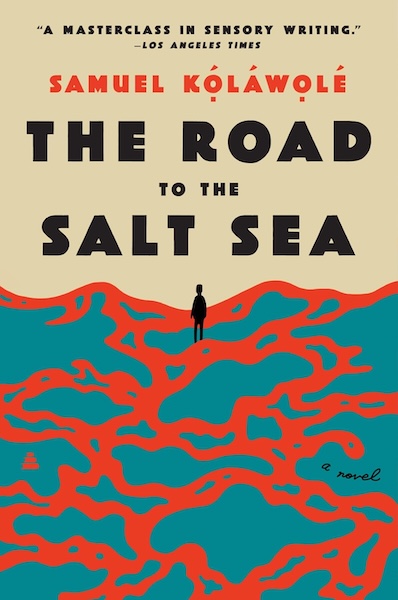
Able God is a bright young Nigerian man with an engineering degree, a love of chess, and hopes for a better future. But instead of building the life he imagined, he works long hours delivering room service at a luxury hotel, serving wealthy guests while struggling to make ends meet. When an encounter with a powerful and dangerous hotel guest turns violent, Able God finds himself caught in a situation that leaves him with few options. Fearing the consequences, he flees Nigeria and joins a group of migrants travelling across the Sahara toward Europe. Led by a charismatic religious figure, the travellers embark on a perilous journey through Niger and Libya, hoping to reach a place where they can begin again. Instead, they encounter human traffickers, starvation, exploitation, and violence. As survival becomes his only priority, Able God is forced to question his beliefs about morality, faith, and the possibility of a better life. In The Road to the Salt Sea, Samuel Kolawole offers a powerful portrait of migration, exposing the human cost of inequality and the desperate choices made by those seeking safety and opportunity beyond their homeland.
2024

Famous authors from Nigeria

About Nigeria

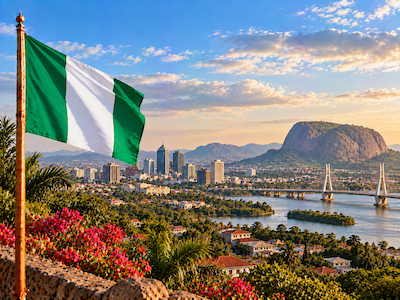
Nigeria is a large and diverse country in West Africa, stretching from the Gulf of Guinea in the south to the Sahel in the north. Its landscapes include tropical forests, coastal lagoons, fertile river valleys, savannas, and rocky highlands. The Niger and Benue rivers meet near the center of the country, while cities such as Lagos, Abuja, and Ibadan serve as important cultural and economic centers. Nigeria is home to hundreds of ethnic groups, including the Yoruba, Igbo, and Hausa, whose languages, traditions, music, and art contribute to the country’s remarkable cultural diversity.

Region
Africa
Literary Context

Nigeria has one of Africa’s most influential literary traditions, rooted in oral storytelling, folktales, proverbs, praise poetry, myths, and performance traditions. These forms preserve cultural knowledge and explore morality, community, ancestry, and the relationship between people and the natural world. Modern Nigerian literature developed in English and in Indigenous languages, shaped by colonial history, independence, and the country’s many cultural traditions. Among Nigeria’s most celebrated writers is Chinua Achebe, whose novel Things Fall Apart examines Igbo society and the effects of colonialism. Other major figures include Wole Soyinka, the Nobel Prize-winning playwright; Flora Nwapa, a pioneering novelist who explored women’s lives and social expectations; Buchi Emecheta, known for her writing on gender and migration; and Chimamanda Ngozi Adichie, whose fiction explores identity, family, feminism, and the Nigerian diaspora. Contemporary Nigerian literature continues to examine colonialism, political power, inequality, religion, gender, migration, memory, and the changing realities of urban and rural life.

Africa