Nigeria
Africa
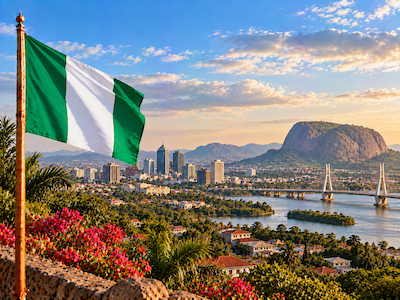
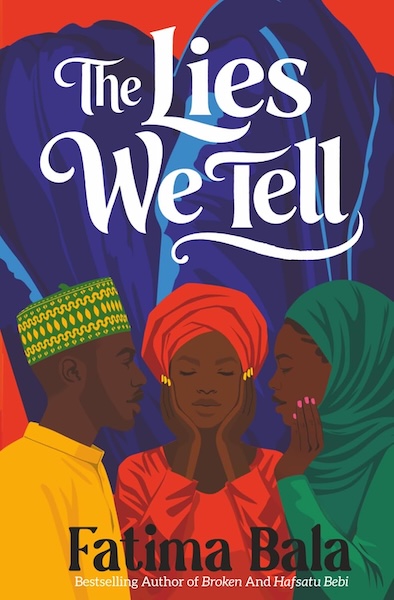
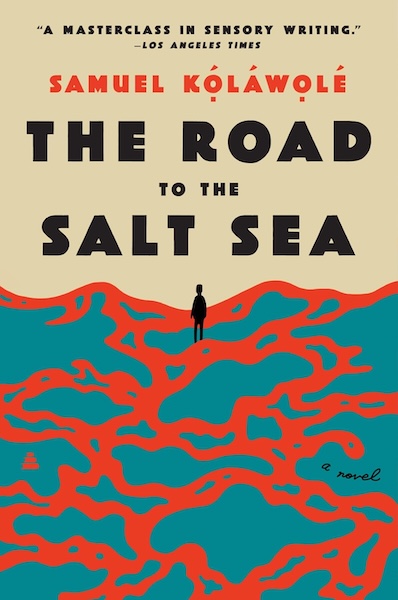
Nigeria is a large and diverse country in West Africa, stretching from the Gulf of Guinea in the south to the Sahel in the north. Its landscapes include tropical forests, coastal lagoons, fertile river valleys, savannas, and rocky highlands. The Niger and Benue rivers meet near the center of the country, while cities such as Lagos, Abuja, and Ibadan serve as important cultural and economic centers. Nigeria is home to hundreds of ethnic groups, including the Yoruba, Igbo, and Hausa, whose languages, traditions, music, and art contribute to the country’s remarkable cultural diversity.
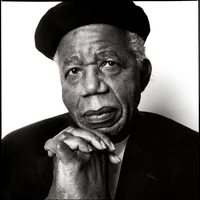
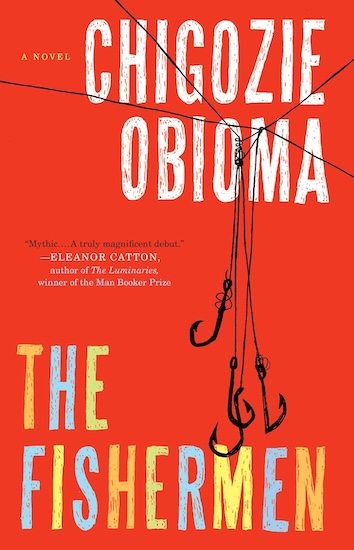
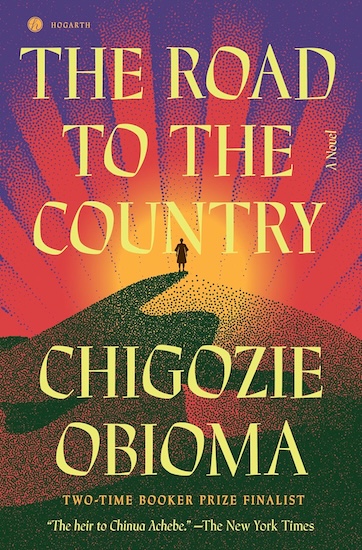
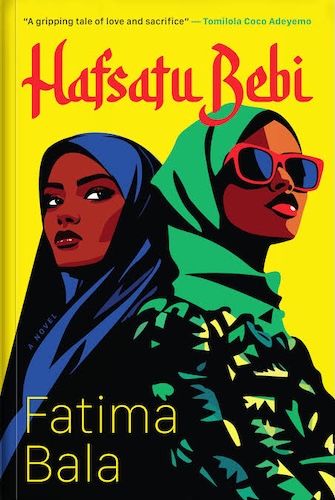
Nigeria has one of Africa’s most influential literary traditions, rooted in oral storytelling, folktales, proverbs, praise poetry, myths, and performance traditions. These forms preserve cultural knowledge and explore morality, community, ancestry, and the relationship between people and the natural world. Modern Nigerian literature developed in English and in Indigenous languages, shaped by colonial history, independence, and the country’s many cultural traditions. Among Nigeria’s most celebrated writers is Chinua Achebe, whose novel Things Fall Apart examines Igbo society and the effects of colonialism. Other major figures include Wole Soyinka, the Nobel Prize-winning playwright; Flora Nwapa, a pioneering novelist who explored women’s lives and social expectations; Buchi Emecheta, known for her writing on gender and migration; and Chimamanda Ngozi Adichie, whose fiction explores identity, family, feminism, and the Nigerian diaspora. Contemporary Nigerian literature continues to examine colonialism, political power, inequality, religion, gender, migration, memory, and the changing realities of urban and rural life.