Books from Libya
Suggest a book
All genres
Historical Fiction
Literary Fiction
Fantasy
Romance
Horror
Thriller
Non-Fiction
Mystery
Memoir
Classics
History
Sci-Fi
Contemporary Fiction
Science Fiction
Fiction
Poetry
Essays
Family Saga
Magical Realism
Family Drama
Dark Academia
Psychological Fiction
Dark Comedy
Political Writing
Feminist Fiction
Satire
Campus Fiction
Cultural Studies
Biography
Philosophy
Comedy
Drama
Young Adult
Gothic
Dystopia
Crime
Children's Books
Short Stories
Mythology
Cozy
Retellings
Humour
Adventure
All themes
Love & Passion
Adventure & Journey
Identity & Belonging
War & Conflict
Freedom & Resistance
Family & Heritage
Nature & Landscape
Society & Class
Spirituality & Faith
Solitude & Exile
Coming of Age
Revolution & Change
Friendship
History
Immigration
Myths and Retellings
Colonialism
Women & Society
Mental Health
Motherhood
1
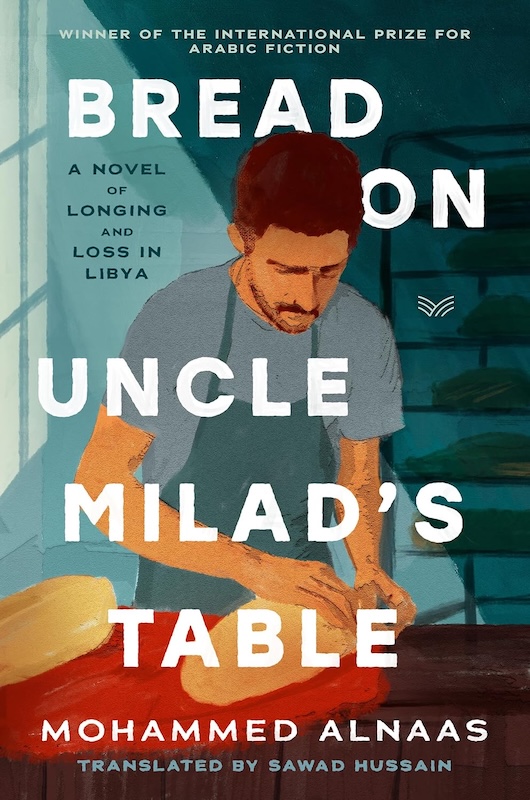
Bread on Uncle Milad's Table
Bread on Uncle Milad’s Table follows Milad al-Usta, a sensitive young man growing up in a Libyan village where masculinity is defined by rigid social expectations. Raised in a family of bakers, Milad learns to love the craft of making bread, but his father continually reminds him that he must become a man according to society’s standards. Despite his efforts to conform, Milad struggles to embody the toughness and authority expected of him.
After marrying his childhood sweetheart, Zainab, Milad finally embraces a different way of living. He takes responsibility for the household and domestic chores while Zainab becomes the family’s breadwinner. Although the arrangement brings them happiness, their unconventional roles attract ridicule and disapproval from the community.
Set against the social and political realities of modern Libya, the novel explores masculinity, gender roles, love, and the pressure to conform. Through Milad’s story, Alnaas questions the social conventions that determine how men and women should live, celebrating the individual’s struggle to define a meaningful life on their own terms. The novel won the 2022 International Prize for Arabic Fiction.
2026
2
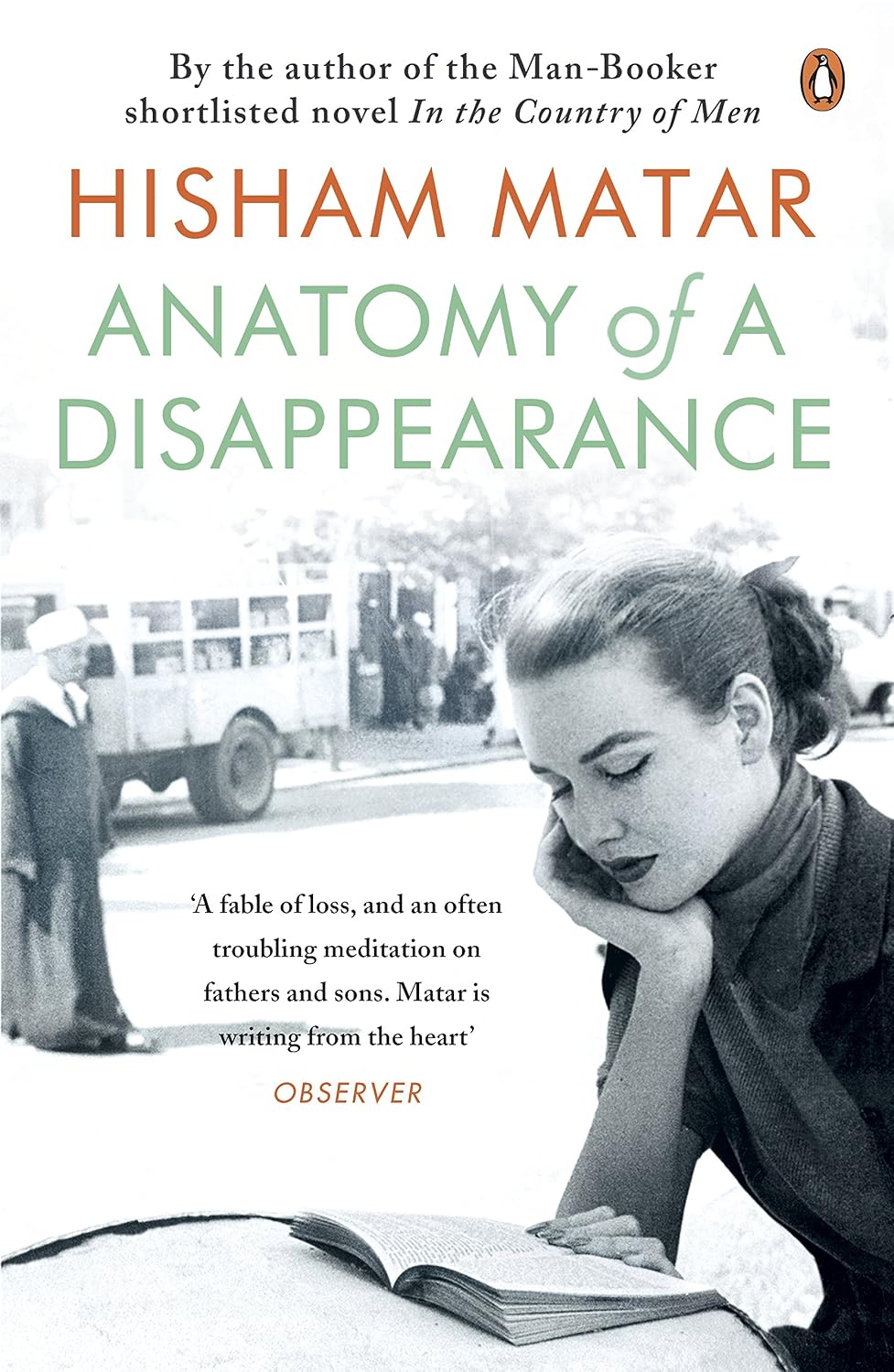
Anatomy of a Disappearance
Anatomy of a Disappearance follows Nuri el-Alfi, a young boy whose life is shaped by the mysterious disappearance of his father, Kamal, a wealthy Libyan exile and political dissident. After his mother’s death, Nuri becomes increasingly attached to Mona, his father’s second wife, whom he first encounters as a teenager while travelling with his father in England. When Kamal vanishes without explanation, Nuri is left struggling to understand the man he loved but never fully knew. As he grows older, he searches for clues about his father’s fate, confronting the silences, secrets, and uncertainties that surround his family’s past. Set against the backdrop of political repression and exile, the novel explores the fragile bonds between fathers and sons, the complexities of memory, and the ways absence can shape a person’s identity. Through restrained, lyrical prose, Hisham Matar examines how grief and longing transform our understanding of those we love, revealing how the search for a missing person can also become a search for oneself.
2011