
Hisham Matar
LibyaAbout
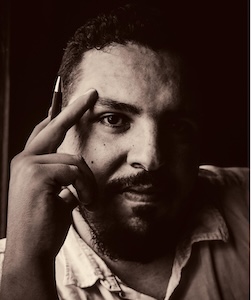
Hisham Matar is a Libyan-American novelist and memoirist, born in New York to Libyan parents and raised between Tripoli and Cairo. He has lived most of his adult life in London and is the author of In the Country of Men, Anatomy of a Disappearance, and A Month in Siena. The Return won the 2017 Pulitzer Prize for Biography.
Books on TheBookRoads
1
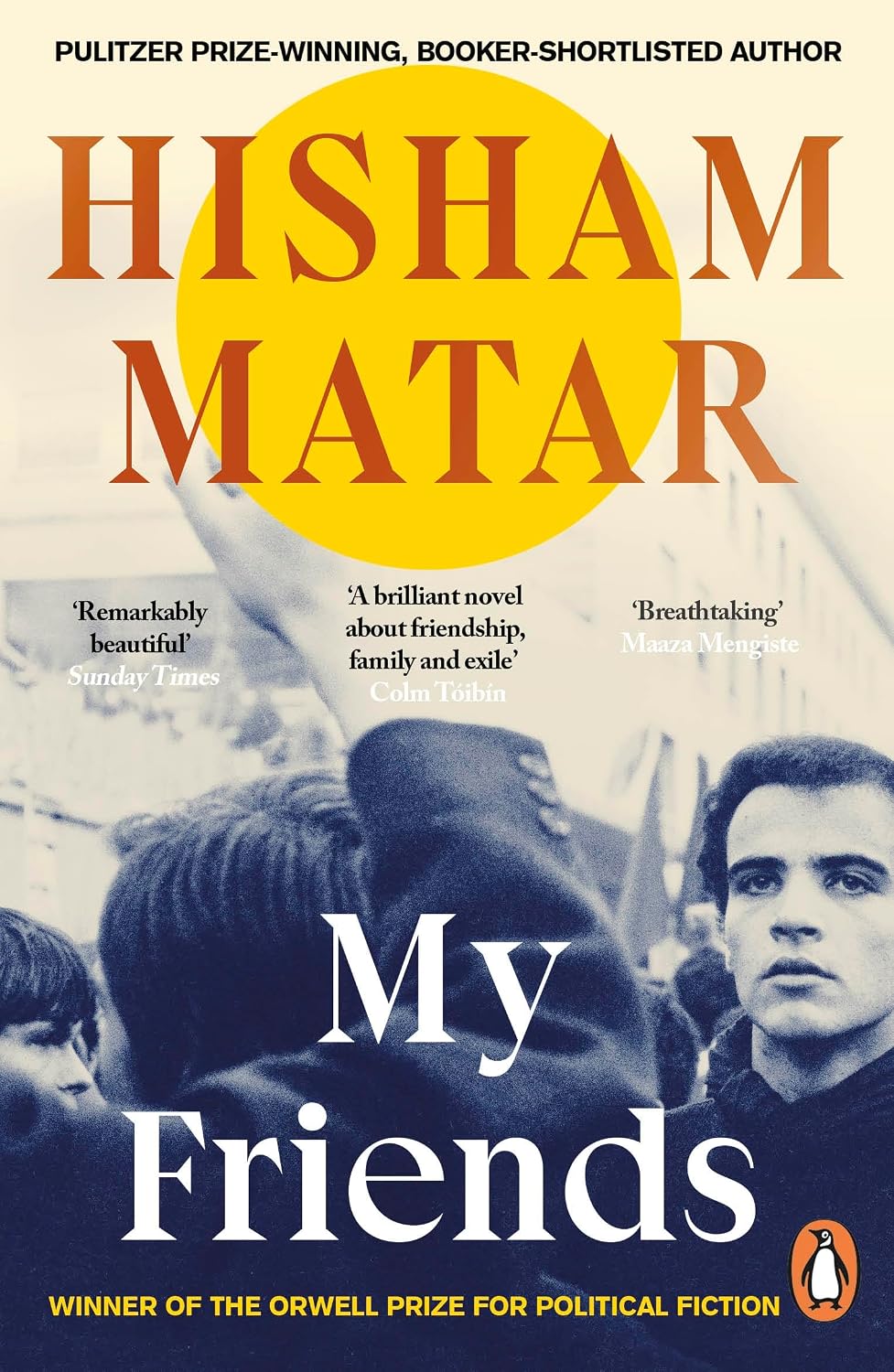
My Friends
My Friends follows Khaled, a Libyan man living in exile in London, whose life is shaped by friendship, political repression, and the enduring pull of his homeland. The story begins with a defining moment in 1984, when Khaled and his friend Mustafa attend a protest outside the Libyan embassy in London. The demonstration turns violent, and Khaled is wounded, an event that binds his personal fate to Libya’s political turmoil. Over the following decades, he navigates life far from home, confronting the distance between the country he remembers and the life he has built in exile. Through his relationships with Mustafa and other friends, Matar explores how political upheaval reshapes intimate bonds, influences personal identity, and leaves lasting emotional scars. Moving between past and present, the novel reflects on belonging, displacement, and the difficulty of returning to a place transformed by history. With quiet, introspective prose, My Friends examines the sacrifices of exile and the profound ways friendship can provide continuity, comfort, and meaning in a fractured world.
2024
Libya
2
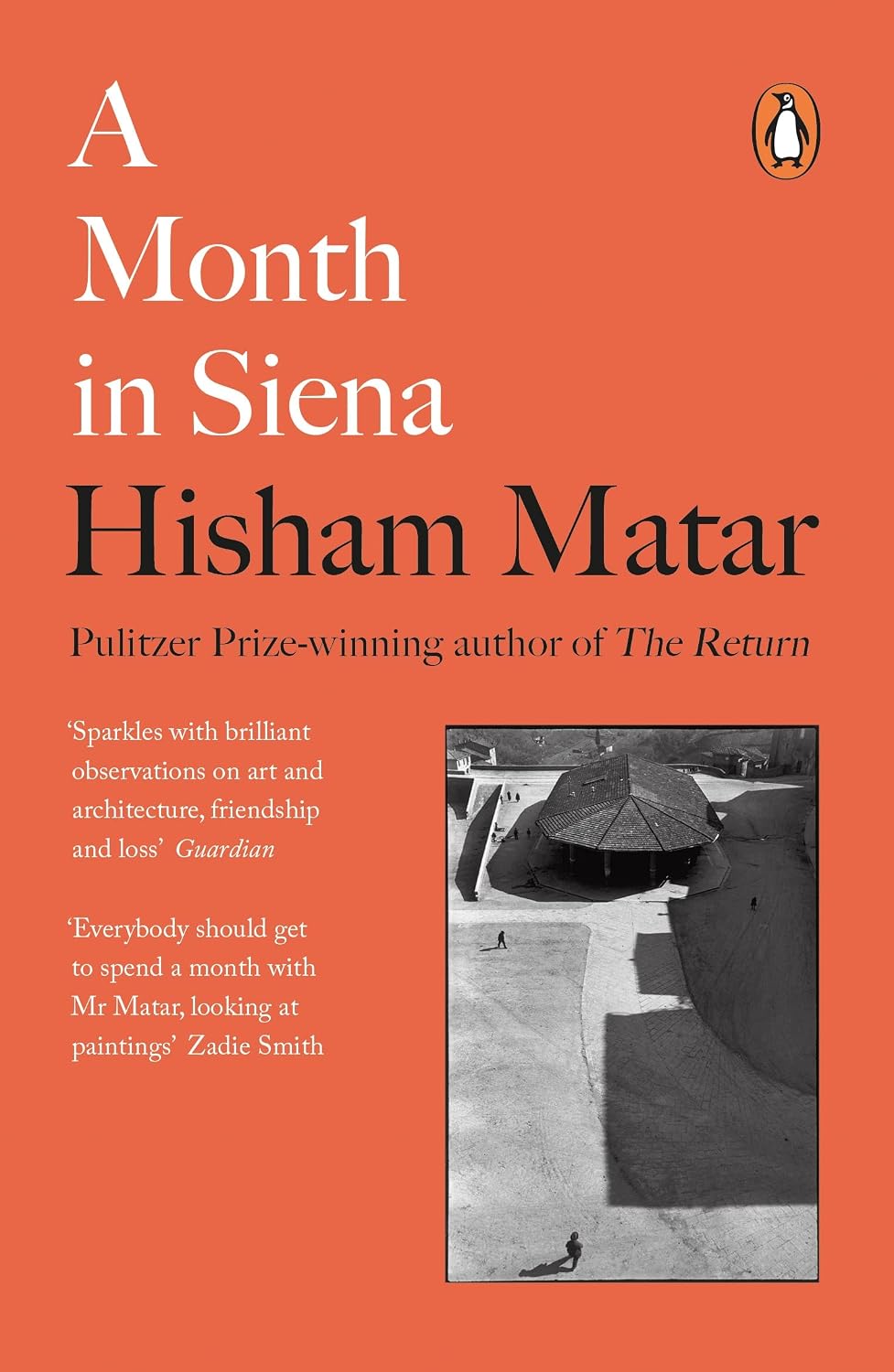
Month in Siena
A Month in Siena is a reflective memoir in which Hisham Matar explores the relationship between art, memory, and personal grief during a month spent in the Italian city of Siena. Drawn to the city’s extraordinary collection of Sienese paintings, Matar immerses himself in the works of medieval and Renaissance artists, seeking solace and understanding through their depictions of human suffering, devotion, and beauty. His observations become intertwined with reflections on his Libyan heritage, his father’s disappearance, and the emotional consequences of years spent searching for answers. Moving between the art galleries of Siena and memories of his own life, Matar considers how art can offer a form of companionship and provide a language for experiences that are otherwise difficult to express. Rather than presenting art history as a purely intellectual pursuit, he approaches painting as an intimate encounter capable of changing how we see ourselves and others. The book is a meditation on loss, exile, faith, and the quiet possibilities of healing through beauty and contemplation.
2019
Libya
3
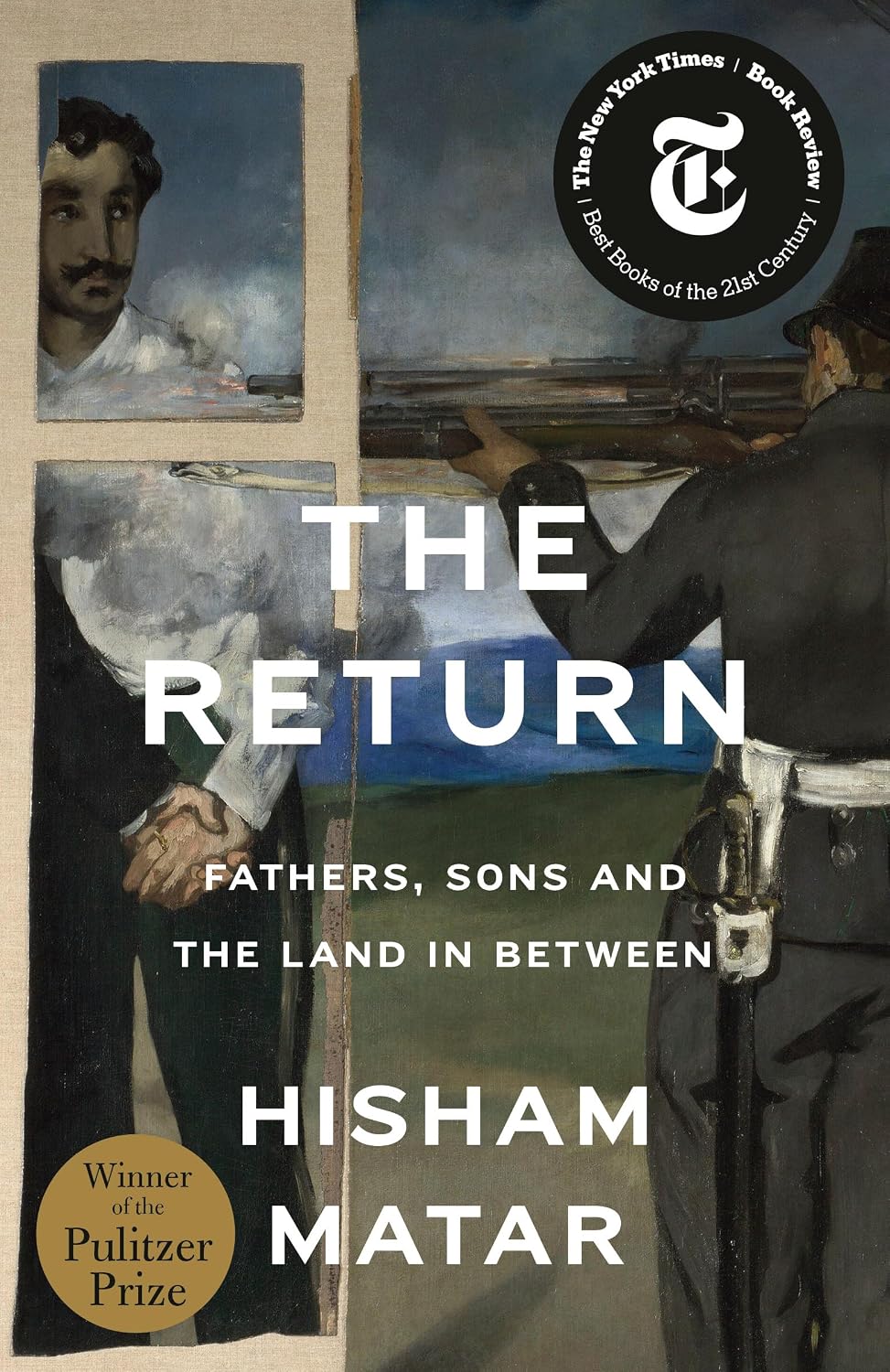
The Return
The Return is a memoir in which Hisham Matar recounts his search for his father, Jaballa Matar, a Libyan political dissident who disappeared in 1990 after being abducted in Egypt and taken to a prison in Libya. For years, Matar has lived with uncertainty about his father’s fate, holding on to memories and fragments of information while his family remains scattered by exile. Following the fall of Muammar Gaddafi’s regime in 2011, Matar returns to Libya for the first time in decades, hoping to discover what happened to his father and reconnect with the country he left behind as a child. His journey becomes both a personal investigation and a reflection on the lasting effects of dictatorship, political violence, and displacement. Through intimate recollections of family life, childhood, and loss, Matar explores the complex bonds between fathers and sons, the power of memory, and the emotional cost of living without answers. The memoir is a moving meditation on love, belonging, and the search for truth in the shadow of historical trauma.
2016
Libya
4
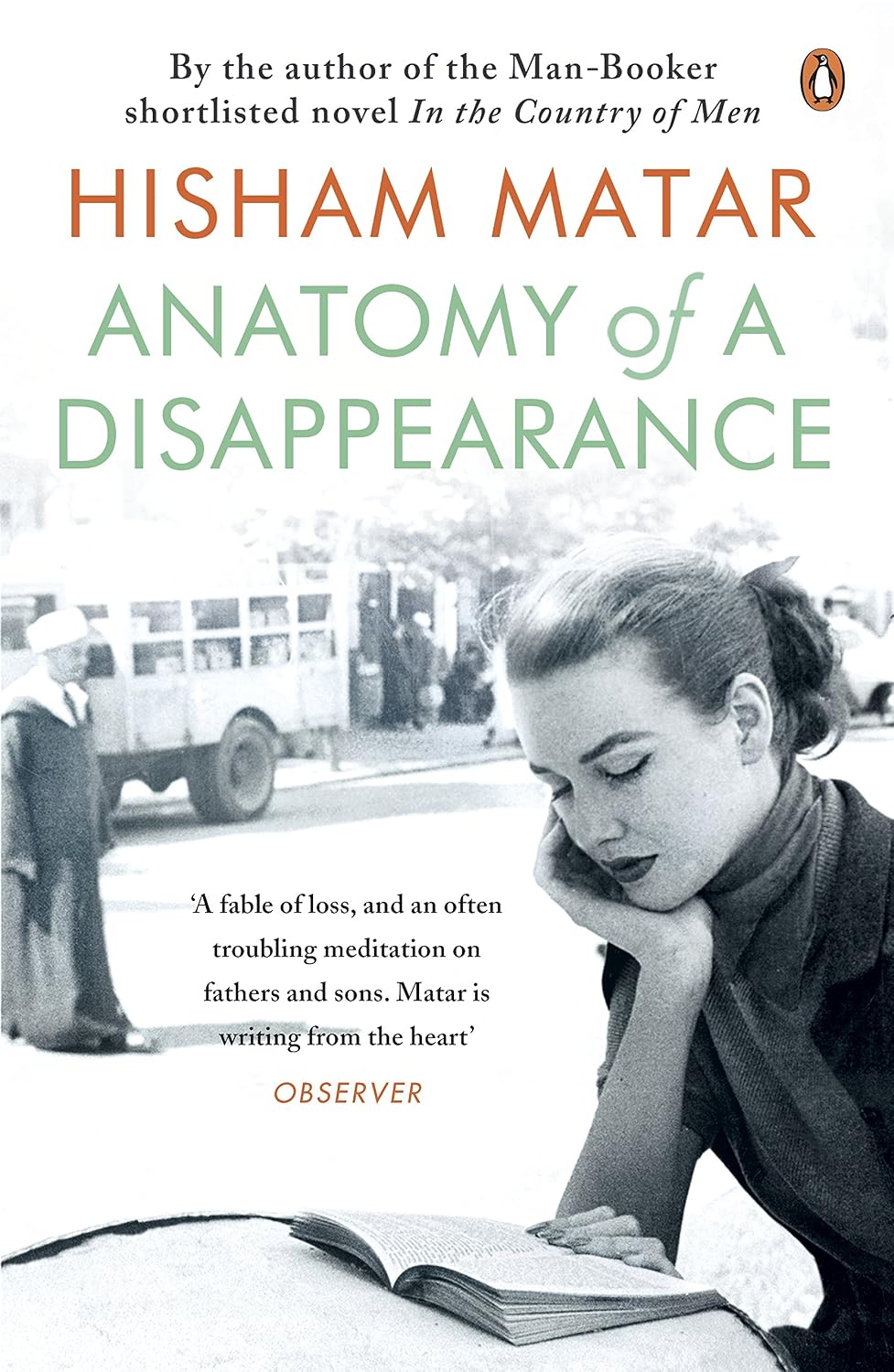
Anatomy of a Disappearance
Anatomy of a Disappearance follows Nuri el-Alfi, a young boy whose life is shaped by the mysterious disappearance of his father, Kamal, a wealthy Libyan exile and political dissident. After his mother’s death, Nuri becomes increasingly attached to Mona, his father’s second wife, whom he first encounters as a teenager while travelling with his father in England. When Kamal vanishes without explanation, Nuri is left struggling to understand the man he loved but never fully knew. As he grows older, he searches for clues about his father’s fate, confronting the silences, secrets, and uncertainties that surround his family’s past. Set against the backdrop of political repression and exile, the novel explores the fragile bonds between fathers and sons, the complexities of memory, and the ways absence can shape a person’s identity. Through restrained, lyrical prose, Hisham Matar examines how grief and longing transform our understanding of those we love, revealing how the search for a missing person can also become a search for oneself.
2011
Libya
Country
Libya
Africa
Also from Libya
Mohamed Alnaas
1 book