Japan

Asia
Japan
25
books
20
authors

Books from Japan

1
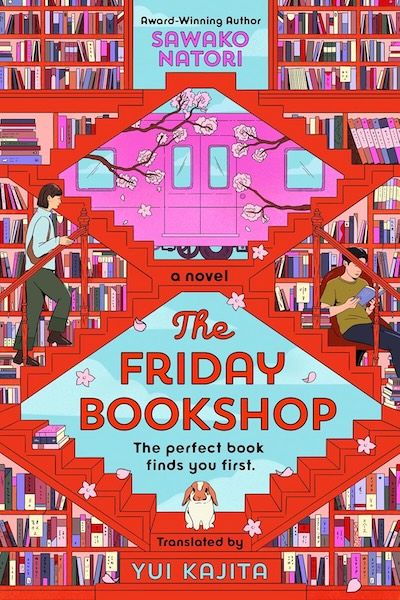
The Friday Bookshop
The Friday Bookshop
What if the perfect book found you exactly when you needed it most? Hidden inside an ordinary train station north of Tokyo, the Friday Bookshop is said to have a special gift: it can lead readers to the book they need at that particular moment in their lives. Beyond its modest entrance lies an extraordinary underground library, built inside an abandoned subway platform, alongside a cosy café where the chef creates dishes inspired by literature. When university student Fumiya arrives searching for a book for his seriously ill father, he expects little from the unassuming shop. But the eccentric trio who run it soon draw him into their world, and he begins working there part-time. Through the stories of visitors seeking comfort, answers, and connection, Fumiya discovers that books can do far more than entertain: they can help us understand ourselves and reach the people we love. Warm, whimsical, and filled with literary treasures, The Friday Bookshop celebrates the quiet magic of reading and the unexpected friendships that grow around shared stories. It reminds us that sometimes the right book finds us just when we need it most.
2026
2
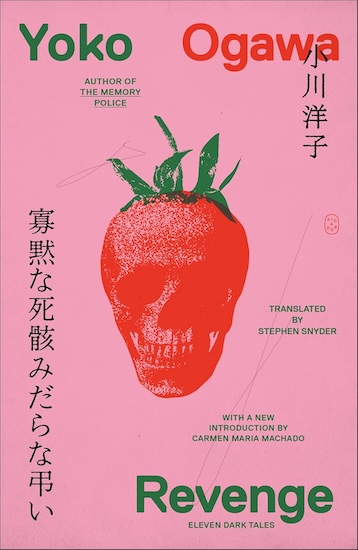
Revenge
Revenge
A grieving mother visits a bakery to buy a strawberry cake for her son’s birthday. There is just one detail that makes the request impossible to forget: her son has been dead for years. From this quietly unsettling encounter, Yōko Ogawa begins weaving a world where ordinary lives conceal extraordinary darkness, and seemingly unrelated strangers are connected by secrets neither they nor the reader fully understand. In Revenge: Eleven Dark Tales, a woman discovers a disturbing truth about her landlady, a surgeon becomes entangled in a web of jealousy and obsession, and a lonely craftsman finds himself drawn toward violence. Other characters drift through the stories like shadows, reappearing in unexpected places and revealing new layers to events that once seemed insignificant. A forgotten object, a peculiar conversation, or an unfamiliar face can become the thread connecting one nightmare to another. Ogawa transforms everyday settings into something quietly menacing. Her prose is restrained and almost delicate, making the grotesque moments all the more disturbing. Rather than relying on sudden shocks, she builds dread through small details and unsettling coincidences, leaving the reader to piece together the hidden connections. Beautifully eerie and psychologically intricate, Revenge explores grief, obsession, cruelty, and the darkness that can exist beneath the surface of ordinary life.
1998
3
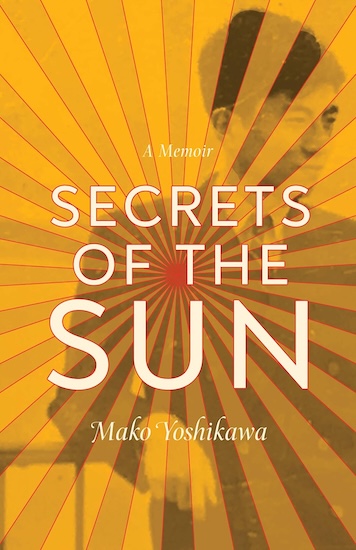
Secrets of the Sun: A Memoir
When Mako Yoshikawa learns that her estranged father has died on the eve of her wedding, she is overwhelmed by grief, guilt, and unanswered questions. Shoichi Yoshikawa was a brilliant Japanese physicist and nuclear fusion researcher whose life was marked by extraordinary intellectual ambition, bipolar disorder, alcoholism, and episodes of violence toward his family. Although Mako loved him, she eventually cut him out of her life, unable to reconcile his brilliance and generosity with the pain he caused. After his death, she begins investigating his past, exploring his childhood in prewar Japan, his experiences as an immigrant in America, and the secrets that shaped his identity. Through personal memories, family stories, and historical research, she confronts the complicated relationship between mental illness and responsibility, love and abuse, and the desire to understand someone who has caused profound harm. Intimate and deeply reflective, Secrets of the Sun is a memoir about family trauma, cultural displacement, and the difficult search for understanding when reconciliation is no longer possible.
2024
4
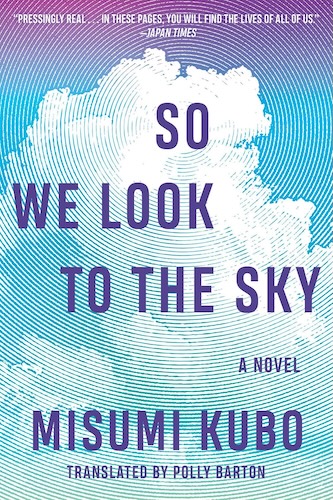
So We Look to the Sky
In contemporary Japan, one scandal connects the lives of five people struggling with desire, shame, loneliness, and the expectations placed upon them. When a young man’s affair with an older woman is exposed online, the fallout ripples through the lives of teenagers navigating first love, a married couple facing infertility, a young man caring for his grandmother with dementia, and a single mother working as a midwife. Through these interconnected stories, Misumi Kubo explores the intimate realities often hidden behind the surface of everyday life: the pressures on women’s bodies, the stigma surrounding sexuality, poverty, family obligations, and the desperate need for human connection. Unflinching yet deeply compassionate, this award-winning Japanese novel finds hope in the fragile, stubborn force of life itself.
2027
5
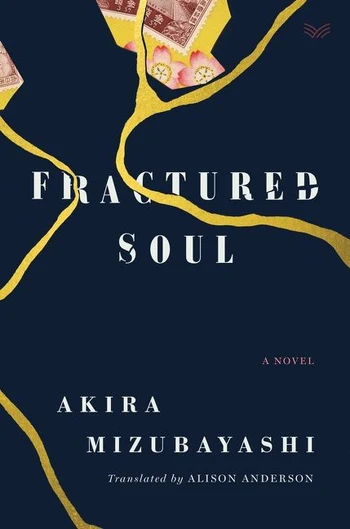
Fractured Soul
Fractured Soul
Tokyo, 1938. During a private musical gathering, military police burst in and arrest Yu, a Japanese musician whose love of Western classical music has drawn suspicion. His young son, Rei, witnesses the destruction of his father’s violin and the sudden collapse of their family. With the help of a compassionate stranger, Rei escapes to France, carrying the fragments of the broken instrument. Decades later, now living in Paris as a violin maker, he dedicates himself to restoring damaged instruments—but the wounds of his childhood remain unresolved. When a young violinist unexpectedly reconnects him with his past, the broken violin becomes a symbol of memory, loss, and the possibility of healing. Moving between Japan and France, Fractured Soul explores the enduring power of music to transcend political violence and bring people together across generations. It is a poignant story about what war destroys, what art preserves, and how beauty can emerge from the deepest suffering.
2019

Famous authors from Japan

About Japan

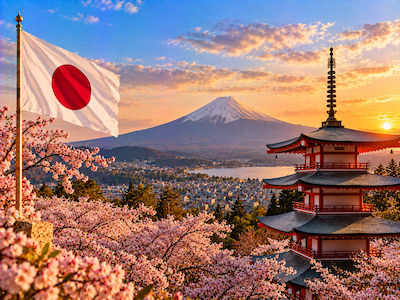
Japan is an island nation in East Asia stretching from the snowy landscapes of Hokkaido to the subtropical islands of Okinawa. Mountains, forests, volcanic landscapes, rice fields, and densely populated coastal cities shape the country, while Tokyo, Kyoto, and Osaka are major cultural centers. Japanese culture combines ancient Shinto and Buddhist traditions with distinctive arts, architecture, food, craftsmanship, and a highly modern urban society.

Region
Asia
Literary Context

Japan has a remarkably long and diverse literary tradition. The Tale of Genji by Murasaki Shikibu, written around the beginning of the 11th century, is considered one of the great works of world literature. Earlier traditions include mythology, poetry, court diaries, Buddhist writing, and historical chronicles, while forms such as haiku developed into influential expressions of Japanese aesthetics and attention to nature. Modern Japanese literature has explored individual identity, modernization, tradition, isolation, war, memory, and the tension between the personal and the social. Major writers include Natsume Sōseki, Ryūnosuke Akutagawa, Yasunari Kawabata, Yukio Mishima, Kenzaburō Ōe, Haruki Murakami, and Banana Yoshimoto. Contemporary Japanese literature continues to combine everyday life with philosophical, psychological, and sometimes surreal elements, while manga and other popular literary forms have become influential far beyond Japan.
Asia