Books from Japan
Suggest a book
All genres
Historical Fiction
Literary Fiction
Fantasy
Romance
Horror
Thriller
Non-Fiction
Mystery
Memoir
Classics
History
Sci-Fi
Contemporary Fiction
Science Fiction
Fiction
Poetry
Essays
Family Saga
Magical Realism
Family Drama
Dark Academia
Psychological Fiction
Dark Comedy
Political Writing
Feminist Fiction
Satire
Campus Fiction
Cultural Studies
Biography
Philosophy
Comedy
Drama
Young Adult
Gothic
Dystopia
Crime
Children's Books
Short Stories
Mythology
Cozy
Retellings
Humour
Adventure
All themes
Love & Passion
Adventure & Journey
Identity & Belonging
War & Conflict
Freedom & Resistance
Family & Heritage
Nature & Landscape
Society & Class
Spirituality & Faith
Solitude & Exile
Coming of Age
Revolution & Change
Friendship
History
Immigration
Myths and Retellings
Colonialism
Women & Society
Mental Health
Motherhood
1
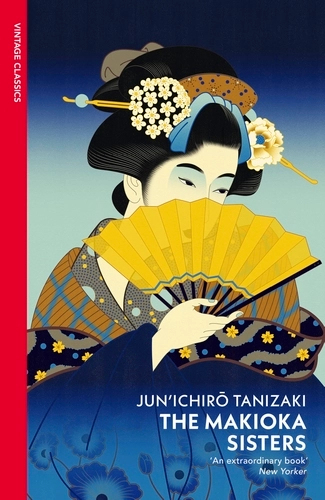
The Makioka Sisters
Set in Osaka and its surrounding areas during the years leading up to the Second World War, The Makioka Sisters follows four women from a once-prosperous merchant family struggling to preserve their social standing as Japanese society undergoes profound change. The story centers on the sisters’ efforts to arrange a suitable marriage for Yukiko, the quiet and reserved third daughter, whose future is complicated by family expectations, social conventions, and a series of unsuccessful matchmaking attempts. Meanwhile, the youngest sister, Taeko, pursues a more independent life, challenging the traditional values that govern her family’s decisions.
Through the sisters’ daily routines, seasonal celebrations, family gatherings, and romantic entanglements, Tanizaki captures the tensions between tradition and modernity in prewar Japan. Beneath the novel’s elegant descriptions of clothing, festivals, and landscapes lies a poignant portrait of a family confronting the gradual erosion of its privilege and influence. The novel explores the bonds between sisters, the pressures of social conformity, and the difficulty of adapting to a changing world. Rich in cultural detail and psychological insight, it is both an intimate family saga and an elegy for a disappearing way of life.
1957
2
More Days at the Morisaki Bookshop
More Days at the Morisaki Bookshop continues the story of Takako, a young woman who found comfort and a new direction in life while living above her uncle’s second-hand bookshop in Tokyo. Having gradually rebuilt her confidence after a painful romantic disappointment, Takako becomes more involved in the lives of her uncle Satoru and aunt Momoko. When Momoko returns after a long absence, old emotions and unanswered questions emerge, prompting the family to reconsider the choices that have kept them apart. Takako also begins exploring new relationships and possibilities beyond the bookshop, discovering that healing does not mean leaving the past behind completely. Set in Tokyo’s book-loving Jinbōchō district, the novel celebrates literature, ordinary routines, and the quiet comfort of human connection. Yagisawa explores family bonds, emotional recovery, and the ways people create a sense of belonging through shared spaces and everyday acts of kindness.
2008
3
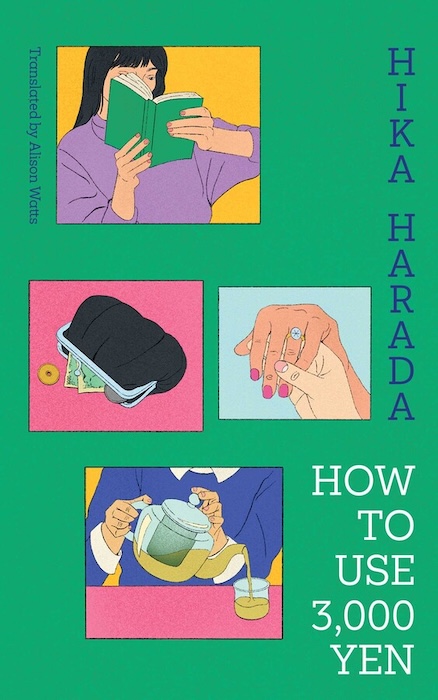
How To Use 3,000 Yen
How to Use 3,000 Yen follows three generations of women in the Mikuriya family as they navigate the financial and emotional challenges of everyday life. At the heart of the story is Miho, a young woman beginning her independent life and learning to manage her money. Her experiences connect with those of her older sister, Maho, their mother, Tomoko, and their grandmother, Kotoko, each of whom faces different questions about financial security, family responsibilities, and the future.
For the women of the Mikuriya family, money is more than a practical concern: it reflects their hopes, fears, relationships, and ideas about happiness. As they encounter unexpected expenses and major life changes, each must reconsider what it means to save wisely and live well.
With warmth and gentle humor, Hika Harada explores the relationship between money and personal freedom, showing how financial decisions shape the lives of women across generations. The novel offers a thoughtful portrait of contemporary Japanese society, where economic pressures intersect with family expectations and the desire for independence.
2026