Books from India
Suggest a book
All genres
Historical Fiction
Literary Fiction
Fantasy
Romance
Horror
Thriller
Non-Fiction
Mystery
Memoir
Classics
History
Sci-Fi
Contemporary Fiction
Science Fiction
Fiction
Poetry
Essays
Family Saga
Magical Realism
Family Drama
Dark Academia
Psychological Fiction
Dark Comedy
Political Writing
Feminist Fiction
Satire
Campus Fiction
Cultural Studies
Biography
Philosophy
Comedy
Drama
Young Adult
Gothic
Dystopia
Crime
Children's Books
Short Stories
Mythology
Cozy
Retellings
Humour
Adventure
All themes
Love & Passion
Adventure & Journey
Identity & Belonging
War & Conflict
Freedom & Resistance
Family & Heritage
Nature & Landscape
Society & Class
Spirituality & Faith
Solitude & Exile
Coming of Age
Revolution & Change
Friendship
History
Immigration
Myths and Retellings
Colonialism
Women & Society
Mental Health
Motherhood
1
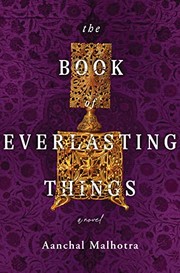
The Book of Everlasting Things
Set in Lahore during the final years of British rule in India, The Book of Everlasting Things tells the story of Samir Vij, a Hindu perfumer, and Firdaus Khan, a Muslim calligrapher. Their shared appreciation for beauty, craftsmanship, and traditional arts develops into a deep love as they imagine a future together. However, the Partition of India in 1947 transforms their world, dividing communities and forcing them onto opposite sides of a newly created border. Samir becomes an Indian citizen, while Firdaus becomes Pakistani, making their relationship increasingly difficult to sustain. Spanning decades and continents, the novel explores the ways political upheaval reshapes private lives and cultural traditions. Through the evocative worlds of perfume-making and calligraphy, Malhotra examines love, memory, belonging, and the enduring power of art to preserve what history threatens to destroy.
2022
2

Acrobat
In Acrobat, Nabaneeta Dev Sen transforms the experiences of an ordinary life into an intimate, unflinching exploration of womanhood, love, motherhood, and mortality. This posthumously published poetry collection moves between the exhilaration of first love, the physical and emotional demands of childbirth, the complexities of family relationships, and the inevitable approach of old age. With a voice that can be tender one moment and fiercely rebellious the next, Dev Sen examines the expectations imposed on women and the quiet acts of resistance through which they reclaim their lives. The acrobat becomes a powerful image for the precarious balancing act of being human: navigating intimacy, pain, desire, and loss while attempting to remain upright. Both compassionate and unsparing, these poems celebrate the body and its vulnerabilities, revealing the extraordinary intensity hidden within everyday existence. Translated from Bengali by the author’s daughter, Nandana Dev Sen, the collection also becomes a moving literary dialogue between mother and daughter.
2021
3
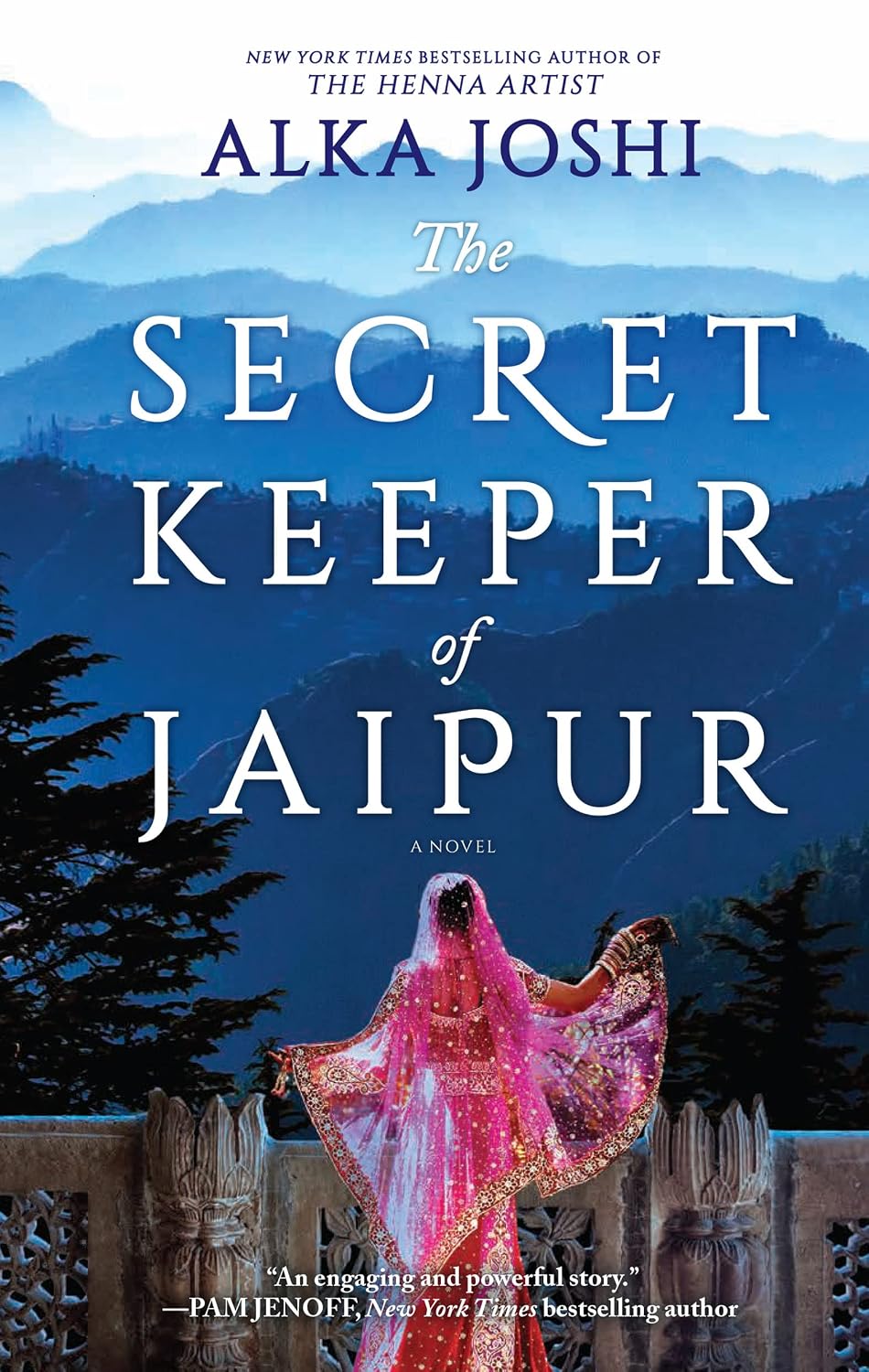
Secret Keeper of Jaipur
Set in Jaipur in 1969, The Secret Keeper of Jaipur follows Malik, a young man who returns to the city where he grew up to begin an apprenticeship at the royal palace. Under the guidance of Lakshmi, the former henna artist who has become a respected figure in the community, Malik hopes to build a promising future. His work brings him into contact with the wealthy and influential people overseeing the construction of a modern cinema. When the cinema’s balcony collapses on opening night, the resulting tragedy exposes corruption, concealed interests, and the unequal distribution of power. Suspecting that the disaster was not simply an accident, Malik begins investigating the truth, putting himself at risk as he challenges those determined to protect their reputations. Joshi examines social inequality, ambition, and the influence of wealth and privilege in a rapidly changing India.
2021
4
Well-Behaved Indian Women
Well-Behaved Indian Women follows three generations of Indian women as they navigate the expectations of family, culture, and personal ambition. Simran Mehta, a young Indian American woman living in New York, dreams of becoming a writer, but her aspirations conflict with her family’s hopes that she will pursue a more conventional future. Her mother, Nandini, has spent much of her life meeting the expectations placed upon her as a wife and mother, while her grandmother, Bindu, carries memories of a different India and the sacrifices required of women in her generation. As their stories intersect, long-standing tensions emerge around marriage, independence, and what it means to be a good daughter. Dave explores the complexities of cultural identity and intergenerational relationships, showing how women can honour their heritage while questioning traditions that no longer reflect who they want to become.
2020
5
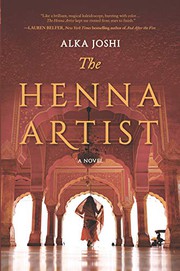
The Henna Artist
Set in Jaipur in the 1950s, The Henna Artist follows Lakshmi, a young woman who escapes an abusive marriage and builds an independent life in the Pink City. Through her exceptional skills as a henna artist and her knowledge of traditional remedies, she becomes a trusted confidante to wealthy women, gaining access to their private lives and secrets. Lakshmi dreams of establishing her own home and achieving financial security, carefully protecting the reputation that sustains her livelihood. However, her carefully constructed world is disrupted when her estranged husband appears with a young girl who turns out to be the sister Lakshmi never knew she had. Forced to reconsider her priorities, Lakshmi must navigate the tension between independence and family responsibility. Joshi explores women’s autonomy, social hierarchy, ambition, and the possibility of creating a new life despite the limitations imposed by society.
2020
6
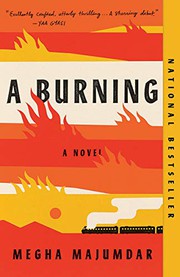
A Burning
In A Burning, Megha Majumdar tells the story of three people whose lives become entangled after a terrorist attack on a train in India. Jivan, a young Muslim woman from a poor neighborhood, is arrested after posting a critical comment about the government’s response to the tragedy. As she awaits trial, two people who could help her pursue their own ambitions: Lovely, a hijra and aspiring actress who once received kindness from Jivan, and PT Sir, her former physical education teacher, who becomes involved in politics. As the legal system fails Jivan, the others face choices that reveal the costs of ambition, social conformity, and self-preservation. Through these intersecting lives, Majumdar examines religious discrimination, corruption, class inequality, and the fragility of justice in contemporary India. The novel offers a tense and compelling portrait of how political power and public opinion can determine the fate of vulnerable individuals.
2020
7
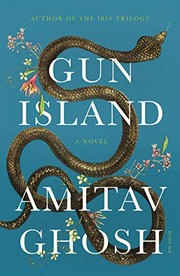
Gun Island
In Gun Island, Amitav Ghosh follows Deen Datta, a Brooklyn-based Indian rare-book dealer whose fascination with an obscure Bengali legend leads him on an unexpected journey from Kolkata to the Sundarbans and Venice. As he investigates the story of a merchant who escaped the wrath of the snake goddess Manasa Devi, Deen encounters mysterious coincidences, ancient myths, and people whose lives have been transformed by migration and environmental upheaval. Along the way, he witnesses the devastating effects of climate change, including rising seas, extreme weather, and threats to vulnerable communities. Blending folklore, history, and contemporary fiction, Ghosh explores the connections between human migration, ecological crisis, and cultural memory, questioning whether ancient stories might offer new ways of understanding the environmental challenges of the modern world.
2020
8
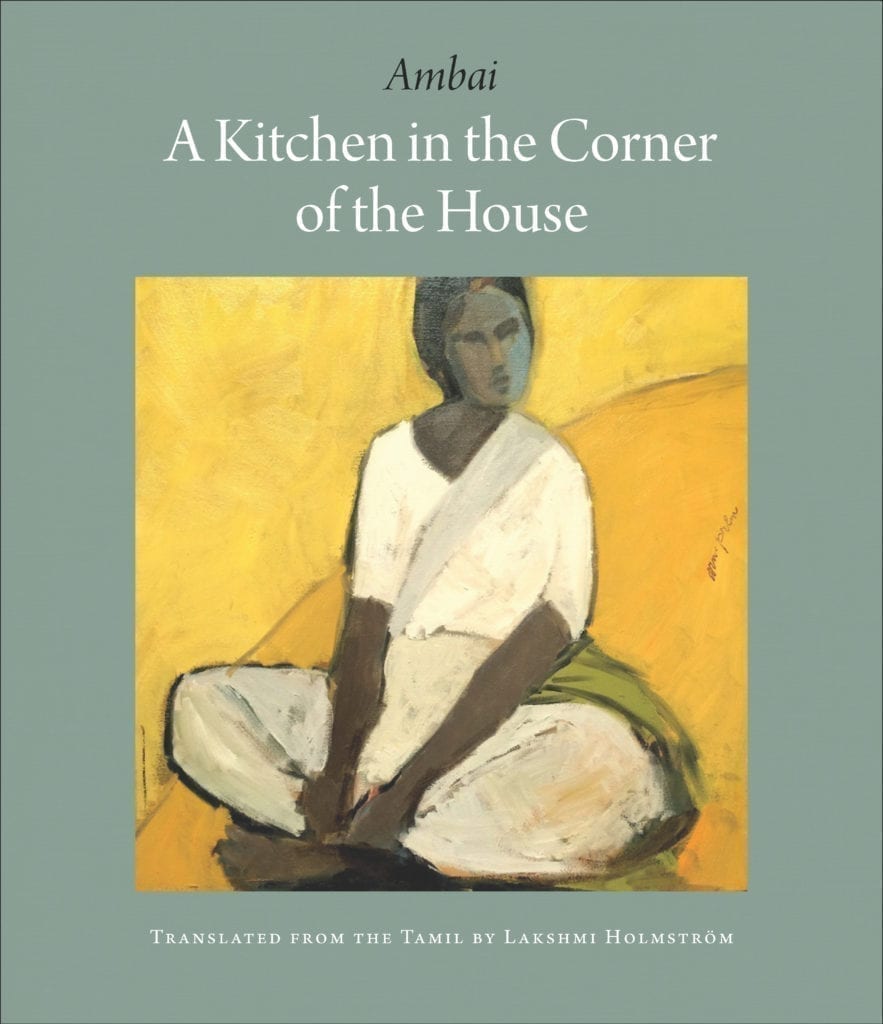
A Kitchen in the Corner of the House
In this rich collection of short stories, Ambai explores the lives of women navigating the competing demands of family, tradition, love, and personal freedom in India. Moving between domestic spaces and wider social worlds, her characters include wives questioning their marriages, mothers negotiating the bonds between generations, and women discovering possibilities beyond the roles society has assigned them. The kitchen in the title story becomes a powerful symbol of women’s lives: a space associated with domestic labour and confinement, yet also one where women exercise influence, preserve traditions, and create their own forms of power. Through fragmented narratives, letters, memories, and mythological references, Ambai captures the contradictions of womanhood with warmth, humour, and quiet rebellion. Her stories challenge the assumption that liberation must mean rejecting one’s roots, instead revealing how women can reshape their worlds while remaining connected to their histories, relationships, and cultural identities.
2019
9
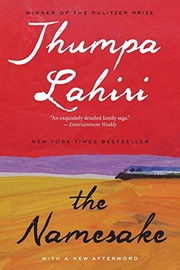
The Namesake
The Namesake follows the Ganguli family as they move from Calcutta to the United States in search of a new life. Their son, Gogol, grows up caught between his Bengali heritage and the American culture in which he was raised. Named after the Russian writer Nikolai Gogol for personal reasons connected to his father’s past, he comes to resent the unusual name that distinguishes him from his peers. As he grows older, Gogol struggles with romantic relationships, family expectations, and the challenge of defining himself independently of his parents’ experiences. Following the family’s journey across several decades, Lahiri explores migration, cultural adaptation, and the complicated relationship between parents and children. The novel examines how names, memories, and inherited traditions shape identity, revealing that belonging is rarely a simple choice between two cultures.
2019
10
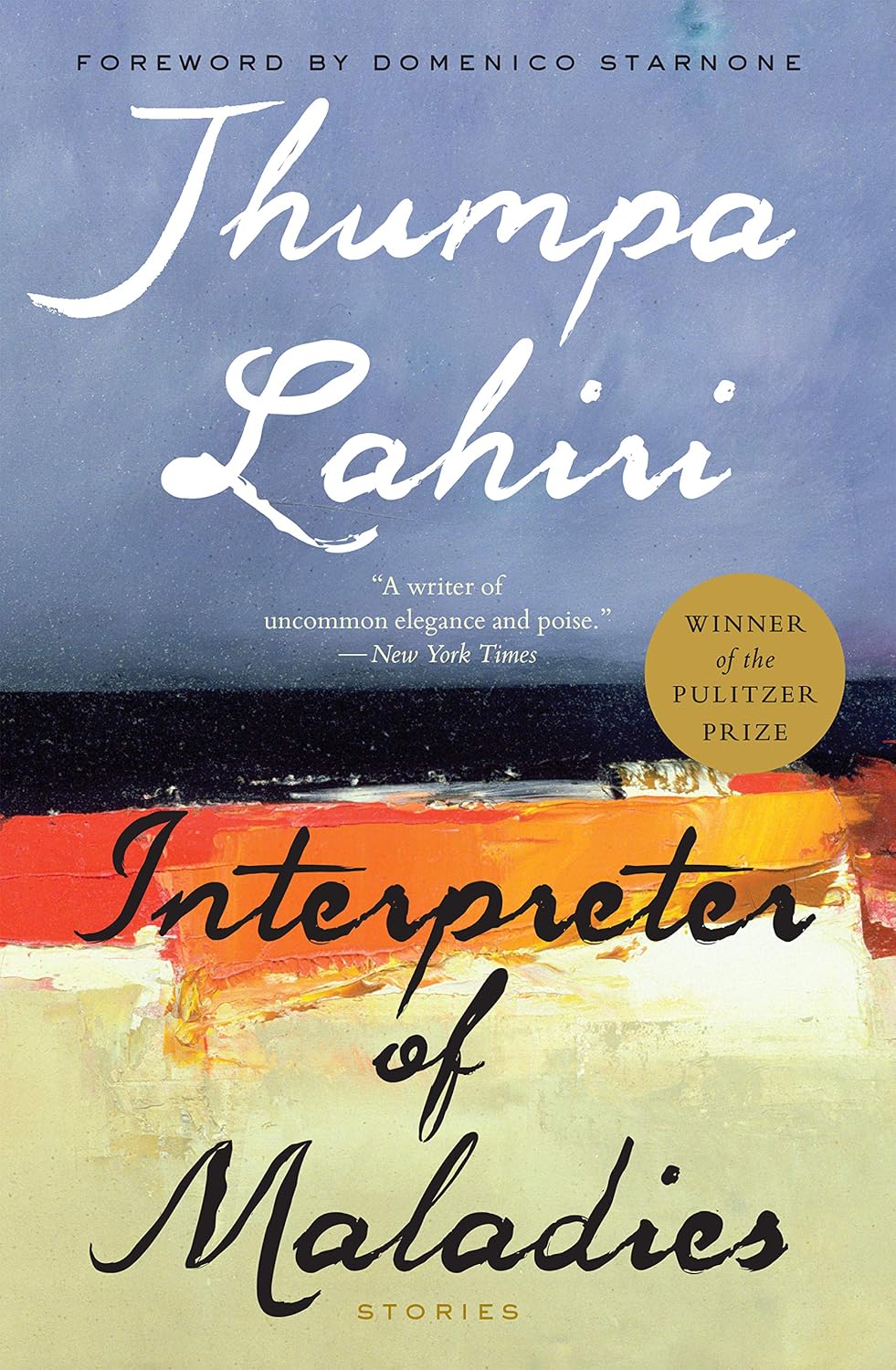
Interpreter of Maladies
Interpreter of Maladies is a collection of nine short stories exploring the lives of Indian and Indian American characters navigating love, cultural displacement, family obligations, and loneliness. In the title story, an Indian tour guide who works as an interpreter for a doctor becomes the confidant of an American woman of Indian origin, whose personal revelations challenge his understanding of intimacy and connection. Other stories portray arranged marriages, strained relationships between parents and children, and the emotional difficulties of living between cultures. Lahiri pays close attention to ordinary moments when misunderstandings, unspoken desires, and private disappointments reveal deeper struggles. Her characters often appear caught between the expectations of their heritage and the realities of their present lives. The collection explores belonging, communication, and the quiet emotional distances that can separate people who seem intimately connected.
2019
11
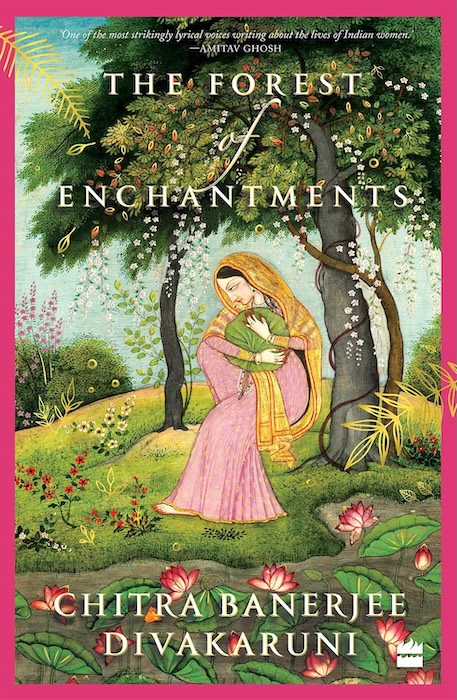
Forest of Enchantments
The Forest of Enchantments reimagines the ancient Indian epic Ramayana through the perspective of Sita, the heroine whose experiences have often been overshadowed by those of the male characters. From her early life and marriage to Prince Rama to their exile in the forest, Sita’s story unfolds as a journey marked by love, sacrifice, and difficult choices. After she is abducted by the demon king Ravana and eventually reunited with Rama, she faces further trials that challenge her dignity and independence. Divakaruni also brings attention to other women in the epic, including Kaikeyi, Surpanakha, and Mandodari, exploring the complicated motivations behind their actions. By giving these women their own voices, the novel questions traditional ideas about duty, honour, and obedience. It offers a feminist interpretation of a foundational Indian epic, examining women’s autonomy and their struggle to define themselves within a world governed by patriarchal expectations.
2019
12
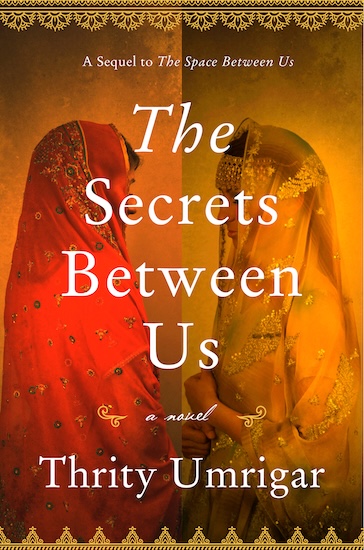
The Secrets Between Us (#2: Between Us)
In the bustling streets of Mumbai, Bhima must rebuild her life after losing the domestic job she held for more than twenty years. Poor and illiterate, she has endured tremendous hardship, and now her greatest concern is securing a better future for her granddaughter, Maya. With few options available, Bhima struggles to support them both while confronting the betrayal of the family she once served.
Her life takes an unexpected turn when she meets Parvati, an elderly homeless woman whose sharp tongue and guarded nature conceal years of suffering. Despite their initial mistrust, the two women form an unlikely partnership selling fruit and vegetables at a local market. As they gradually share their stories, they discover a friendship built on mutual understanding, resilience, and the determination to survive. Together, they begin to imagine a future beyond the limitations imposed by poverty, gender, and social status.
Set against the contrasts of modern Mumbai, The Secrets Between Us is a moving story about female solidarity, dignity, and second chances. Thrity Umrigar explores how friendship can emerge from hardship and how women who have been marginalized by society can find strength in one another.
2018