Books from Ireland
Suggest a book
All genres
Historical Fiction
Literary Fiction
Fantasy
Romance
Horror
Thriller
Non-Fiction
Mystery
Memoir
Classics
History
Sci-Fi
Contemporary Fiction
Science Fiction
Fiction
Poetry
Essays
Family Saga
Magical Realism
Family Drama
Dark Academia
Psychological Fiction
Dark Comedy
Political Writing
Feminist Fiction
Satire
Campus Fiction
Cultural Studies
Biography
Philosophy
Comedy
Drama
Young Adult
Gothic
Dystopia
Crime
Children's Books
Short Stories
Mythology
Cozy
Retellings
Humour
Adventure
All themes
Love & Passion
Adventure & Journey
Identity & Belonging
War & Conflict
Freedom & Resistance
Family & Heritage
Nature & Landscape
Society & Class
Spirituality & Faith
Solitude & Exile
Coming of Age
Revolution & Change
Friendship
History
Immigration
Myths and Retellings
Colonialism
Women & Society
Mental Health
Motherhood
1
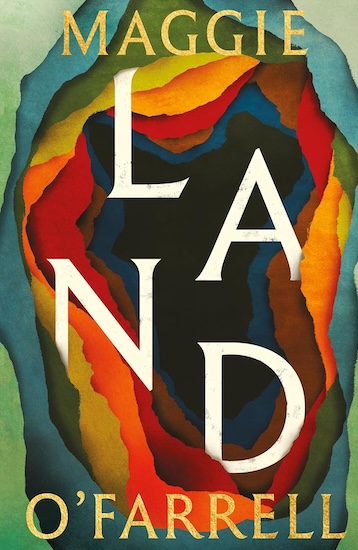
Land
Ireland, 1865. On a windswept peninsula overlooking the Atlantic, Tomás and his ten-year-old son, Liam, work on the ambitious Ordnance Survey project to map the entire country. Still haunted by the devastating Great Hunger, Tomás is determined that his maps will preserve a record of the tragedy that transformed Ireland. But when an unsettling encounter in an ancient woodland disrupts his work and changes his behaviour, Liam finds himself struggling to understand his father while facing the daunting task of completing their mission.
As their family’s story unfolds, buried secrets, lingering ghosts, and the enduring power of the Irish landscape reveal how the past continues to shape the present. Spanning generations and exploring the consequences of colonisation, famine, and displacement, Land is a sweeping historical novel about survival, family, and the profound connections between people and the places they call home. Maggie O’Farrell weaves Irish history with folklore and intimate human drama, creating a meditation on memory, belonging, and the ways landscapes preserve stories that history cannot erase.
2026
2
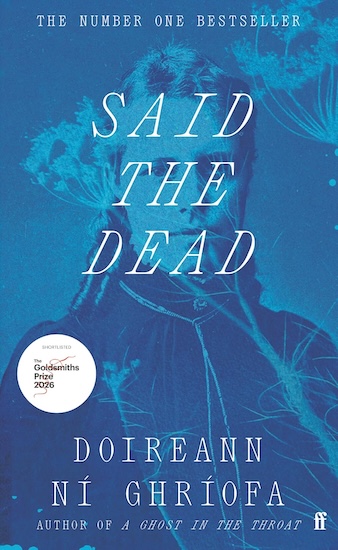
Said the Dead
In Cork, Ireland, a derelict Victorian psychiatric hospital is being transformed into modern apartments. For one woman, known as the Reader, the abandoned building becomes the beginning of an extraordinary investigation into the lives of the women who once lived behind its walls. Through archival records and the casebooks of Dr Lucia Strangman, one of Ireland’s earliest female asylum doctors, she discovers the stories of women whose suffering was recorded, interpreted, and too often misunderstood by the medical establishment. As the Reader becomes increasingly immersed in their histories, the boundaries between past and present, personal experience and historical memory begin to blur. Blending biography, memoir, historical research, and elements of the ghost story, Said the Dead gives imaginative life to forgotten women while examining grief, mental illness, motherhood, and the ethics of recovering voices that history has silenced.
2026
3
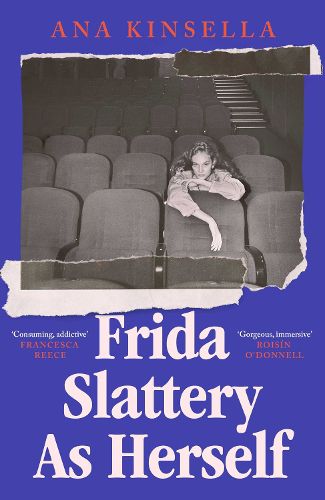
Frida Slattery As Herself
When aspiring actress Frida Slattery meets ambitious theatre director John Reddan in a Dublin pub in 2005, neither can imagine how profoundly they will shape each other’s lives. Frida is struggling to establish herself as an actress, while John is beginning to make a name for himself as a writer and director. Recognizing each other’s creative potential, they embark on an artistic partnership that brings them professional success, critical acclaim, and an increasingly complicated personal relationship.
Over the next sixteen years, their intertwined lives carry them from Dublin to London, New York, and Los Angeles. As their careers evolve and their personal lives become more complicated, the boundaries between artistic collaboration, friendship, ambition, and romantic desire grow increasingly difficult to navigate. Success brings new opportunities, but also betrayal, disappointment, and heartbreak. Despite marriages, separations, and the changing circumstances of their lives, Frida and John remain connected in ways neither can fully explain.
With wit and psychological insight, Ana Kinsella explores the relationship between art and identity, examining how creative partnerships can inspire us while also threatening to define us. This expansive literary novel is ultimately a story about love, ambition, artistic expression, and the difficult process of finding one’s own voice.
2026
4
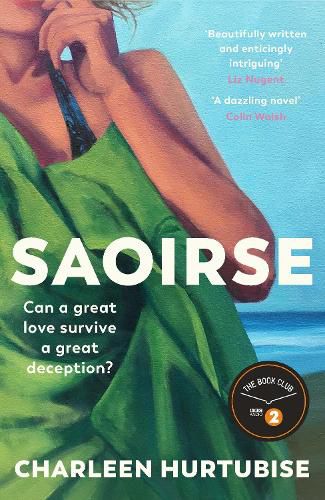
Saoirse
In 1999, Saoirse Byrne appears to have found the life she always dreamed of. Living on Ireland’s rugged Donegal coast, she shares a peaceful home with her partner, Daithí, and their two daughters. A talented artist, she pours her love for her family and her appreciation of the surrounding landscape into her paintings. But beneath this seemingly idyllic existence lies a secret: Saoirse has been living under a stolen identity since fleeing the United States as a teenager. She has crossed an ocean to escape a traumatic childhood and the dangerous people connected to her past, determined never to return to the life she left behind.
When an exhibition in Dublin brings her unexpected acclaim, the attention threatens to expose the carefully constructed identity that has allowed her to survive. As memories of her troubled upbringing and the choices she made to escape resurface, Saoirse must confront the possibility that the past she has tried to bury could destroy the family and freedom she has worked so hard to build.
Moving between Ireland and the United States, this suspenseful literary novel explores trauma, reinvention, the complexities of love, and the fragile boundary between survival and deception. It asks whether it is possible to escape one’s past—or whether true freedom requires facing it at last.
2026