Books from Ireland
Suggest a book
All genres
Historical Fiction
Literary Fiction
Fantasy
Romance
Horror
Thriller
Non-Fiction
Mystery
Memoir
Classics
History
Sci-Fi
Contemporary Fiction
Science Fiction
Fiction
Poetry
Essays
Family Saga
Magical Realism
Family Drama
Dark Academia
Psychological Fiction
Dark Comedy
Political Writing
Feminist Fiction
Satire
Campus Fiction
Cultural Studies
Biography
Philosophy
Comedy
Drama
Young Adult
Gothic
Dystopia
Crime
Children's Books
Short Stories
Mythology
Cozy
Retellings
Humour
Adventure
All themes
Love & Passion
Adventure & Journey
Identity & Belonging
War & Conflict
Freedom & Resistance
Family & Heritage
Nature & Landscape
Society & Class
Spirituality & Faith
Solitude & Exile
Coming of Age
Revolution & Change
Friendship
History
Immigration
Myths and Retellings
Colonialism
Women & Society
Mental Health
Motherhood
1
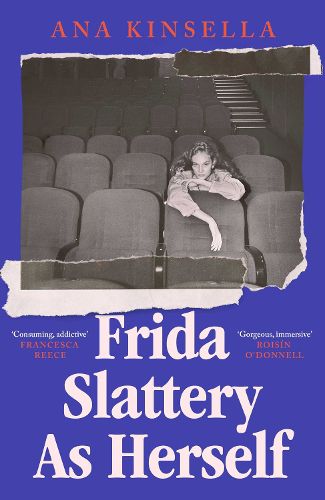
Frida Slattery As Herself
When aspiring actress Frida Slattery meets ambitious theatre director John Reddan in a Dublin pub in 2005, neither can imagine how profoundly they will shape each other’s lives. Frida is struggling to establish herself as an actress, while John is beginning to make a name for himself as a writer and director. Recognizing each other’s creative potential, they embark on an artistic partnership that brings them professional success, critical acclaim, and an increasingly complicated personal relationship.
Over the next sixteen years, their intertwined lives carry them from Dublin to London, New York, and Los Angeles. As their careers evolve and their personal lives become more complicated, the boundaries between artistic collaboration, friendship, ambition, and romantic desire grow increasingly difficult to navigate. Success brings new opportunities, but also betrayal, disappointment, and heartbreak. Despite marriages, separations, and the changing circumstances of their lives, Frida and John remain connected in ways neither can fully explain.
With wit and psychological insight, Ana Kinsella explores the relationship between art and identity, examining how creative partnerships can inspire us while also threatening to define us. This expansive literary novel is ultimately a story about love, ambition, artistic expression, and the difficult process of finding one’s own voice.
2026
2
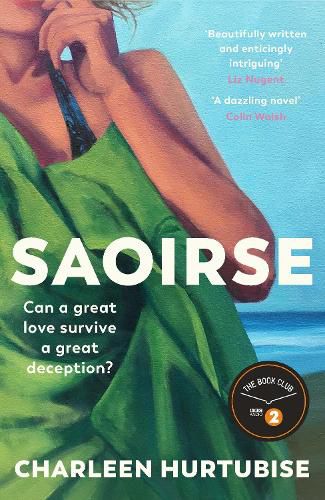
Saoirse
In 1999, Saoirse Byrne appears to have found the life she always dreamed of. Living on Ireland’s rugged Donegal coast, she shares a peaceful home with her partner, Daithí, and their two daughters. A talented artist, she pours her love for her family and her appreciation of the surrounding landscape into her paintings. But beneath this seemingly idyllic existence lies a secret: Saoirse has been living under a stolen identity since fleeing the United States as a teenager. She has crossed an ocean to escape a traumatic childhood and the dangerous people connected to her past, determined never to return to the life she left behind.
When an exhibition in Dublin brings her unexpected acclaim, the attention threatens to expose the carefully constructed identity that has allowed her to survive. As memories of her troubled upbringing and the choices she made to escape resurface, Saoirse must confront the possibility that the past she has tried to bury could destroy the family and freedom she has worked so hard to build.
Moving between Ireland and the United States, this suspenseful literary novel explores trauma, reinvention, the complexities of love, and the fragile boundary between survival and deception. It asks whether it is possible to escape one’s past—or whether true freedom requires facing it at last.
2026
3
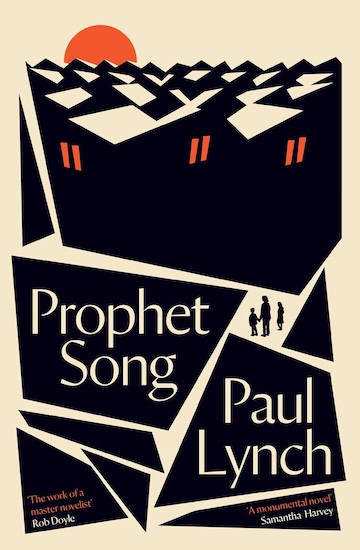
Prophet Song
Prophet Song follows Eilish Stack, a mother of four living in Dublin as Ireland descends into authoritarianism. When a newly empowered secret police force begins targeting political opponents, Eilish’s husband, a trade unionist, disappears into state custody. As restrictions tighten and violence spreads, Eilish struggles to protect her children while navigating a society where ordinary institutions can no longer guarantee safety or justice. Her efforts to maintain a semblance of normal life become increasingly desperate as neighbours disappear, public services collapse, and the possibility of escape grows more complicated. Lynch presents the crisis through Eilish’s increasingly claustrophobic perspective, capturing the emotional exhaustion of a parent forced to make impossible choices. The novel explores authoritarianism, displacement, and the cost of resisting political oppression, showing how democracy can erode gradually until private life becomes inseparable from the struggle for survival.
2024
4
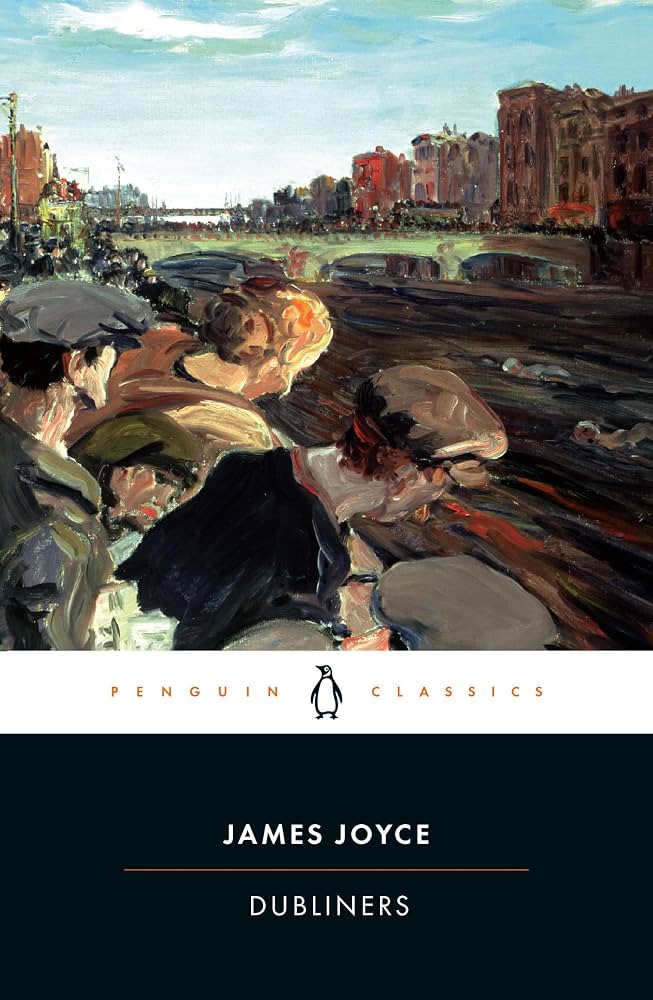
Dubliners
Dubliners is a collection of fifteen short stories portraying the lives of ordinary people in Dublin at the beginning of the twentieth century. The stories follow children, adolescents, adults, and elderly characters as they confront family obligations, unfulfilled ambitions, religious expectations, and the limitations of their social environment. Some experience moments of sudden insight that reveal the compromises and disappointments shaping their lives, while others remain trapped by fear, habit, or economic necessity. Joyce presents Dublin as a city where political stagnation, social conventions, and the influence of the Catholic Church affect even the most private decisions. His restrained prose captures the significance of everyday encounters and seemingly minor events. The collection explores paralysis, longing, and the desire for escape, offering a powerful portrait of individuals who recognise the possibility of change but often struggle to act upon it.
2022
5
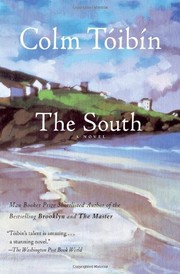
The South
Set in the 1950s, The South follows Katherine Proctor, an Irish Protestant woman who leaves her husband, young son, and home in Ireland to begin a new life in Barcelona. Determined to become a painter, she immerses herself in the city’s artistic community, where she meets Miguel, an anarchist and veteran of the Spanish Civil War. Their relationship leads her to a remote village in the Pyrenees, where she attempts to reconcile her artistic ambitions with her desire for love and independence. However, the past continues to shape her choices, forcing her to confront the complexities of her marriage, family ties, and cultural identity. Through Katherine’s journey, Colm Tóibín explores exile, self-discovery, and the difficult pursuit of personal freedom against the weight of social expectations and historical conflict.
2012
6
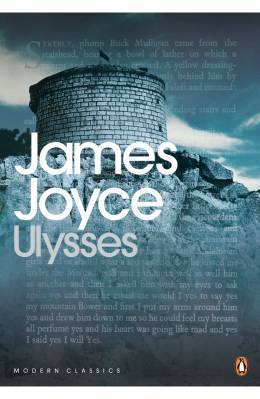
Ulysses
Ulysses follows a single day in the lives of Leopold Bloom, an advertising canvasser, and Stephen Dedalus, a young writer, as they move through Dublin on 16 June 1904. Their ordinary activities—walking through the city, eating, working, attending a funeral, and visiting a maternity hospital—become the basis for an extraordinary exploration of consciousness and urban life. Bloom’s wanderings are interwoven with Stephen’s intellectual struggles and the experiences of Molly Bloom, whose final extended monologue offers an intimate portrait of memory, desire, and marriage. Joyce draws parallels between the characters’ experiences and episodes from Homer’s Odyssey, transforming an ancient epic into a modern story about everyday existence. Through experimental language, shifting narrative styles, and detailed observations, the novel explores identity, belonging, sexuality, and the complexity of human thought.
2008