Greece
Europe
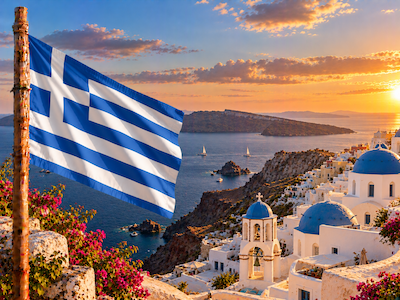




Greece is a Mediterranean country of mountains, islands, olive groves, and long coastlines stretching across the Aegean and Ionian seas. Its cultural heritage reflects ancient Greek civilization, Byzantine and Orthodox traditions, Ottoman history, and centuries of connection with the wider Mediterranean. Athens remains a major cultural center, while cities and islands across the country preserve distinctive regional traditions.
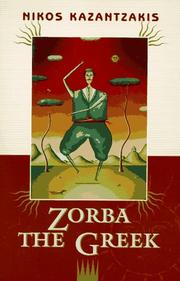
Greece has one of the world’s oldest and most influential literary traditions. Its foundations include ancient epic poetry, mythology, drama, philosophy, and historical writing, beginning with works such as Homer’s Iliad and Odyssey. Ancient Greek tragedy and comedy, represented by Aeschylus, Sophocles, Euripides, and Aristophanes, profoundly influenced European literature and theater. Greek literature continued through the Byzantine period, later developing into distinctive vernacular traditions under Ottoman rule and during the Greek national revival. Modern Greek writers such as Dionysios Solomos, Alexandros Papadiamantis, Nikos Kazantzakis, George Seferis, and Odysseas Elytis explored national identity, spirituality, history, exile, and the relationship between people and landscape. Seferis and Elytis both received the Nobel Prize in Literature. Contemporary Greek literature continues to engage with memory, political change, migration, family, economic crisis, identity, and the legacy of antiquity, often placing ancient cultural inheritance alongside the realities of modern Greek life.