Books from United Kingdom
Suggest a book
All genres
Historical Fiction
Literary Fiction
Fantasy
Romance
Horror
Thriller
Non-Fiction
Mystery
Memoir
Classics
History
Sci-Fi
Contemporary Fiction
Science Fiction
Fiction
Poetry
Essays
Family Saga
Magical Realism
Family Drama
Dark Academia
Psychological Fiction
Dark Comedy
Political Writing
Feminist Fiction
Satire
Campus Fiction
Cultural Studies
Biography
Philosophy
Comedy
Drama
Young Adult
Gothic
Dystopia
Crime
Children's Books
Short Stories
Mythology
Cozy
Retellings
Humour
Adventure
All themes
Love & Passion
Adventure & Journey
Identity & Belonging
War & Conflict
Freedom & Resistance
Family & Heritage
Nature & Landscape
Society & Class
Spirituality & Faith
Solitude & Exile
Coming of Age
Revolution & Change
Friendship
History
Immigration
Myths and Retellings
Colonialism
Women & Society
Mental Health
Motherhood
1
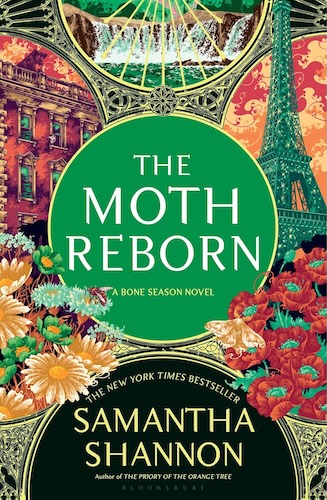
The Moth Reborn
The world has descended into chaos, and humanity can no longer deny that gods walk among them. After months abroad, clairvoyant Paige Mahoney is ready to reunite with Arcturus and continue their fight against the oppressive Republic of Scion. But an invitation to Iceland, where the Ranthen are choosing a new leader, ends in violence, forcing Paige and her allies into a dangerous flight across Europe. As she races to protect the revolution, Paige must uncover the truth about her own existence and the origins of clairvoyance. The sixth and penultimate instalment of The Bone Season series promises political intrigue, ancient revelations, and hard-won love.
2027
2
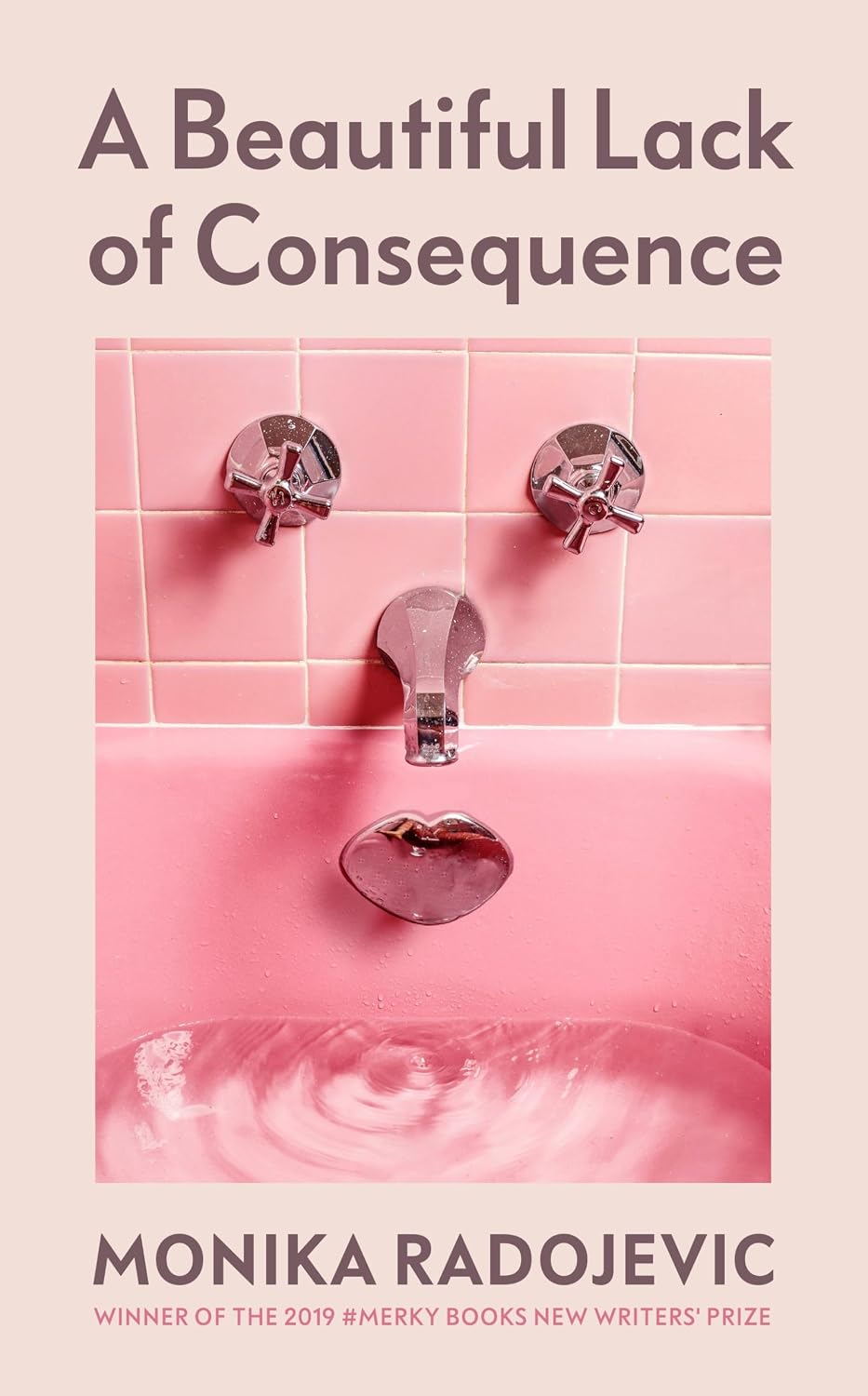
A Beautiful Lack of Consequence
A Beautiful Lack of Consequence is a collection of thirty short stories that explore the complexities of contemporary womanhood through a blend of realism, surrealism, dark humor, and feminist commentary.
Across its stories, Monika Radojevic depicts women confronting the pressures and expectations imposed on them by society. A woman enters a bar and finds herself completely invisible; a newly married couple faces a disturbing punishment for their childlessness; and a young girl trades her vocal cords for the possibility of freedom. These strange and unsettling scenarios transform familiar experiences of exclusion, fear, and powerlessness into imaginative explorations of resistance.
Moving between the everyday and the fantastical, the collection examines how women navigate relationships, social conventions, anger, and the struggle to make their voices heard. Radojevic combines tenderness with biting humor, capturing both the vulnerability and the strength of women pushed to their limits. Her stories ask what happens when those who have been expected to remain silent finally refuse to comply.
Dark, inventive, and sharply observed, the collection explores the possibilities of reclaiming agency in a world that continually attempts to define women’s lives.
2025
3
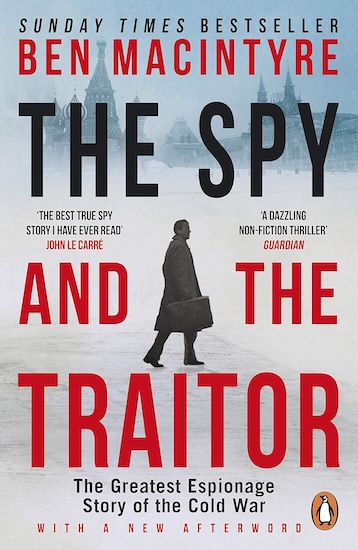
The Spy and the Traitor
In 1985, a seemingly ordinary man walks through the streets of Moscow carrying a plastic shopping bag. Hidden in plain sight, he is Oleg Gordievsky, a senior KGB officer who has secretly been working for British intelligence for more than a decade. As one of Britain’s most valuable spies inside the Soviet Union, he has passed on critical information about Soviet intelligence operations, helping the West understand the Kremlin’s intentions during the final years of the Cold War.
But Gordievsky’s double life becomes increasingly dangerous. While MI6 struggles to protect its most important source, the CIA grows suspicious and launches its own investigation to identify the mysterious British informant. Unknown to Gordievsky, the hunt for him leads to Aldrich Ames, a CIA officer secretly betraying American intelligence to the Soviets. When Gordievsky is recalled to Moscow, he faces interrogation, surveillance, and the possibility of execution. His only hope lies in an extraordinary escape plan that must unfold under the watchful eyes of the KGB.
Drawing on extensive research and previously undisclosed details, Ben Macintyre reconstructs one of the Cold War’s most remarkable espionage stories. The Spy and the Traitor explores loyalty, ideological conviction, betrayal, and the extraordinary courage required to risk everything for one’s beliefs.
2018
4
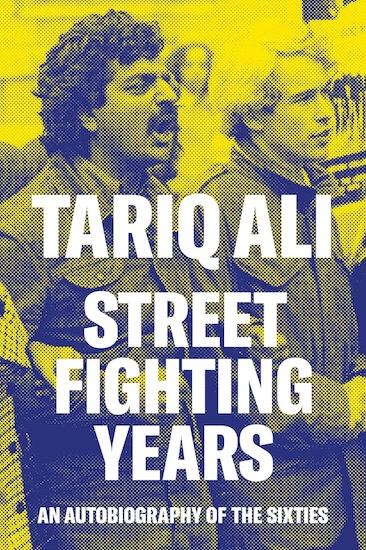
Street Fighting Years
In Street Fighting Years, Tariq Ali recounts his transformation from a young Pakistani student into one of the most prominent radical activists of the 1960s. Moving between London, Paris, Prague, Hanoi, and other centres of political upheaval, Ali offers a personal account of a decade defined by student revolts, anti-war demonstrations, revolutionary movements, and challenges to established political authority.
Through his encounters with figures such as Malcolm X, Bertrand Russell, Che Guevara, and Mick Jagger, Ali captures the energy and contradictions of a generation determined to reshape society. He reflects on the Vietnam War, the suppression of the Prague Spring, the rise of the international protest movement, and the growing opposition to Western imperialism. Blending autobiography with political history, the book explores the hopes, disagreements, and disappointments of activists who believed that collective action could transform the world. It is both a portrait of a turbulent era and a reflection on the personal costs of political commitment.
2018
5
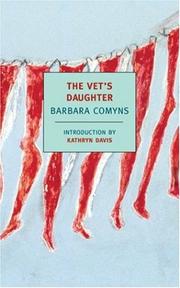
The Vet’s Daughter
Description:
The Vet’s Daughter is a dark, surreal novel about Alice Rowlands, a young woman growing up in a troubled London household dominated by her cruel father, a veterinary surgeon, and her fragile, dying mother. Isolated and emotionally neglected, Alice struggles to escape her father’s oppressive control while witnessing the suffering that surrounds her. After her mother’s death, her circumstances become increasingly desperate, and the novel gradually moves from grim domestic realism into the grotesque and supernatural. Alice discovers an extraordinary ability that transforms her from a powerless victim into someone capable of astonishing feats, though this new power brings its own unsettling consequences. Through strange imagery, black humour, and fairy-tale-like elements, Comyns explores abuse, repression, female vulnerability, and the longing for liberation. The novel’s unsettling atmosphere highlights how an ordinary world can become deeply disturbing when viewed through the eyes of someone denied love, safety, and independence.
1959
6
1984
Nineteen Eighty-Four follows Winston Smith, a low-ranking employee in a totalitarian state where the ruling Party controls information, language, and private life. Living under the constant surveillance of Big Brother, Winston secretly questions the official version of history and begins keeping a forbidden diary. His relationship with Julia offers a brief experience of intimacy and rebellion, but their defiance attracts the attention of the authorities. As Winston is subjected to psychological manipulation and brutal interrogation, the Party attempts not only to control his actions but also to reshape his understanding of reality. Orwell explores propaganda, censorship, surveillance, and the destruction of individual autonomy. The novel warns that political power becomes especially dangerous when it can dictate what people are permitted to remember, believe, and say.
1949
7
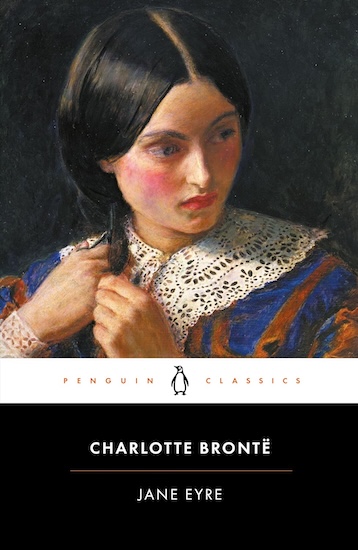
Jane Eyre
Jane Eyre follows an orphaned girl who grows up facing cruelty and neglect before becoming a governess at Thornfield Hall. Intelligent and determined, Jane values her independence and refuses to accept a life defined entirely by her social position or gender. At Thornfield, she falls in love with her employer, Edward Rochester, but discovers that his household conceals a disturbing secret that threatens their future together. When Jane is forced to choose between love and her moral principles, she leaves rather than compromise her dignity. Her journey eventually brings her new opportunities, unexpected family connections, and a chance to reconsider her relationship with Rochester. Brontë explores female autonomy, class inequality, religious morality, and the search for emotional belonging. The novel celebrates a woman’s right to pursue love without surrendering her conscience or independence.
1847