Books from United Kingdom
Suggest a book
All genres
Historical Fiction
Literary Fiction
Fantasy
Romance
Horror
Thriller
Non-Fiction
Mystery
Memoir
Classics
History
Sci-Fi
Contemporary Fiction
Science Fiction
Fiction
Poetry
Essays
Family Saga
Magical Realism
Family Drama
Dark Academia
Psychological Fiction
Dark Comedy
Political Writing
Feminist Fiction
Satire
Campus Fiction
Cultural Studies
Biography
Philosophy
Comedy
Drama
Young Adult
Gothic
Dystopia
Crime
Children's Books
Short Stories
Mythology
Cozy
Retellings
Humour
Adventure
All themes
Love & Passion
Adventure & Journey
Identity & Belonging
War & Conflict
Freedom & Resistance
Family & Heritage
Nature & Landscape
Society & Class
Spirituality & Faith
Solitude & Exile
Coming of Age
Revolution & Change
Friendship
History
Immigration
Myths and Retellings
Colonialism
Women & Society
Mental Health
Motherhood
1
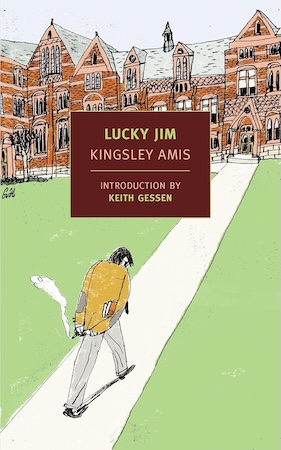
Lucky Jim
Jim Dixon is a young history lecturer at a provincial English university, and he is spectacularly ill-suited to the world of academic pretension surrounding him. Desperate to keep his job, he must endure pompous professors, tedious social gatherings, an exhausting relationship, and the looming disaster of a lecture he can barely bring himself to prepare. When he falls for Christine, the girlfriend of his employer’s son, his already chaotic life becomes even more complicated. Sharp, irreverent, and gloriously funny, Lucky Jim skewers class snobbery, intellectual pretension, and the absurd rituals of professional life. A landmark of postwar British literature, it remains a delightfully rebellious portrait of an ordinary man trying not to lose his mind in a world of fools.
1954
2
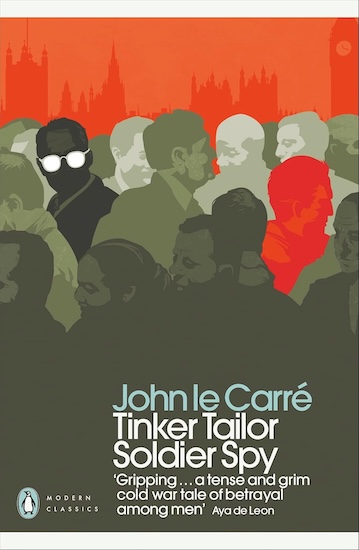
Tinker, Tailor, Soldier, Spy
At the height of the Cold War, British intelligence is facing a devastating crisis. A covert operation in Czechoslovakia has gone disastrously wrong, forcing the head of the Secret Intelligence Service, known as Control, into retirement. But before his departure, Control becomes convinced that a Soviet mole has infiltrated the highest levels of British intelligence, secretly feeding classified information to Moscow.
George Smiley, Control’s quiet, methodical former deputy, is brought back from retirement to investigate. Working in secret, he begins examining the service’s senior officers, each of whom has a codename from a childhood rhyme: Tinker, Tailor, Soldier, and others. As Smiley reconstructs past operations and follows a trail of carefully concealed evidence, he must determine which of his former colleagues has betrayed the organisation from within.
Set in the shadowy world of Cold War London, Tinker, Tailor, Soldier, Spy is a masterful espionage novel about deception, institutional loyalty, and the corrosive effects of suspicion. Rather than relying on spectacular action, John le Carré builds tension through quiet conversations, fragmented memories, and psychological insight, revealing a world where the greatest threat may be the person sitting beside you.
1974
3
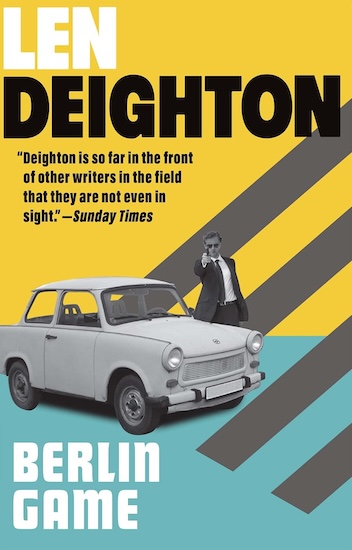
Berlin Game
During the Cold War, British intelligence officer Bernard Samson is accustomed to being overlooked. Now working behind a desk in London after years in the field, he is unexpectedly called back into action when one of Britain’s most valuable agents in East Berlin requests urgent extraction. Known by the codename “Brahms Four,” the agent believes a Soviet mole has infiltrated the highest levels of British intelligence—and that his own life is in immediate danger.
Sent to Berlin, Samson must navigate a labyrinth of double agents, conflicting loyalties, and carefully concealed secrets. His mission is complicated by the suspicion that the betrayal may come from someone within his own professional circle. Meanwhile, his relationship with his ambitious wife, Fiona, who is rising through the intelligence service while his own career stagnates, adds another layer of uncertainty to his already precarious position.
The first novel in Len Deighton’s acclaimed Game, Set and Match trilogy, Berlin Game combines intricate espionage plotting with a sharp portrait of the people behind intelligence operations. Set in a divided Europe where trust is a dangerous luxury, it explores betrayal, professional rivalry, and the personal costs of a life built around secrets.
1983
4
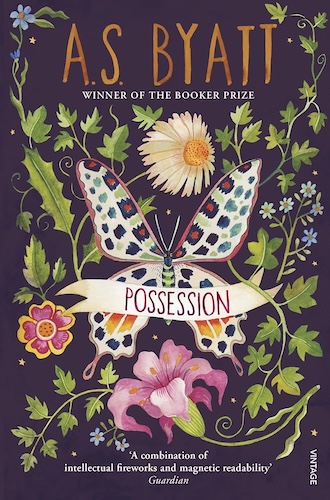
Possession
What if a forgotten love affair hidden in old letters could change everything you thought you knew about the past? When young literary scholar Roland Michell discovers a mysterious letter written by the celebrated Victorian poet Randolph Henry Ash, he begins investigating a secret that could transform literary history. Joined by Maud Bailey, an expert on the lesser-known poet Christabel LaMotte, Roland follows a trail of letters, diaries, and poems that reveals a passionate relationship between two writers whose lives were never meant to be connected. As the scholars uncover the truth, their own feelings begin to mirror those of the poets they study. Blending romance, mystery, and literary intrigue, Possession is a captivating exploration of love, obsession, and the stories history leaves behind. The novel won the 1990 Booker Prize.
1990
5

White Teeth
Set in multicultural London, White Teeth follows the intertwined lives of two families whose histories reflect the complexities of immigration, colonialism, and cultural belonging in modern Britain. Archie Jones, a disillusioned Englishman, and Samad Iqbal, a Bangladeshi Muslim immigrant, become unlikely friends during the Second World War. Decades later, their families remain connected as their children grow up navigating questions of heritage, religion, and identity in a rapidly changing society.
Samad struggles to preserve his cultural traditions while raising twin sons, Magid and Millat, whose opposing paths challenge his expectations. Meanwhile, Archie’s daughter, Irie, searches for a sense of belonging amid conflicting ideas about race, beauty, and family history. Their lives become entangled with the Chalfens, a liberal, intellectually confident British family whose influence exposes the contradictions within multicultural society.
Combining sharp humor, memorable characters, and intergenerational storytelling, Smith’s debut novel explores the tension between tradition and modernity, the lasting effects of colonial history, and the ways family legacies shape individual identity. White Teeth is a vibrant portrait of contemporary Britain and its many overlapping cultures.
2000
6
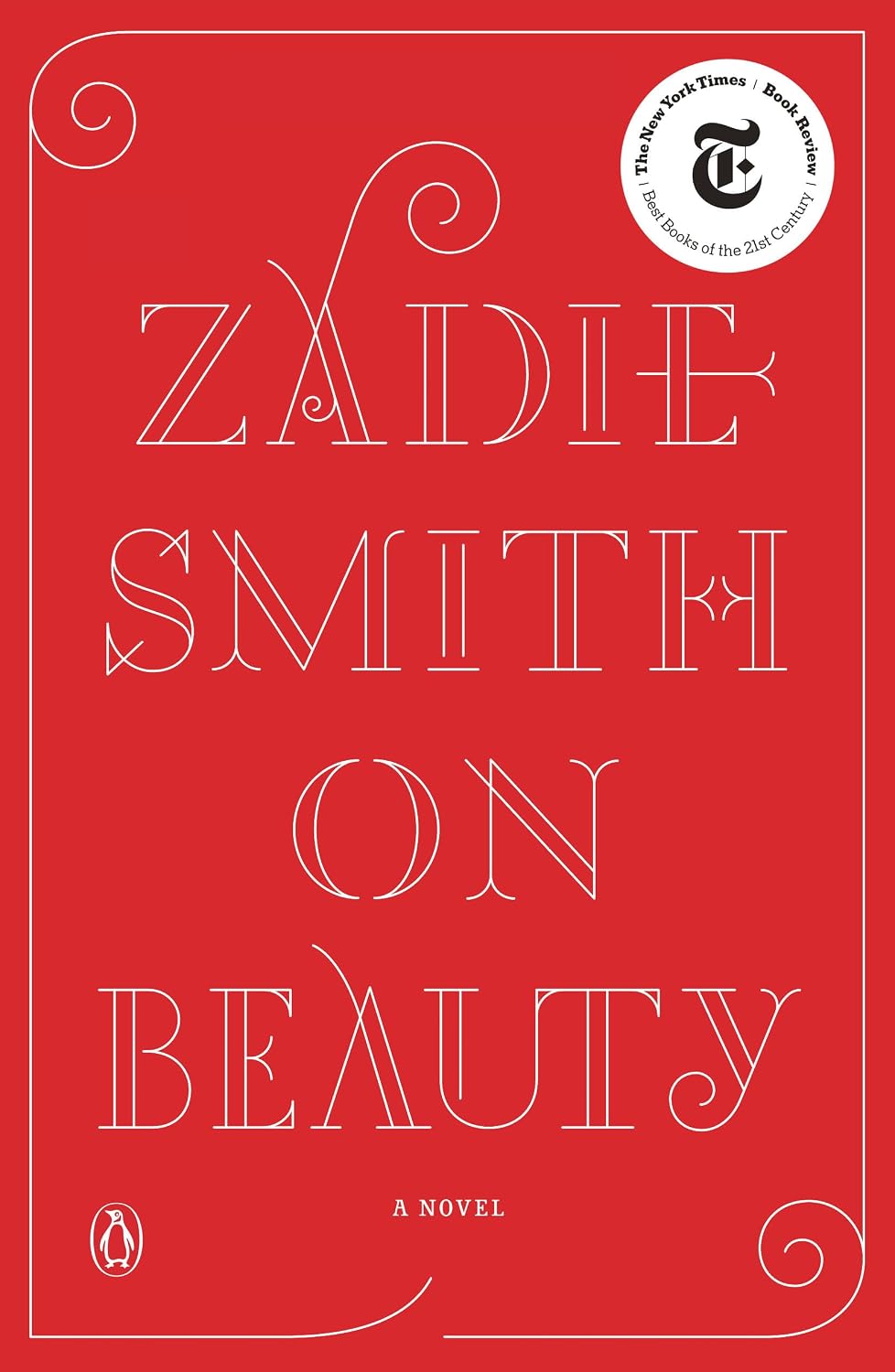
On Beauty
On Beauty is a witty, richly layered novel about family, cultural identity, and intellectual life, set between a fictional university town near Boston and London. The story centers on Howard Belsey, a British art historian teaching at Wellington College, and his American wife, Kiki, whose marriage is strained by infidelity, ideological disagreements, and diverging personal ambitions. Their three children—Jerome, Zora, and Levi—are each searching for their own place in a world shaped by race, class, and competing cultural values.
The Belseys’ lives become increasingly entangled with those of the Kipps family, led by Monty Kipps, a conservative Caribbean-born academic whose views sharply oppose Howard’s liberal convictions. As the two families collide, their rivalries expose the contradictions between public beliefs and private behavior.
Inspired in part by E. M. Forster’s Howards End, Smith’s novel explores the complicated relationship between beauty and morality, the limits of intellectual certainty, and the tensions between tradition and change. Both humorous and emotionally perceptive, On Beauty offers a portrait of contemporary multicultural society and the fragile bonds that hold families together.
2005
7
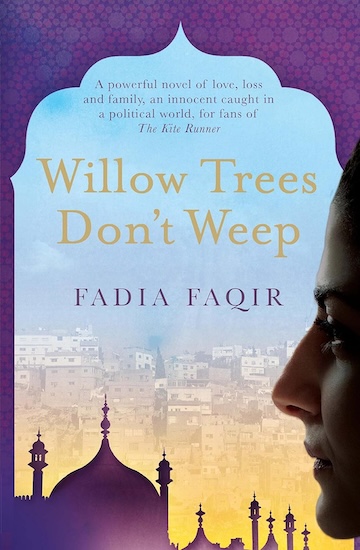
Willow Trees Don't Weep
When Najwa’s mother dies, the young Jordanian woman finds herself facing a future she has never been prepared for. In the conservative society of Amman, an unmarried woman without a male guardian has few options. Her father, Omar, abandoned the family when she was a child to join a radical Islamist movement, leaving Najwa to grow up with unanswered questions about his disappearance and the beliefs that drove him away.
Determined to find him, Najwa sets out on a dangerous journey from Jordan to Afghanistan, following the trail of a man she barely remembers. But the father she imagines is not the man she discovers. Her search eventually takes her to Britain, where she must confront painful truths about her family, her father’s ideology, and her own place in the world. As she crosses borders and encounters unfamiliar cultures, Najwa begins to understand that finding her father may be less important than discovering who she wants to become.
Moving between the Middle East, Afghanistan, and Britain, Willow Trees Don’t Weep explores the consequences of political extremism through the intimate story of a daughter left behind. Fadia Faqir examines patriarchal expectations, religious identity, and the struggle for female independence in a world where women are often forced to live with the consequences of men’s decisions.
2014
8
f
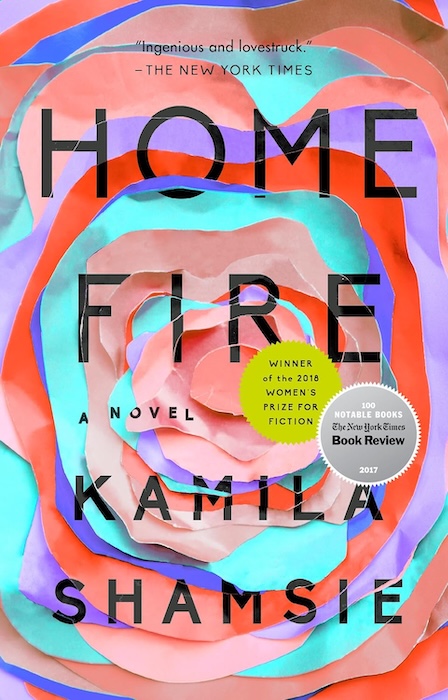
Home Fire is a contemporary reimagining of Sophocles’ ancient Greek tragedy Antigone, exploring family loyalty, political power, and the struggles of British Muslims to reconcile cultural identity with national belonging.
The novel follows Isma Pasha, who has spent years caring for her younger twin siblings, Aneeka and Parvaiz, after their mother’s death. When Isma finally leaves London to pursue her studies in the United States, she remains deeply concerned about her siblings. Parvaiz, haunted by the legacy of his deceased jihadist father, travels to Syria to join ISIS, only to discover that he has made a devastating mistake. Desperate to bring her brother home, Aneeka becomes involved with Eamonn Lone, the son of a powerful British politician whose hard-line policies threaten her family’s future.
As personal relationships become entangled with national security and political ambition, Shamsie examines the painful consequences of divided loyalties. The novel explores how governments define belonging, whose grief is considered legitimate, and what people are willing to sacrifice for those they love. Home Fire won the 2018 Women’s Prize for Fiction.
2017
9
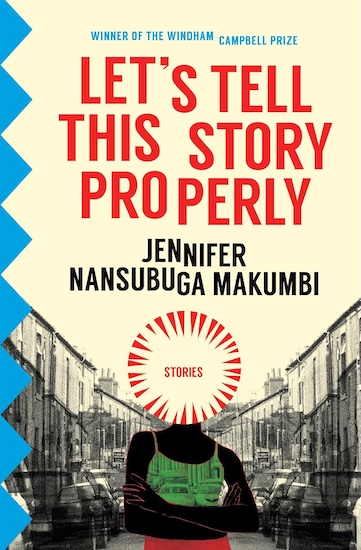
Let's Tell This Story Properly
In Let’s Tell This Story Properly, Jennifer Nansubuga Makumbi explores the experiences of Ugandans living in Britain, examining how migration reshapes identity, family relationships, and the meaning of home. Across a collection of interconnected stories, her characters navigate the challenges of building lives in a country where they may be highly visible as workers and neighbours yet remain socially marginalised. From airport security staff to healthcare workers and families divided between continents, the stories reveal the everyday realities of belonging to more than one place.
The title story follows Nnam, a Ugandan woman living in Manchester, who returns to Uganda with her husband’s body for his funeral rites. There, she discovers that the life she thought she understood concealed painful secrets. Other stories explore the difficult adjustment of immigrants, generational tensions within diaspora families, and the ways cultural expectations persist across distance. Characters often find themselves caught between the home they left and the new home they are trying to make, never feeling entirely at ease in either.
With emotional depth, sharp observation, and occasional dark humour, Makumbi portrays migration as more than a geographical journey. It is also a process of renegotiating family loyalties, cultural identity, and personal history. The collection asks how far people must travel to find belonging—and what happens when the meaning of home changes while they are away.
2019
10
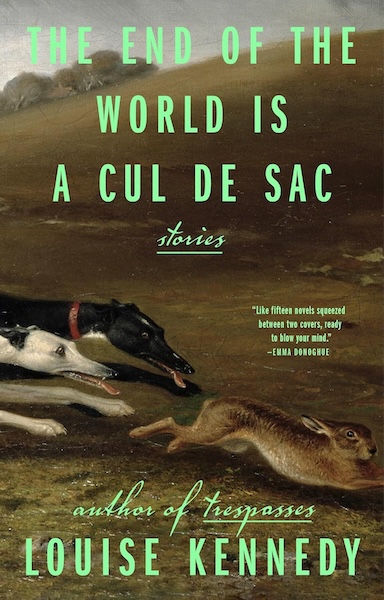
The End of the World Is a Cul de Sac
In this striking collection of fifteen short stories, ordinary lives unravel in unexpected ways. A newly married woman finds herself abandoned in a half-finished housing estate; a mother grows increasingly suspicious of her husband’s relationship with a teenage girl; a woman struggles with guilt after an abortion threatens her marriage. Across these stories, Louise Kennedy’s characters confront betrayal, poverty, violence, loneliness, and the quiet desperation of lives that have not turned out as planned.
Set against the landscapes and social realities of Ireland, the collection reveals how private struggles are shaped by wider forces, from the legacy of the Troubles to restrictive expectations placed on women. Kennedy balances bleak humour with moments of tenderness and beauty, finding humanity in characters who are often flawed, trapped, or complicit in their own unhappiness. The End of the World Is a Cul de Sac is an unflinching portrait of people at breaking points, exploring how cruelty and vulnerability coexist—and how unexpected glimpses of hope can emerge from the most difficult circumstances.
2021
11
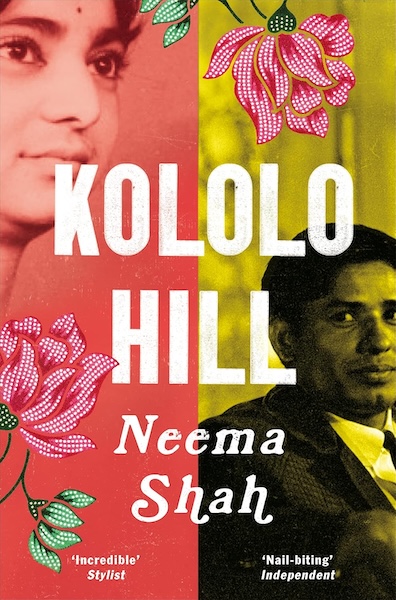
Kololo Hill
In 1972, Ugandan Asians are given just ninety days to leave the country under President Idi Amin’s expulsion order. For Asha and Pran, newly married and working to secure their future, the decree means abandoning the family business and the life they have built. Pran’s mother, Jaya, must also leave the home she has known for decades. As violence escalates in Kampala and people begin disappearing, the family faces an uncertain journey to Britain, where refuge does not necessarily mean belonging.
Arriving in a country that feels unfamiliar, they must rebuild their lives while carrying the emotional weight of everything they have lost. But their struggle is complicated by a devastating secret surrounding their expulsion—one that threatens to fracture the family just when they need one another most.
Moving between the green hills of Kampala and the terraced streets of London, Kololo Hill explores displacement, family loyalty, and the meaning of home. Inspired by the history of Uganda’s Asian community and the author’s own family heritage, this moving novel reveals how political upheaval can reshape lives across generations.
2021
12
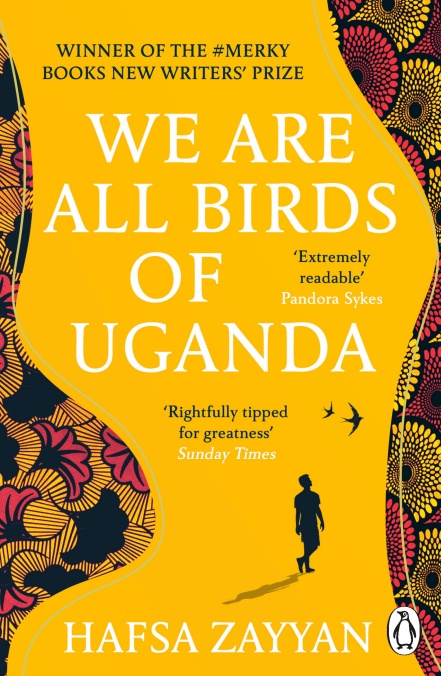
We Are All Birds Of Uganda
In 1960s Uganda, Hasan is struggling to rebuild his life after the death of his wife. Just as he begins to find his footing, political upheaval and rising racial prejudice threaten everything he has worked for. As a member of Uganda’s South Asian community, Hasan faces an uncertain future in a country his family has long called home. The political climate deteriorates further under Idi Amin’s regime, which ultimately forces many South Asians to leave Uganda.
Decades later, in London, Sameer appears to have everything: a successful career as a lawyer and the future he once dreamed of. Yet beneath his achievements lies a persistent sense of emptiness. An unexpected family tragedy draws him back into his family’s history, revealing the sacrifices, losses, and unanswered questions that shaped his identity.
Moving between generations and continents, We Are All Birds of Uganda explores displacement, racial prejudice, inherited trauma, and the complicated meaning of belonging. Through Hasan and Sameer’s intertwined stories, Hafsa Zayyan examines how migration reshapes families and how the past continues to influence those who inherit its consequences.
2021