Books from United Kingdom
Suggest a book
All genres
Historical Fiction
Literary Fiction
Fantasy
Romance
Horror
Thriller
Non-Fiction
Mystery
Memoir
Classics
History
Sci-Fi
Contemporary Fiction
Science Fiction
Fiction
Poetry
Essays
Family Saga
Magical Realism
Family Drama
Dark Academia
Psychological Fiction
Dark Comedy
Political Writing
Feminist Fiction
Satire
Campus Fiction
Cultural Studies
Biography
Philosophy
Comedy
Drama
Young Adult
Gothic
Dystopia
Crime
Children's Books
Short Stories
Mythology
Cozy
Retellings
Humour
Adventure
All themes
Love & Passion
Adventure & Journey
Identity & Belonging
War & Conflict
Freedom & Resistance
Family & Heritage
Nature & Landscape
Society & Class
Spirituality & Faith
Solitude & Exile
Coming of Age
Revolution & Change
Friendship
History
Immigration
Myths and Retellings
Colonialism
Women & Society
Mental Health
Motherhood
1
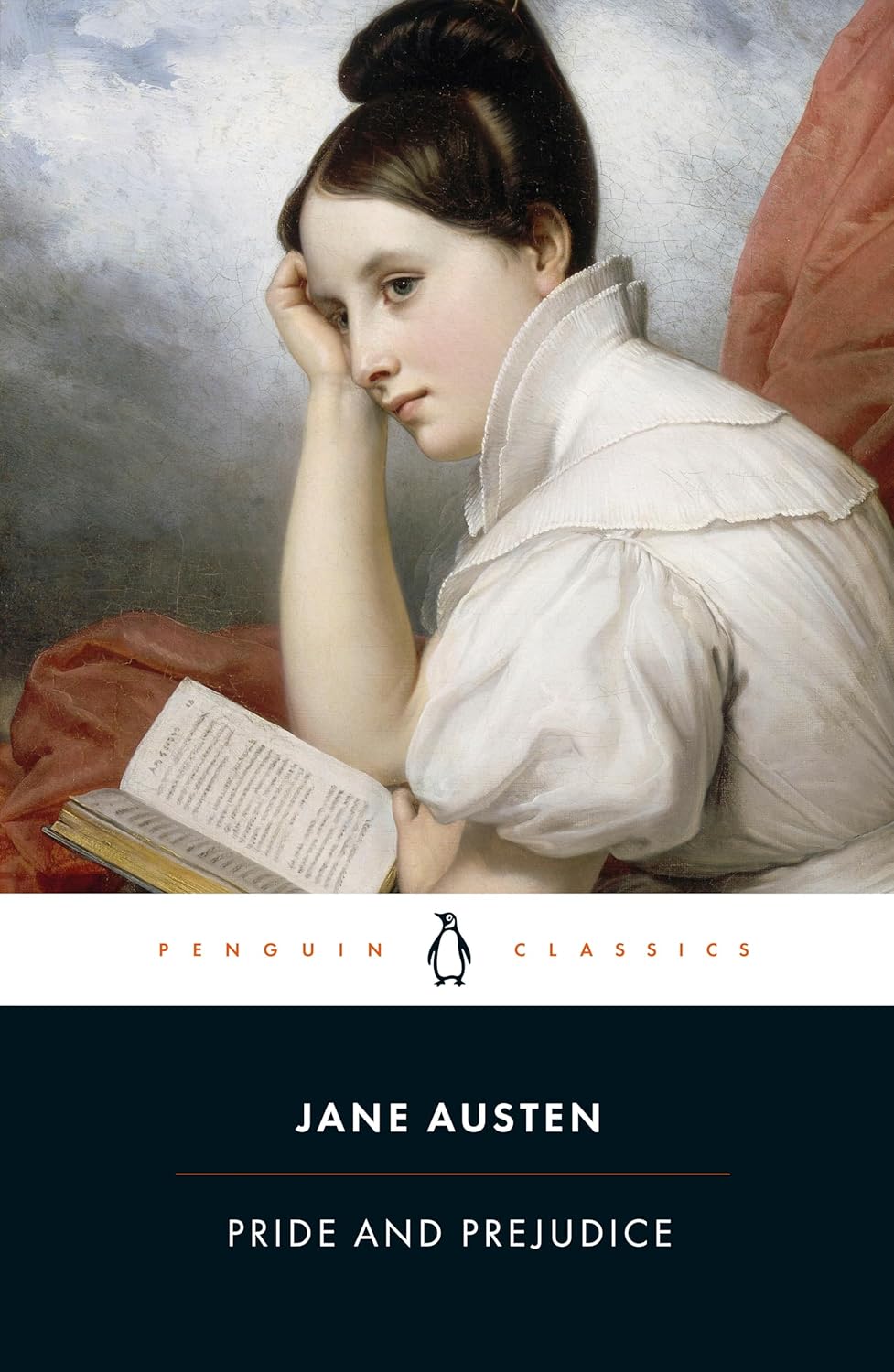
Pride and Prejudice
Pride and Prejudice follows Elizabeth Bennet, an intelligent and independent young woman navigating love and social expectations in Regency England. When the wealthy and reserved Mr Darcy enters her social circle, Elizabeth forms a negative impression of him, while Darcy initially struggles to look beyond her family’s lower social standing. Their relationship develops through misunderstandings, wounded pride, and gradual self-discovery. Meanwhile, Elizabeth’s sisters face the financial and social pressures associated with marriage in a society where women have limited opportunities for economic independence. Through wit and sharp observation, Austen critiques class prejudice, superficial judgments, and the belief that wealth guarantees moral worth. The novel explores the importance of self-awareness and mutual respect, suggesting that lasting relationships require people to question their assumptions and recognise their own shortcomings.
1813
2
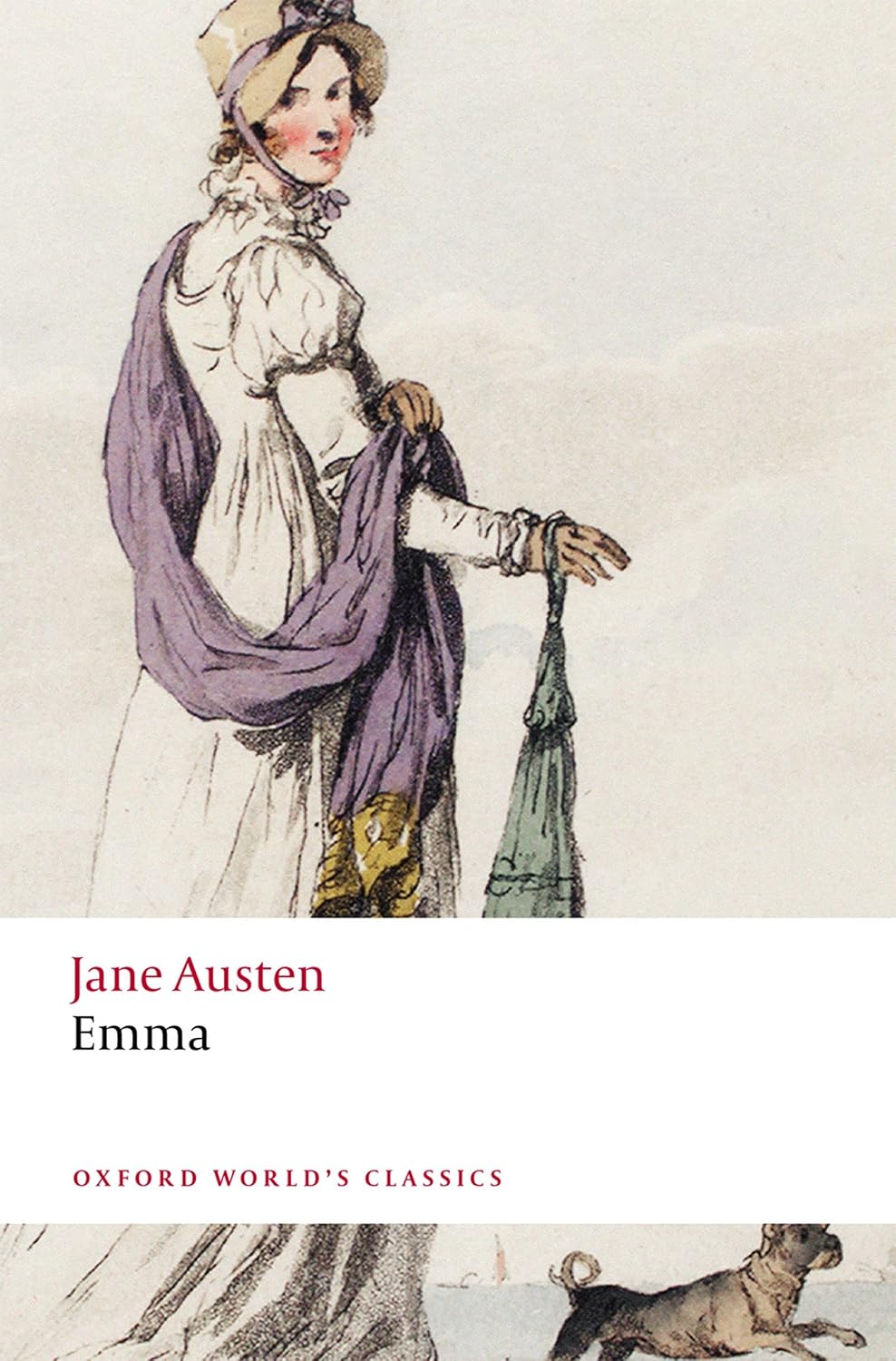
Emma
Emma centres on Emma Woodhouse, a wealthy young woman who believes herself exceptionally skilled at understanding other people’s romantic feelings. Having decided that she will never marry, Emma occupies herself by arranging relationships among her friends and neighbours. However, her confidence repeatedly leads her to misinterpret people’s intentions, creating misunderstandings and emotional complications. As her attempts at matchmaking affect those around her, Emma gradually recognises her own prejudices and the limitations of her judgment. Her relationship with the perceptive Mr Knightley becomes central to this process of self-discovery. Austen combines humour with social observation to examine class distinctions, female independence, and the difficulties of understanding others. The novel explores how maturity requires humility, empathy, and the willingness to reconsider one’s assumptions about love and human behaviour.
1815
3
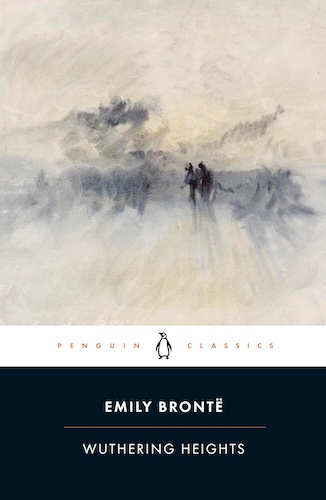
Wuthering Heights
Wuthering Heights tells the turbulent story of Catherine Earnshaw and Heathcliff, whose intense attachment becomes entangled with pride, social ambition, and revenge. Growing up together on the Yorkshire moors, they develop a bond that Catherine ultimately sacrifices by marrying Edgar Linton, a man of higher social standing. Heathcliff, devastated by her decision, returns years later wealthy and determined to punish those he believes have wronged him. His revenge extends beyond Catherine and Edgar, affecting their children and the next generation. Through its layered narration and haunting landscape, Brontë explores destructive passion, class divisions, and the lasting consequences of emotional cruelty. The novel challenges idealised notions of romantic love, portraying attachment as a force that can inspire profound devotion while also consuming lives and perpetuating suffering.
1847