Czech Republic
Europe
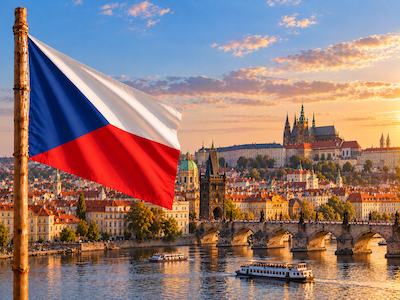
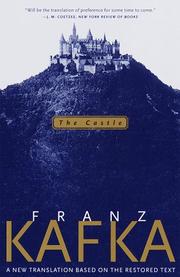
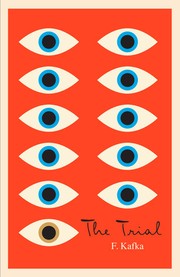
The Czech Republic, also known as Czechia, lies at the heart of Central Europe, with a landscape of medieval towns, historic cities, rolling countryside, forests, and mountains. Prague is its cultural center, but the country’s identity also comes from smaller towns, castles, industrial cities, and a long tradition of craftsmanship, music, theater, and literature.
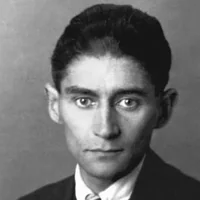
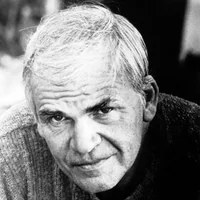
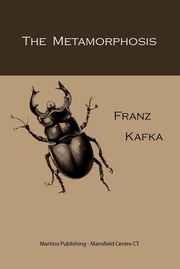
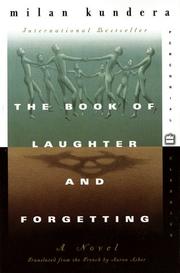
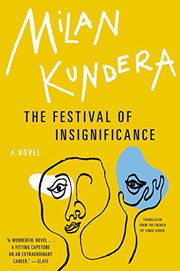
Czech literature has roots reaching back to the medieval period, but modern Czech literary culture developed particularly strongly during the 19th-century National Revival, when writers and scholars played an important role in strengthening the Czech language and cultural identity. Major figures of this period include Karel Hynek Mácha, Božena Němcová, and Jan Neruda. After World War II, Czech literature was deeply shaped by communism, censorship, exile, and dissent. Writers such as Bohumil Hrabal, Václav Havel, Josef Škvorecký, Milan Kundera, and Nobel Prize–winning poet Jaroslav Seifert explored freedom, memory, absurdity, everyday life, and the relationship between the individual and political power. Contemporary Czech literature continues to engage with history, identity, memory, post-socialist society, migration, and changing European life.