Costa Rica
North America
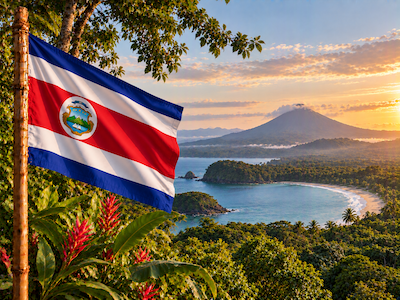
Costa Rica is a small Central American country known for its extraordinary biodiversity, volcanic landscapes, tropical forests, and coastlines on both the Pacific Ocean and Caribbean Sea. Its culture combines Indigenous, Spanish, Afro-Caribbean, and contemporary influences, while cities such as San José provide a lively cultural center surrounded by mountains and fertile highlands.
Costa Rican literature developed strongly in the late 19th and early 20th centuries, initially influenced by European literary traditions and the country’s changing social and political landscape. Joaquín García Monge, one of the country’s most influential intellectuals, helped shape modern Costa Rican literary culture through his writing and publishing work. Later writers expanded Costa Rican literature toward social realism, political criticism, questions of identity, and everyday life. Important figures include Carmen Lyra, whose Cuentos de mi tía Panchita became a classic of Costa Rican literature, as well as Carlos Luis Fallas, whose novel Mamita Yunai examines labor exploitation and social inequality. Contemporary Costa Rican writing often explores migration, urban life, memory, gender, environmental concerns, and the tension between local identity and globalization.