Books from China
Suggest a book
All genres
Historical Fiction
Literary Fiction
Fantasy
Romance
Horror
Thriller
Non-Fiction
Mystery
Memoir
Classics
History
Sci-Fi
Contemporary Fiction
Science Fiction
Fiction
Poetry
Essays
Family Saga
Magical Realism
Family Drama
Dark Academia
Psychological Fiction
Dark Comedy
Political Writing
Feminist Fiction
Satire
Campus Fiction
Cultural Studies
Biography
Philosophy
Comedy
Drama
Young Adult
Gothic
Dystopia
Crime
Children's Books
Short Stories
Mythology
Cozy
Retellings
Humour
Adventure
All themes
Love & Passion
Adventure & Journey
Identity & Belonging
War & Conflict
Freedom & Resistance
Family & Heritage
Nature & Landscape
Society & Class
Spirituality & Faith
Solitude & Exile
Coming of Age
Revolution & Change
Friendship
History
Immigration
Myths and Retellings
Colonialism
Women & Society
Mental Health
Motherhood
1
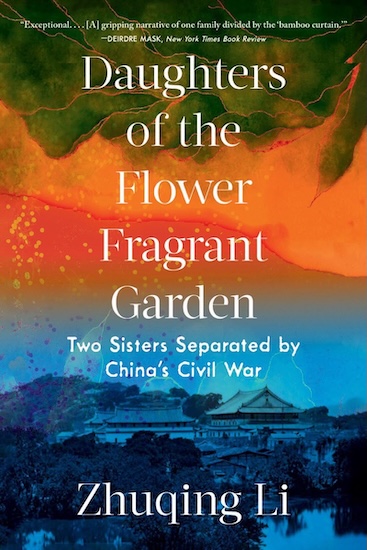
Daughters of the Flower Fragrant Garden
Born into a prominent family in southern China, sisters Jun and Hong grow up inseparable in the 1930s, surrounded by the traditions and privileges of a world on the brink of transformation. But when the Chinese Civil War ends in 1949, fate divides them between two rival political systems. Jun settles in Taiwan, marries a Nationalist general, and builds a successful business, while Hong remains on the mainland, where her family’s political background makes her vulnerable to suspicion and persecution. Despite decades of separation and silence, both women forge remarkable lives under vastly different circumstances. Drawing on family memories and historical research, Zhuqing Li tells a deeply personal story of sisterhood, resilience, and the ways political upheaval reshapes families and identities.
2023
2
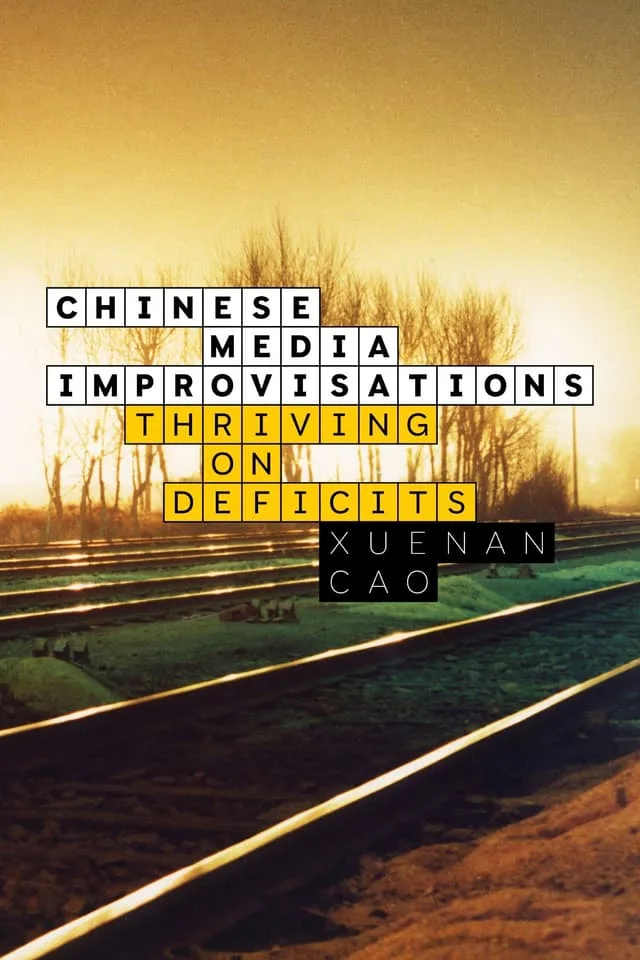
Chinese Media Improvisations
How does a society innovate when resources are scarce? In Chinese Media Improvisations: Thriving on Deficits, scholar Xuenan Cao offers a fresh perspective on China’s technological development, examining how shortages, political pressures, and material constraints have shaped the country’s media and technological imagination. Moving across several periods of Chinese history, Cao explores the printing shortages of Mao’s Great Leap Forward, the challenges of modernising China’s railway infrastructure, early experiments in information theory when computers were unavailable, and contemporary attempts to incorporate artificial intelligence into urban life. These seemingly disparate episodes reveal a recurring pattern: people adapt existing tools, improvise unconventional solutions, and transform limitations into opportunities for experimentation. Drawing on archival documents, newspapers, scientific publications, and literary works, Cao combines historical research with media theory to challenge assumptions about technological progress that originate in Western scholarship. The result is an interdisciplinary study of creativity, scarcity, and innovation that illuminates how China’s distinctive historical and political circumstances have shaped its relationship with technology.
2026