China
Asia
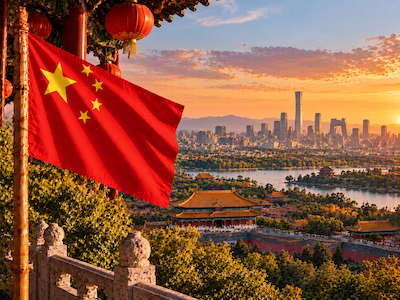
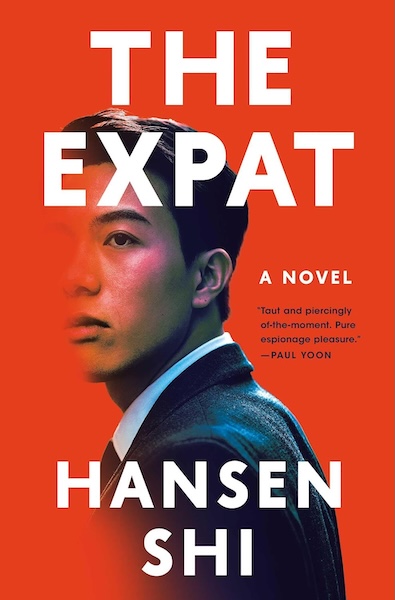
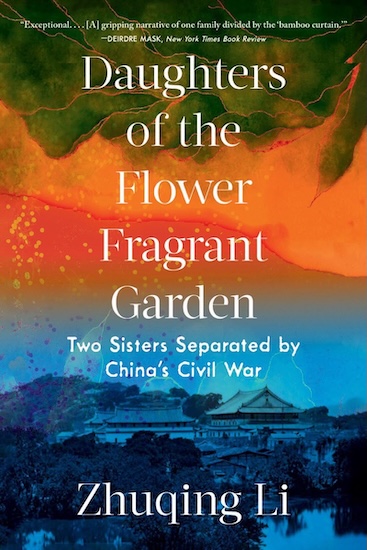
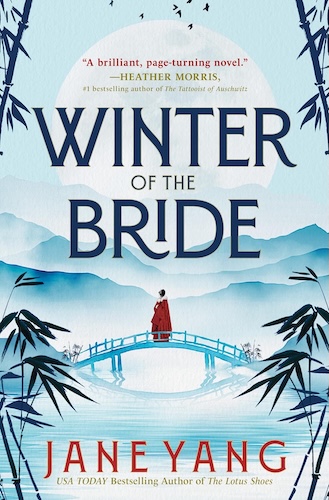
China is one of the world’s largest and most geographically diverse countries, stretching from the Himalayas and Tibetan Plateau to the eastern plains, major river valleys, deserts, and Pacific coast. Its civilization has developed over thousands of years, with a rich heritage of philosophy, art, architecture, calligraphy, cuisine, and traditional culture alongside some of the world’s most dynamic modern cities.
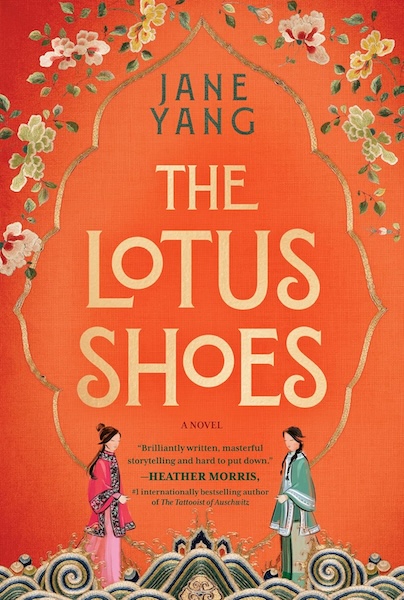
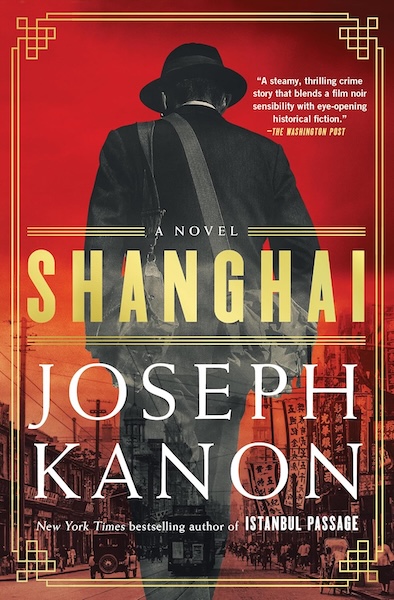
Chinese literature has one of the world’s longest continuous literary traditions, rooted in classical poetry, philosophy, historical writing, and storytelling. Major classical works include The Book of Songs, The Analects, and the great novels Dream of the Red Chamber and Journey to the West. Poetry has been particularly important, with figures such as Li Bai and Du Fu becoming central to the Chinese literary canon. In the 20th century, Lu Xun helped shape modern Chinese literature through his sharp criticism of traditional society and social injustice. Contemporary Chinese literature explores modernization, memory, political and social change, family, migration, and individual identity. Internationally known writers such as Mo Yan and Can Xue have brought very different perspectives on contemporary Chinese society to global readers.