Books from Côte d’Ivoire (Ivory Coast)
Suggest a book
All genres
Historical Fiction
Literary Fiction
Fantasy
Romance
Horror
Thriller
Non-Fiction
Mystery
Memoir
Classics
History
Sci-Fi
Contemporary Fiction
Science Fiction
Fiction
Poetry
Essays
Family Saga
Magical Realism
Family Drama
Dark Academia
Psychological Fiction
Dark Comedy
Political Writing
Feminist Fiction
Satire
Campus Fiction
Cultural Studies
Biography
Philosophy
Comedy
Drama
Young Adult
Gothic
Dystopia
Crime
Children's Books
Short Stories
Mythology
Cozy
Retellings
Humour
Adventure
All themes
Love & Passion
Adventure & Journey
Identity & Belonging
War & Conflict
Freedom & Resistance
Family & Heritage
Nature & Landscape
Society & Class
Spirituality & Faith
Solitude & Exile
Coming of Age
Revolution & Change
Friendship
History
Immigration
Myths and Retellings
Colonialism
Women & Society
Mental Health
Motherhood
1
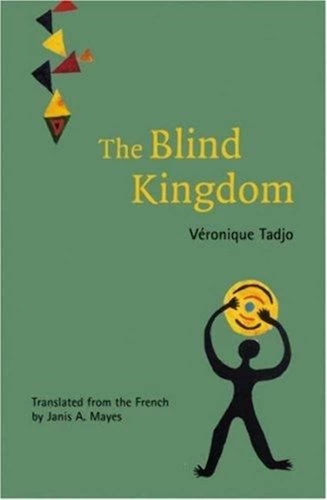
The Blind Kingdom
In The Blind Kingdom, Véronique Tadjo imagines a society thrown into chaos when a devastating natural disaster shakes the land and an epidemic of blindness takes hold. As the kingdom struggles to survive, its people face fear, uncertainty, and the collapse of the structures that once held their world together. Yet the crisis exposes more than physical suffering: it reveals the moral blindness of those in power and the indifference of a ruler who remains detached from the misery of his subjects.
At the centre of the story is a tyrannical king whose obsession with authority prevents him from recognising the suffering around him. His daughter, however, begins to question the kingdom’s injustice and becomes drawn to a man seeking to save the country from oppression. Through this allegorical tale, Tadjo explores dictatorship, social inequality, and the dangers of political leaders who refuse to see the realities faced by ordinary people.
Blending novelistic storytelling with poetic and symbolic elements, Tadjo creates a powerful reflection on a society approaching collapse. Although rooted in the political realities of Côte d’Ivoire and wider African experiences, the novel’s themes of authoritarianism, resistance, and collective responsibility resonate far beyond its setting.
1990