Côte d’Ivoire (Ivory Coast)
Africa
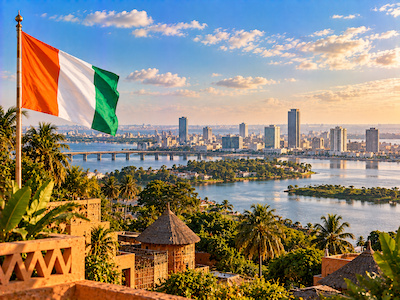
Côte d’Ivoire (Ivory Coast) lies on the Gulf of Guinea in West Africa, with landscapes ranging from tropical coastal lagoons and beaches to dense forests and northern savannas. Abidjan is the country’s largest city and an important cultural and economic center, while cities such as Yamoussoukro and Grand-Bassam reflect different aspects of its history and identity. The country is home to many cultural and linguistic communities, including Akan, Baoulé, Sénoufo, Dan, and others.
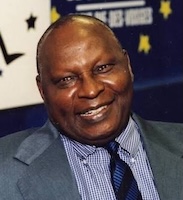
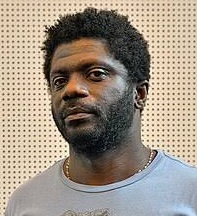
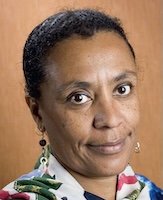
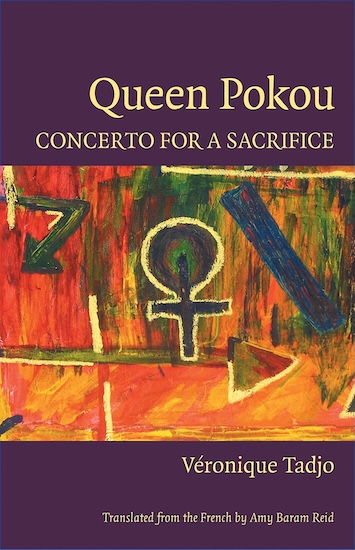
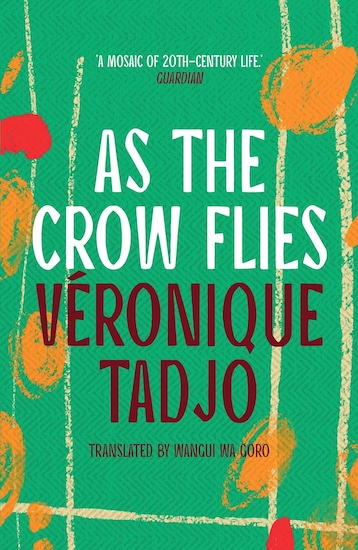
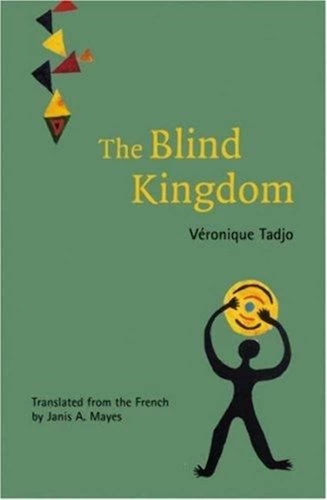
Ivorian literature is deeply connected to oral storytelling, folklore, proverbs, songs, and traditional histories. These traditions have preserved cultural knowledge across generations and continue to influence contemporary writers. French became the principal language of written literature during and after the colonial period, while local languages remain important to oral and cultural expression. Modern Ivorian literature has often explored colonialism, cultural identity, political change, social inequality, tradition and modernity, and the experience of urban life. Major writers include Bernard Dadié, one of the pioneers of modern African literature, Ahmadou Kourouma, whose Les Soleils des indépendances examines the aftermath of colonialism and political change, and Véronique Tadjo, whose writing explores memory, identity, history, and contemporary African society. Contemporary literature also increasingly engages with migration, gender, conflict, and the relationship between African traditions and global modernity.