Bahamas
North America
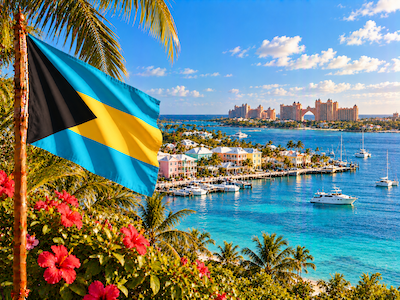
The Bahamas is an archipelago of more than 700 islands and cays scattered across the Atlantic Ocean, just southeast of Florida and north of Cuba. Famous for its extraordinary turquoise waters, coral reefs, white-sand beaches, and low-lying islands, the country has a culture shaped by African heritage, Caribbean traditions, British colonial history, and a deep connection to the sea. Nassau, on New Providence Island, is the country’s cultural and economic center, while smaller islands and settlements preserve strong traditions of fishing, boatbuilding, storytelling, music, and community life. The Bahamas became an independent nation in 1973, but its colonial history remains visible in its architecture, institutions, language, and cultural traditions.
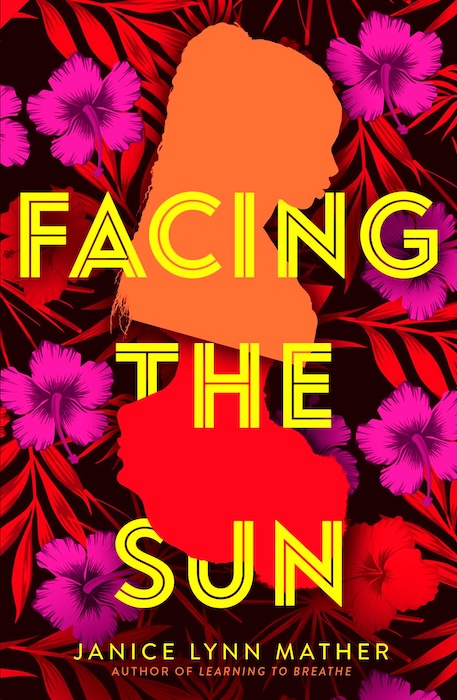
Bahamian literature is closely connected to island identity, African heritage, colonialism, migration, race, memory, and the relationship between people and the sea. Much of the literary tradition grew from oral storytelling, folklore, poetry, songs, and the preservation of local history within island communities. The sea is an especially powerful literary presence. It can represent freedom, isolation, migration, danger, livelihood, and connection to the wider world. At the same time, Bahamian writers have often questioned the image of the Caribbean as an uncomplicated tropical paradise, examining the histories of slavery, colonialism, racial inequality, and the economic effects of tourism. Contemporary Bahamian writing continues to explore diaspora, globalization, climate change, environmental vulnerability, identity, and the preservation of local culture. Its literature offers a perspective on the Caribbean that moves beyond the postcard image of beaches and turquoise water, revealing the complex histories and identities beneath the islands’ beauty.