Burkina Faso
Africa
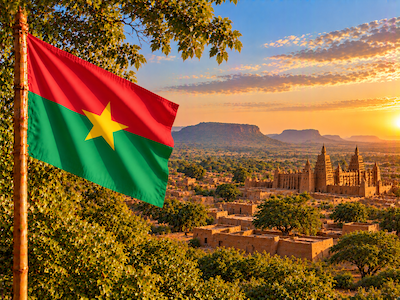
Burkina Faso is a landlocked country in West Africa, characterized by savanna landscapes, dry forests, seasonal rivers, and distinctive sandstone formations. Its population includes many cultural groups, particularly the Mossi, Fulani, Bobo, and Gourmantché, each with rich traditions of music, crafts, storytelling, and oral history.
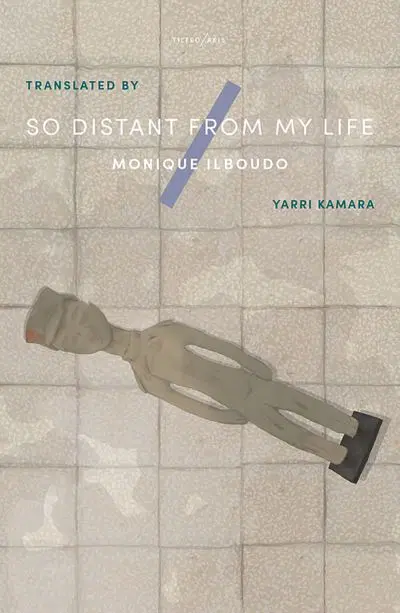
Burkinabè literature is deeply rooted in oral traditions, folklore, history, and community storytelling. Griots and storytellers have traditionally preserved genealogies, legends, historical events, and moral teachings through spoken performance. Modern literature developed largely through French, with writers exploring colonialism, independence, social inequality, political change, and cultural identity. Norbert Zongo, journalist and writer, became an important voice for social and political criticism, while Bernard Dadié—though Ivorian—also influenced the broader West African literary tradition. Contemporary Burkinabè writing continues to explore tradition and modernity, migration, identity, political instability, and the preservation of oral heritage.