Books from Bangladesh
Suggest a book
All genres
Historical Fiction
Literary Fiction
Fantasy
Romance
Horror
Thriller
Non-Fiction
Mystery
Memoir
Classics
History
Sci-Fi
Contemporary Fiction
Science Fiction
Fiction
Poetry
Essays
Family Saga
Magical Realism
Family Drama
Dark Academia
Psychological Fiction
Dark Comedy
Political Writing
Feminist Fiction
Satire
Campus Fiction
Cultural Studies
Biography
Philosophy
Comedy
Drama
Young Adult
Gothic
Dystopia
Crime
Children's Books
Short Stories
Mythology
Cozy
Retellings
Humour
Adventure
All themes
Love & Passion
Adventure & Journey
Identity & Belonging
War & Conflict
Freedom & Resistance
Family & Heritage
Nature & Landscape
Society & Class
Spirituality & Faith
Solitude & Exile
Coming of Age
Revolution & Change
Friendship
History
Immigration
Myths and Retellings
Colonialism
Women & Society
Mental Health
Motherhood
1
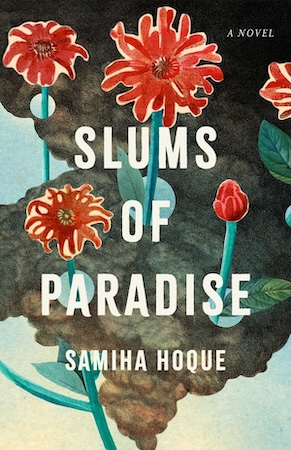
Slums of Paradise
In 1970s Sylhet, Bangladesh, eleven-year-old Sumaya grows up sheltered by her family’s wealth, while fifteen-year-old Murshed lives under the shadow of his father’s controversial political loyalties. As the Bangladesh Liberation War tears the country apart, a chance encounter binds their lives together in ways neither could imagine. Four decades later, their children, Hinna and Burhaan, meet at a family gathering. Raised in America, Hinna longs for independence from the traditions governing her future, while Burhaan struggles with the inherited stigma and resentment surrounding his family. Drawn to each other despite the forces working against them, they must confront the secrets, loyalties, and political wounds passed down through generations. Spanning two eras, Slums of Paradise explores how war reshapes families long after the fighting ends, questioning whether love can overcome the weight of history and whether a new generation can escape the mistakes of the past.
2026
2
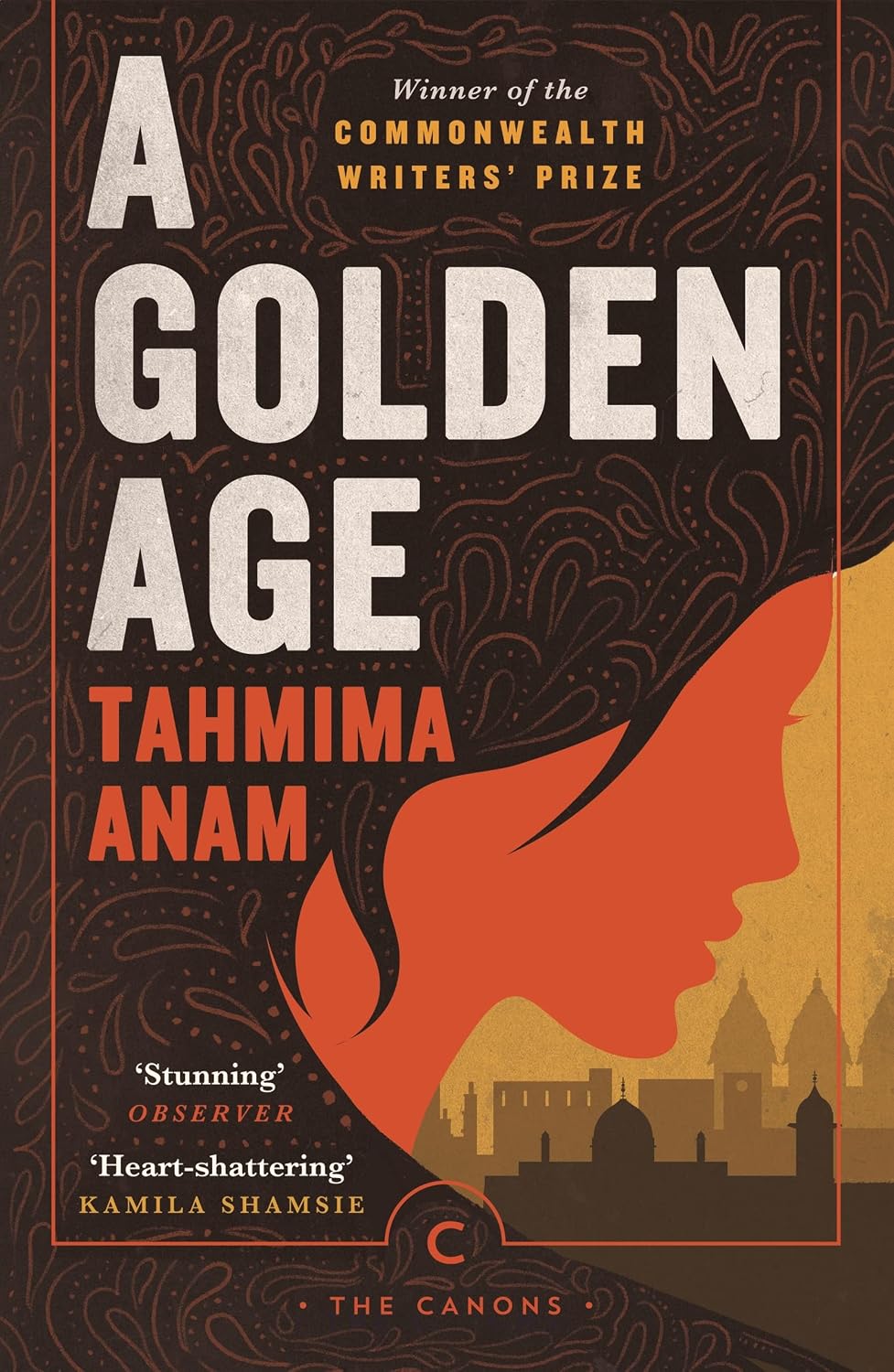
A Golden Age
Set during the Bangladesh Liberation War of 1971, A Golden Age follows Rehana Haque, a widowed mother living in Dhaka whose greatest priority is protecting her children. When her son and daughter become involved in the struggle for independence from Pakistan, Rehana finds herself drawn into a conflict that challenges her understanding of motherhood, loyalty, and sacrifice. Initially determined to keep her family safe, she gradually becomes involved in the resistance movement, using her home and personal resources to help those fighting for freedom. As violence escalates and ordinary life becomes increasingly dangerous, Rehana must confront the possibility that protecting her children may require supporting decisions she cannot fully control. Anam explores the intersection of private family life and national history, portraying how war transforms ordinary people and forces them to reconsider what they are willing to sacrifice for those they love.
2009