Books from Bosnia and Herzegovina
Suggest a book
All genres
Historical Fiction
Literary Fiction
Fantasy
Romance
Horror
Thriller
Non-Fiction
Mystery
Memoir
Classics
History
Sci-Fi
Contemporary Fiction
Science Fiction
Fiction
Poetry
Essays
Family Saga
Magical Realism
Family Drama
Dark Academia
Psychological Fiction
Dark Comedy
Political Writing
Feminist Fiction
Satire
Campus Fiction
Cultural Studies
Biography
Philosophy
Comedy
Drama
Young Adult
Gothic
Dystopia
Crime
Children's Books
Short Stories
Mythology
Cozy
Retellings
Humour
Adventure
All themes
Love & Passion
Adventure & Journey
Identity & Belonging
War & Conflict
Freedom & Resistance
Family & Heritage
Nature & Landscape
Society & Class
Spirituality & Faith
Solitude & Exile
Coming of Age
Revolution & Change
Friendship
History
Immigration
Myths and Retellings
Colonialism
Women & Society
Mental Health
Motherhood
1
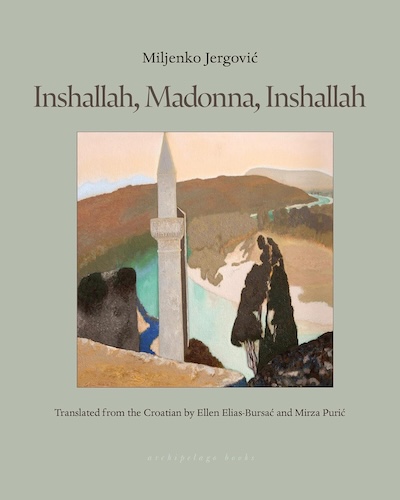
Inshallah, Madonna, Inshallah
In Inshallah, Madonna, Inshallah, Croatian-Bosnian writer Miljenko Jergović draws on the rich oral traditions, folk songs, and legends of Bosnia to create a collection of nineteen stories in which ordinary lives take on the dimensions of myth. Inspired by the music that filled the streets, cafés, and homes of Sarajevo during the author’s childhood, the stories imagine the extraordinary events and forgotten histories that might lie behind traditional songs.
Jergović’s characters inhabit a world where miracles seem possible, fate shapes human destinies, and misfortune can transform individuals into enduring legends. Christians and Muslims share a landscape marked by centuries of cultural exchange, imperial domination, and conflict. Their stories are sometimes comic, sometimes brutal, but always deeply connected to the collective memory of the region.
Moving between folklore, historical imagination, and intimate portraits of human experience, Jergović explores how communities preserve their identities through storytelling. The collection offers a vivid literary portrait of the Balkans, revealing how individual lives become part of a larger cultural inheritance that survives across generations.
2026
2
Catch the Rabbit
Catch the Rabbit follows Lejla and Sara, two women who grew up together in Bosnia but became estranged as their lives took different directions. Years later, Lejla calls Sara and asks her to help find Armin, Lejla’s brother, who disappeared after leaving the country. Sara returns from Ireland, where she has built a new life, and the two women embark on a road trip through the former Yugoslavia. Their journey brings back memories of childhood, friendship, and the divisions created by the breakup of their country. As old grievances surface, they must confront the ways their personal histories have been shaped by ethnic identity, political violence, and the stories they tell themselves. Bastašić explores memory, belonging, and the fragility of friendship, revealing how the past can continue to govern the present even when people believe they have escaped it.
2021
3
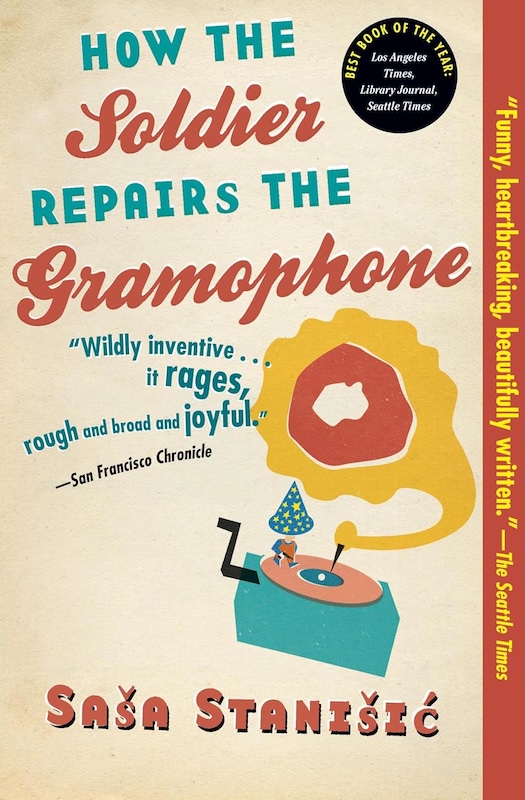
How The Soldier Repairs The Gramophone
Set during the Bosnian War and its aftermath, How the Soldier Repairs the Gramophone follows Aleksandar Krsmanović, a young boy growing up in the small Bosnian town of Višegrad. When war destroys the familiar world of his childhood, Aleksandar is forced to leave his home and seek refuge in Germany. Through his vivid imagination, memories, and storytelling, he attempts to make sense of violence, displacement, and the loss of people and places he once knew.
Blending humour, fantasy, and painful recollection, the novel captures the way a child experiences war without fully understanding its political and historical complexities. As Aleksandar grows older, storytelling becomes a way to preserve his past and reconnect with a homeland that has been irrevocably changed. Saša Stanišić’s novel explores memory, exile, identity, and the fragile boundary between lived experience and imagination.
2009