Books from Australia
Suggest a book
All genres
Historical Fiction
Literary Fiction
Fantasy
Romance
Horror
Thriller
Non-Fiction
Mystery
Memoir
Classics
History
Sci-Fi
Contemporary Fiction
Science Fiction
Fiction
Poetry
Essays
Family Saga
Magical Realism
Family Drama
Dark Academia
Psychological Fiction
Dark Comedy
Political Writing
Feminist Fiction
Satire
Campus Fiction
Cultural Studies
Biography
Philosophy
Comedy
Drama
Young Adult
Gothic
Dystopia
Crime
Children's Books
Short Stories
Mythology
Cozy
Retellings
Humour
Adventure
All themes
Love & Passion
Adventure & Journey
Identity & Belonging
War & Conflict
Freedom & Resistance
Family & Heritage
Nature & Landscape
Society & Class
Spirituality & Faith
Solitude & Exile
Coming of Age
Revolution & Change
Friendship
History
Immigration
Myths and Retellings
Colonialism
Women & Society
Mental Health
Motherhood
1
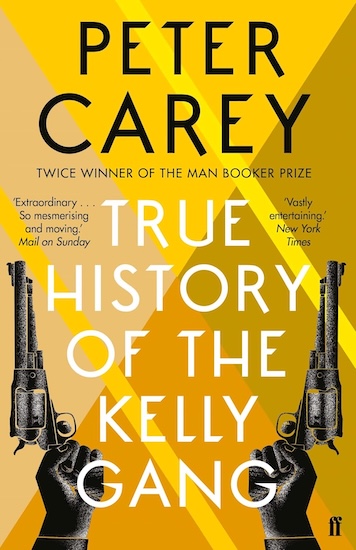
True History of the Kelly Gang
In True History of the Kelly Gang, Australian novelist Peter Carey reimagines the life of Ned Kelly, one of Australia’s most notorious historical outlaws, through a fictional autobiography written in Kelly’s own voice. Growing up in colonial Victoria during the nineteenth century, Ned experiences poverty, discrimination, and repeated confrontations with the authorities. His Irish family is treated with suspicion by the British colonial establishment, and his early encounters with the police help shape his growing resentment of a system he sees as unjust.
As Ned becomes a bushranger, he transforms from a struggling young man into a legendary outlaw whose exploits divide public opinion. To the authorities, he is a dangerous criminal; to some members of the impoverished colonial population, he represents resistance to oppression. Writing his account for the daughter he hopes will one day understand him, Ned attempts to reclaim his story from those who would define him as a villain.
Blending historical events with imaginative storytelling, Carey explores the relationship between truth and myth, the legacy of colonialism, and the ways poverty and injustice can shape a person’s destiny. Written in a distinctive vernacular style, the novel challenges readers to question who has the power to tell history and whose voices are remembered.
2000
2
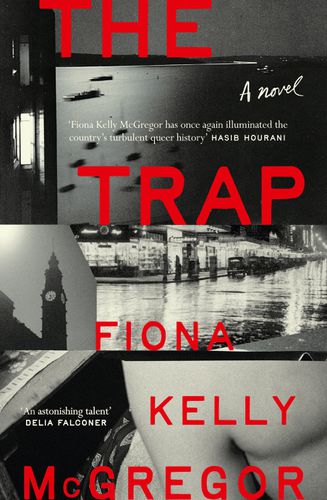
The Trap
Sydney, October 1942. As the Second World War transforms the city, blackouts, curfews, thriving black markets, and an influx of American servicemen create an atmosphere of opportunity and danger. Beneath the respectable surface of wartime society, nightclubs and underground bars offer refuge to people living outside conventional social norms. Among them is Ray Sayles, a nightclub manager whose encounter in the Domain, a public park in central Sydney, brings him to the attention of the police.
Detectives Thomas Carney and William Grigg are conducting a campaign against homosexual men, using entrapment in public toilets to manufacture arrests. As Ray becomes caught in their scheme, a scandal begins to expose the corruption and hypocrisy of those entrusted with upholding the law. Journalists, lawyers, and influential establishment figures become entangled in a struggle over truth, reputation, and justice.
Inspired by a real historical scandal, this compelling novel brings to life Sydney’s marginalised communities during wartime. Blending crime fiction with social history, McGregor examines institutional homophobia, police corruption, and the resilience of people forced to conceal their identities to survive. At its heart, The Trap asks who gets to define morality—and what happens when the law itself becomes an instrument of persecution.
2026